Categories
Health & Wellness Hearing Technology

Hearing Loss Apps: Innovations Shaping the Future

Transforming Hearing Loss Management: Exploring the Future of Hearing Loss Apps

The rapid pace of technological advancements is fundamentally reshaping the way we manage hearing loss. Each year, the future of hearing loss apps becomes more closely linked with cutting-edge technologies such as artificial intelligence, machine learning, and the Internet of Things (IoT). These innovations not only improve the functionality of applications but also create a more engaging and personalized experience for users, allowing them to take greater control over their hearing health.

Harnessing Artificial Intelligence for Personalized Hearing Solutions

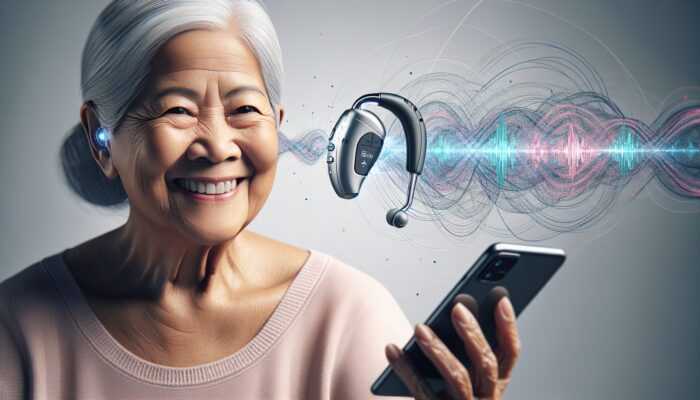
App interface adapting to ear with dynamic sound waves for personalized AI hearing solutions in different environments.

Picture an app that grows and adapts alongside you. The integration of artificial intelligence (AI) is paving the way for a revolutionary shift in the future of hearing loss apps. These advanced applications can analyze real-time audio data, enabling customized sound adjustments that reflect the user’s unique hearing profile. Instead of being limited to generic presets, the app can deliver personalized audio settings that dynamically adapt to various environments—whether you’re in a lively café or a serene library, ensuring an optimal listening experience.

Beyond sound customization, AI has the capability to anticipate when hearing aids may need maintenance, alerting users before any serious issues arise. This predictive maintenance helps prevent significant complications, ensuring users consistently enjoy the best possible auditory experiences. By leveraging the power of AI, these apps not only enhance user satisfaction but also accumulate valuable data that can be analyzed to uncover trends in hearing loss and the effectiveness of different hearing aids.

Globally, AI-driven applications can also serve as critical tools in providing hearing assistance across diverse settings. For example, an app designed to manage urban noise in Tokyo may have significantly different functionalities compared to one created for the tranquil landscapes of the Swiss Alps, demonstrating how AI technology can be effectively tailored to various geographical contexts and auditory challenges.

Seamless Integration with Wearable Devices for Enhanced User Control

In our increasingly interconnected world, wearable technology has become an essential part of everyday life, and its compatibility with hearing loss apps represents a substantial advancement in user experience. Users can now synchronize their hearing aids with smartwatches and other wearable devices, facilitating quick adjustments and controls while on the move. Imagine receiving real-time notifications about your hearing aid’s status on your wrist while jogging in Central Park or attending a concert in Sydney, all without needing to pull out your smartphone.

This convenience empowers users to modify settings effortlessly, fostering a greater sense of autonomy and ease of use in managing their hearing health. The compatibility of wearables encourages a more integrated lifestyle, inspiring users to engage more actively with their hearing health management journey.

Furthermore, as leading tech companies unveil new wearable technologies, the potential for the future of hearing loss apps to capitalize on these innovations expands. For instance, smart glasses equipped with augmented reality could provide users with real-time sound visualizations, enhancing their interaction with the auditory world and making it easier to navigate complex soundscapes.

Augmented Reality Innovations for Enhanced Sound Navigation

Augmented reality (AR) is revolutionizing the way users perceive their sound environments. By integrating AR features, the future of hearing loss apps will empower users to visualize their auditory landscapes, making it simpler to identify the sources of sounds around them. This groundbreaking technology can significantly enhance the navigation of complex auditory environments, like crowded marketplaces or busy airports, by visually indicating where sounds originate, enhancing situational awareness.

Envision walking through a bustling street in São Paulo, equipped with an app that overlays visual cues on your mobile screen, guiding your attention to critical sounds, such as approaching vehicles or nearby conversations. This innovation can greatly enhance safety and confidence, enabling users to navigate urban settings with greater ease and awareness, ultimately enriching their overall auditory experience.

Additionally, AR capabilities could offer substantial support in social environments where comprehending speech is vital. By providing visual transcriptions of spoken dialogue, users can engage fully in conversations, whether during family events or professional meetings. The integration of AR into hearing loss apps not only enhances the user experience but also redefines the very nature of interacting with sound and communication.

Enhancing User Experience with Internet of Things Connectivity

The Internet of Things (IoT) is transforming our interaction with technology, and its integration into hearing loss apps is set to significantly elevate user experiences. Picture a scenario in which your hearing aids seamlessly communicate with your smart home devices. When you settle down to watch a movie, your hearing aids automatically adjust to the ideal settings for sound clarity, while your smart home assistant optimizes ambient noise levels, crafting the perfect listening environment.

This degree of automation simplifies the user experience, allowing individuals with hearing loss to enjoy activities that many take for granted. Simple tasks such as adjusting a smart speaker’s volume or ensuring that the doorbell is heard can be effortlessly managed through these interconnected systems, making everyday life more accessible and enjoyable.

The potential for the future of hearing loss apps to create a holistic auditory experience is vast. As smart home technology continues to spread globally, users from various cultures will reap the benefits of enhanced connectivity, allowing them to tailor their sound experiences to their unique lifestyles and environments, ultimately improving their quality of life.

Leveraging Machine Learning for Dynamic Hearing Adjustments

Machine learning (ML) is emerging as a transformative force in the field of hearing loss management. By analyzing user data over time, ML algorithms can fine-tune hearing aid settings to adapt to evolving hearing needs. This continuous learning process enables apps to make nuanced adjustments based on user behavior and preferences, significantly enhancing overall performance.

For example, if a user frequently modifies their hearing aid settings to compensate for background noise in a lively café, the app can learn this behavior and automatically adjust settings in similar environments in the future. This capability not only enriches the user experience but also empowers users, providing them with a greater sense of control over their hearing capabilities.

Moreover, the data collected through machine learning can contribute to broader research initiatives, yielding insights into global trends in hearing loss and the effectiveness of varying solutions. This collaborative approach can lead to innovations that benefit a diverse array of users, from those living in urban centers to residents of rural areas worldwide.

Enhancing User Experience: The Cornerstone of Future Hearing Loss Apps

User experience stands at the forefront of developing the future of hearing loss apps. As technology advances, the significance of creating intuitive, accessible, and captivating user interfaces continues to escalate. Developers are focusing on features that cater to users of all ages and technical backgrounds, ensuring that everyone can fully benefit from these advancements.

Creating Intuitive Interface Designs for All Users

The design of an app’s interface directly impacts user engagement and satisfaction. By prioritizing intuitive interface design, developers can create applications that emphasize simplicity and accessibility, allowing users—regardless of their age or technological expertise—to navigate effortlessly. With a clean interface, recognizable icons, and clear navigation paths, users can quickly locate the features they need without frustration.

For instance, users can easily adjust sound settings with a simple swipe or tap, making the app approachable and user-friendly. This is particularly crucial for older adults, who may feel overwhelmed by complex technology. By focusing on ease of use, developers can demystify the process of hearing loss management, making it less intimidating for those new to these technologies.

Additionally, gathering feedback from users is vital for developing an effective interface. Continuous improvement based on user experiences ensures that apps remain relevant and beneficial, fostering user loyalty and encouraging regular engagement with the application.

Empowering Users Through Customizable Settings

Personalization is essential for boosting satisfaction with the future of hearing loss apps. Users have diverse hearing needs shaped by their environments, lifestyles, and personal preferences. Consequently, apps must allow extensive customization of sound settings to address individual requirements.

Imagine a user who prefers enhanced treble while enjoying music but seeks a balanced sound profile for conversations. Customizable settings empower users to tailor their auditory experiences, significantly enhancing their quality of life. These options can encompass adjustable equalizers, noise reduction features, and environmental presets for various scenarios.

By offering these personalized settings, hearing loss apps also foster a sense of ownership among users. They can experiment with different configurations to discover what works best for them, contributing to a more positive relationship with their hearing aids and their overall hearing health.

Fostering Inclusivity with Multilingual Support

An inclusive approach to app development necessitates offering multilingual support. Since hearing loss affects individuals around the world, providing resources in multiple languages is crucial for ensuring accessibility. This feature allows users from diverse linguistic backgrounds to engage fully with the app, comprehending its functionalities and benefits.

In a world where communication is essential, multilingual options can bridge gaps and nurture a sense of belonging. A user in Mumbai can access the same resources as someone in New York, creating a global community united by a shared experience. This inclusivity not only enhances user satisfaction but also drives the app’s reach and impact, making it an indispensable tool for managing hearing loss across the globe.

Integrating Health and Wellness into Hearing Loss Apps

As users increasingly seek holistic approaches to health, the incorporation of wellness features in the future of hearing loss apps is gaining importance. These applications are evolving beyond basic hearing aid management to encompass broader health considerations, including mental and physical well-being.

Proactive Hearing Health Monitoring for Early Detection

Monitoring one’s hearing health over time is crucial for early detection of potential issues. Advanced hearing loss apps now include features that track auditory changes, providing users with valuable insights into their hearing health. By regularly evaluating their hearing status, users can identify patterns or shifts that may warrant a professional evaluation.

Imagine receiving timely notifications reminding you to schedule a check-up based on your app’s data analysis. This proactive approach empowers users to take charge of their hearing health, decreasing the likelihood of complications and fostering a more informed relationship with their healthcare providers.

Moreover, these monitoring features can gather data for research purposes, contributing to a collective understanding of global hearing loss trends. As more users engage with these tools, the potential for large-scale studies increases, ultimately benefiting the community at large and advancing the field of hearing health.

Addressing Mental Health in Hearing Loss Management

The psychological impact of hearing loss can be significant, often leading to feelings of isolation and anxiety. Recognizing this, the future of hearing loss apps is beginning to incorporate mental health resources and support systems. These features may include access to counseling services, meditation guides, or community forums where users can share their experiences and coping strategies.

By acknowledging the emotional aspects of hearing loss, these apps can provide a more comprehensive support network for users. For example, a user may find comfort in reading success stories from others who have faced similar challenges, fostering a sense of belonging and hope within the community.

Additionally, the integration of mental health resources encourages users to adopt a holistic view of their hearing health, recognizing that emotional well-being is closely linked to physical health.

Promoting Physical Activity for Overall Well-Being

Maintaining an active lifestyle is vital for overall health and can positively influence auditory function. Hearing loss apps are increasingly integrating physical activity tracking features, motivating users to stay active. This integration not only supports general fitness but also raises awareness of how physical health impacts hearing.

For instance, an app might send reminders to take breaks for physical activity throughout the day, linking these prompts to benefits for auditory health. By cultivating a culture of wellness, users are more likely to engage in activities that support both their hearing and overall well-being.

Furthermore, the app can connect with fitness wearables, allowing users to monitor their activity levels and receive tailored recommendations based on their individual health objectives. This comprehensive approach to health management empowers users to take control of their well-being, acknowledging the interconnectedness of physical activity and hearing health.

Nutritional Recommendations for Optimal Hearing Health

Nutritional choices play a significant role in auditory function, and hearing loss apps are starting to provide dietary recommendations aimed at supporting hearing health. Foods abundant in antioxidants, omega-3 fatty acids, and vitamins A, C, and E are crucial for maintaining auditory function.

Imagine receiving daily reminders to incorporate foods such as leafy greens, fish, and nuts into your diet, along with enjoyable recipes to make healthy eating appealing. By offering users actionable insights into their nutrition, apps can help optimize their diets for improved hearing health.

Additionally, these features can provide educational resources regarding the connection between diet and hearing loss. Users who grasp how dietary choices affect their auditory function are more likely to make informed decisions, ultimately contributing to their overall health and well-being.

Enhancing Sleep Quality for Improved Hearing Health

Quality sleep is essential for overall well-being, and adequate rest can have a positive impact on hearing health. Hearing loss apps are beginning to integrate features that promote better sleep hygiene, offering tips and tools for users to enhance their sleep quality.

For example, users may receive personalized sleep recommendations based on their hearing profiles, such as soundscapes that mask background noise or calming melodies to facilitate relaxation. Apps may also include sleep tracking functionalities to analyze patterns, helping users identify elements that may affect their rest.

By emphasizing the significance of sleep, hearing loss apps can support a holistic approach to health management. Users who prioritize their sleep are more likely to experience improved auditory function and overall health, creating a positive feedback loop of wellness.

Ensuring Accessibility and Inclusivity in Hearing Loss Apps

Creating an inclusive environment is essential for the future of hearing loss apps. Accessibility features and supportive resources ensure that users from various backgrounds and financial situations can benefit from these innovations, making hearing health management more equitable.

Providing Affordable Options for Hearing Health Management

One of the most significant barriers to accessing hearing loss management tools is cost. To overcome this challenge, many developers are prioritizing the creation of free or low-cost apps that still deliver valuable resources. By doing so, they are enhancing accessibility for users with diverse financial situations, empowering them to take control of their hearing health.

For example, a free app might offer educational resources, basic hearing tests, and community support features, providing users with essential tools without the financial burden. This democratization of technology ensures that everyone can access the support they need, irrespective of their income.

Moreover, as more users engage with these affordable options, developers can gather insights to enhance the app further. This iterative process allows for continuous improvement, benefiting users worldwide and ensuring that hearing health resources are universally accessible.

Empowering Users with Educational Resources

Education serves as a powerful tool for empowerment. Hearing loss apps that provide educational materials about the condition can help users understand and manage their hearing loss more effectively. These resources may encompass articles, videos, and interactive elements that demystify hearing health.

Users who are informed about their condition are better equipped to make decisions regarding their hearing management. For example, understanding the ramifications of untreated hearing loss can motivate individuals to seek professional help sooner, ultimately improving their quality of life.

Furthermore, educational resources can encourage community engagement. Users can share knowledge and experiences, creating a supportive environment where individuals feel less isolated. The exchange of stories and strategies can inspire others to actively manage their hearing health and seek solutions.

Building Community Connections for Support

Fostering a sense of community is crucial in addressing the challenges of hearing loss. Features that connect users with similar experiences can encourage support and solidarity, creating a network of individuals who understand one another’s struggles and triumphs.

For instance, forums or chat functionalities within the app can enable users to share tips, experiences, and encouragement. This camaraderie can help combat feelings of isolation, allowing users to draw strength from shared experiences and collective wisdom.

In a global context, community features can connect individuals from various backgrounds, promoting cultural exchange and learning. Users in different countries can share insights about local resources, services, and coping strategies, enriching the overall experience of the app and fostering a sense of global solidarity.

Enhancing Inclusivity Through Multilingual Support

Offering multilingual support is a fundamental aspect of inclusivity. Hearing loss apps that provide resources in multiple languages can reach a broader audience, ensuring that users from diverse linguistic backgrounds fully understand how to utilize the app’s features and benefits.

This commitment to inclusivity enhances user satisfaction and engagement, as individuals can navigate the app comfortably in their native languages. By bridging language barriers, developers can cultivate a global community dedicated to improving hearing health for all.

Additionally, multilingual resources can facilitate educational initiatives, assisting users in learning more about hearing loss in a language they comprehend. The outcome is a more empowered and informed user base, equipped to manage their hearing health effectively and confidently.

Prioritizing Data Privacy and Security in Hearing Loss Apps

As hearing loss apps manage sensitive user data, prioritizing privacy and security is paramount. Users must feel confident that their information is protected, fostering trust and encouraging active engagement with the app.

Robust User Data Protection Measures

Data protection stands as a critical priority for the future of hearing loss apps. Developers must implement strong security measures to safeguard users’ personal health information. This includes secure storage solutions, encryption, and regular audits to ensure compliance with data protection standards.

Users should be informed about the measures in place to protect their data, from the initial sign-up process to ongoing usage. This transparency builds trust, encouraging users to share information that can enhance their experience and improve app functionalities.

Moreover, protecting user data goes beyond mere compliance; it reflects a commitment to ethical practices. By prioritizing user privacy, developers create a secure environment that promotes responsible engagement and fosters a culture of respect within the user community.

Establishing Transparent Privacy Policies

Clear communication regarding data usage is vital for building trust with users. Transparent privacy policies clarify what data is collected, how it is stored, and the purpose behind its collection. Users should feel empowered to make informed decisions about their data sharing practices.

A straightforward, easily understandable privacy policy can alleviate concerns and strengthen confidence in the app. Users who trust that their information is handled responsibly are more likely to engage fully with the app and its features.

Furthermore, ongoing communication about updates to privacy policies can keep users informed and engaged. Transparency should be a continuous effort, ensuring that users feel valued and respected throughout their experience with the app.

Compliance with Data Protection Regulations

Adhering to health data protection laws is non-negotiable for developers of hearing loss apps. Compliance with regulations such as the Health Insurance Portability and Accountability Act (HIPAA) in the United States or the General Data Protection Regulation (GDPR) in Europe ensures that user rights are respected and upheld.

By prioritizing compliance, developers not only protect users but also enhance their credibility in the marketplace. Users can feel assured that their information is treated with the utmost care and responsibility, fostering a positive relationship with the app and its developers.

Moreover, compliance can open doors for partnerships with healthcare providers and institutions, expanding the app’s reach and impact. As users become increasingly aware of data privacy issues, adherence to regulations can set developers apart in the competitive landscape of hearing health technologies.

Implementing Encryption and Data Anonymization Techniques

To further bolster user privacy, hearing loss apps must employ encryption techniques to protect data both in transit and at rest. Encryption ensures that sensitive information remains secure, even if intercepted by malicious actors.

Additionally, data anonymization can mitigate risks associated with data breaches. By removing identifiable information, developers can protect user privacy while still gathering valuable insights for improving app features. This approach nurtures a culture of security and trust, encouraging users to engage proactively with the app and its benefits.

In an era where data breaches are increasingly prevalent, implementing robust security measures is essential for safeguarding user trust. By prioritizing encryption and anonymization, developers can create a secure environment that encourages users to fully embrace the advantages of these innovative tools designed to support hearing health.

Anticipating Future Trends and Innovations in Hearing Loss Apps

Looking ahead, the future of hearing loss apps is brimming with promise, with several key trends and predictions poised to shape the landscape. These innovations have the potential to revolutionize how users interact with their hearing health management tools, making them more effective and user-friendly.

Smart Home Integration for Enhanced Hearing Experiences

The integration of hearing loss apps with smart home technology is an exciting trend that will significantly enhance user experiences. As smart home devices become more ubiquitous, hearing aids will increasingly connect with these systems, allowing users to effortlessly adjust their auditory settings.

Imagine arriving home and having your hearing aids automatically adjust based on ambient noise levels, ensuring optimal clarity while watching television or listening to music. This level of integration creates a seamless auditory environment, enhancing the quality of life for users by making everyday activities more enjoyable and accessible.

As smart home technology advances, the potential for the future of hearing loss apps to capitalize on these developments will expand. From interacting with smart speakers to adjusting sound settings in real time, users will benefit from a more personalized auditory experience that aligns with their lifestyle needs.

Utilizing Predictive Analytics for Proactive Hearing Management

The introduction of predictive analytics in hearing loss apps will facilitate more effective prevention and management strategies. By analyzing data trends, future applications will be able to forecast and prevent hearing deterioration with greater accuracy.

Imagine receiving proactive alerts based on your usage patterns, prompting you to seek professional assistance before issues escalate. This forward-thinking approach encourages users to take a proactive stance on their hearing health, ultimately leading to improved long-term outcomes and a better quality of life.

Moreover, insights gained through predictive analytics can contribute to broader research initiatives, providing valuable data on hearing loss trends and effective solutions. This collaborative approach can drive innovation and improve the overall effectiveness of hearing loss management tools, benefiting users on a global scale.

Collaborative Research Enhancing App Development

The future of hearing loss apps will also benefit from ongoing partnerships between developers and audiologists. Collaborative research efforts can drive continuous app improvement, ensuring that features align with best practices in hearing health management.

By working closely with audiologists, developers can gain invaluable insights into user needs and preferences, informing feature development and enhancements. This evidence-based approach ensures that apps remain relevant and effective, ultimately benefiting users around the world.

Additionally, these collaborations can foster a sense of community among users and professionals, creating a support network that enhances the overall user experience. By prioritizing collaboration, the future of hearing loss apps promises to deliver innovative solutions that empower users to take control of their hearing health effectively and confidently.

Frequently Asked Questions about Hearing Loss Apps

What exactly are hearing loss apps?

Hearing loss apps are mobile applications designed to assist individuals with hearing loss by providing tools for sound adjustment, monitoring hearing health, and offering educational resources tailored to enhance the user experience.

In what ways can AI enhance hearing loss apps?

AI enhances hearing loss apps by enabling personalized sound adjustments, predicting maintenance needs for hearing aids, and analyzing user data for continuous improvement, ultimately leading to a better user experience.

Are there any free hearing loss apps available?

Yes, many hearing loss apps offer free or low-cost options, providing users with essential tools and resources without imposing financial barriers, making hearing health management accessible to all.

Can hearing loss apps assist with mental health?

Some hearing loss apps include features that address mental health by providing support resources, community forums, and educational materials focused on the psychological impact of hearing loss, promoting emotional well-being.

How do hearing loss apps ensure data privacy?

Hearing loss apps prioritize data privacy through secure storage, encryption, transparent privacy policies, and compliance with health data protection regulations, ensuring users feel safe sharing their information.

What role does machine learning play in hearing loss apps?

Machine learning allows hearing loss apps to analyze user data and optimize settings based on individual preferences and changing hearing needs, enhancing user experiences and ensuring tailored support.

Can hearing loss apps track physical activity?

Yes, many hearing loss apps now integrate physical activity tracking features to encourage users to maintain an active lifestyle, which can have positive effects on overall health and well-being.

Are hearing loss apps available in multiple languages?

Yes, numerous hearing loss apps offer multilingual support, ensuring accessibility for users from diverse linguistic backgrounds and allowing them to fully engage with the app’s functionalities.

How will smart home integration affect hearing loss apps?

Smart home integration will enable hearing loss apps to interact with various devices, allowing for seamless adjustments to sound settings based on the user’s environment, ultimately enhancing their auditory experience.

What does the future hold for hearing loss apps?

The future of hearing loss apps includes advancements in AI, machine learning, smart home integration, and collaborative research, leading to more personalized and effective tools for managing hearing health.

Join us on our journey on X!

The post Hearing Loss Apps: Innovations Shaping the Future appeared first on The Microsuction Ear Wax Removal Network.

Categories
Ear Health Health & Wellness

Ear Sensitivity Variations: Key Factors Explained

Understanding the Genetic Factors Behind Variations in Ear Sensitivity Among Individuals

Genetics plays a pivotal role in shaping our auditory experiences, particularly in how we perceive and respond to sounds in our environment. The complex interplay of inherited traits, genetic mutations, and the rich diversity within the human genome significantly influences the variations in ear sensitivity observed across individuals. By delving into these genetic factors, we can discern why some people are exceptionally attuned to sounds while others may find themselves struggling with auditory stimuli that seem entirely normal to most.

Exploring Inherited Traits and Their Impact on Auditory Perception

Family portrait showcasing diverse ear shapes and sound waves, illustrating inherited auditory traits.

Families often exhibit shared traits that extend beyond mere physical characteristics, including how they perceive and process sound. Numerous scientific studies have demonstrated that specific inherited traits can profoundly affect an individual’s auditory perception. For example, variations in the shape of the outer ear, the configuration of the ear canal, and even the properties of the eardrum can all be influenced by genetic factors. Consequently, if your parents exhibited heightened sensitivity to particular sound frequencies, you may find that you share similar auditory sensitivities.

Over generations, the transmission of genetic traits related to ear sensitivity has created a lineage of auditory perception. For instance, in communities where music holds cultural significance, such as certain West African societies, individuals may develop a keen sensitivity to rhythmic sounds—a trait likely passed down through generations. Similarly, families with histories of hearing impairments may exhibit increased sensitivity to certain auditory stimuli, which can greatly impact their overall sound perception and enjoyment of auditory experiences.

Understanding the Role of Genetic Mutations in Auditory Sensitivity

While inherited traits lay the groundwork for auditory sensitivity, genetic mutations introduce a dramatic layer of complexity. Research has pinpointed specific gene mutations that are directly associated with auditory functions, leading to either enhanced or reduced sound perception. For example, mutations in the GJB2 gene, responsible for encoding a protein crucial for hearing, can result in various levels of hearing loss or abnormal sensitivity to sound.

These mutations can disrupt the normal functioning of hair cells within the cochlea, which are essential for converting sound waves into nerve impulses. Individuals who carry these mutations may experience a broad range of auditory experiences, from increased sensitivity to certain frequencies to challenges in distinguishing sounds amid background noise. This genetic diversity underscores the intricate nature of sound perception, highlighting that each person’s auditory experience is uniquely shaped by their genetic heritage.

The Impact of Genetic Diversity on Auditory Sensitivity Across Populations

The vast genetic diversity present among populations around the world adds another layer of complexity to our understanding of ear sensitivity variations. Genetic diversity refers to the variety of genetic characteristics found within a species, and this diversity can lead to significant differences in how individuals process sounds.

For example, research indicates that certain ethnic groups may possess genetic predispositions that impact their auditory processing abilities, such as enhanced sensitivity to specific sound frequencies or lower thresholds for discomfort in loud settings. This genetic diversity is also reflected in cultural interactions with sound—some groups thrive in rich musical environments, while others may develop heightened sensitivity to environmental noises, shaped by unique genetic backgrounds and experiences.

Exploring Epigenetic Influences on Ear Sensitivity

The fascinating field of epigenetics introduces yet another dimension to our understanding of ear sensitivity. Unlike genetic mutations that alter the DNA sequence itself, epigenetic changes modify gene expression without altering the underlying genetic code. Environmental factors, including exposure to loud sounds, stress, or even nutritional choices, can lead to epigenetic modifications that influence auditory sensitivity.

For instance, studies indicate that chronic exposure to high noise levels can induce epigenetic changes in genes linked to hearing. These modifications might result in heightened sensitivity or increased vulnerability to hearing loss over time. The epigenetic landscape is shaped by the dynamic relationship between genes and environmental influences, making it a critical factor in understanding the wide-ranging variations in ear sensitivity observed among individuals across the globe.

Age-Related Changes in Ear Sensitivity and Their Effects on Auditory Perception

As individuals progress through life, the ability to perceive and respond to sound naturally evolves. Age-related changes significantly influence ear sensitivity, shaping how individuals experience sounds throughout various stages of life. This phenomenon is universal and reflects the dynamic nature of auditory perception, illustrating how age can profoundly affect our sensory experiences.

The Natural Aging Process and Its Impact on Auditory Function

The natural aging process introduces a multitude of changes within the body, impacting the auditory system as well. As people age, both structural and functional alterations in the ear can significantly affect sensitivity to sound. For example, the eardrum may thicken and become stiffer, resulting in reduced sound transmission and overall auditory perception.

Moreover, the cochlea may experience a loss of hair cells, which are critical for detecting sound waves. These physiological changes can lead to a gradual decline in hearing ability, affecting an individual’s overall sensitivity to sound. For many elderly individuals, this decline may manifest as difficulty understanding speech in noisy environments or an increased reliance on raising the volume of media. Recognizing this natural decline in auditory function emphasizes the importance of understanding how age influences our sensory experiences.

The Effects of Presbycusis on Auditory Sensitivity

Presbycusis, or age-related hearing loss, is a common condition affecting millions of individuals globally. This type of hearing loss typically begins subtly, gradually progressing over time and leading to notable alterations in ear sensitivity. Individuals may discover that high-frequency sounds become increasingly challenging to hear, while their ability to perceive lower-frequency sounds remains relatively intact.

As the auditory system ages, it may also struggle to process complex auditory environments, making it difficult to follow conversations in social situations. This decline can significantly impact an individual’s quality of life, underscoring the necessity for awareness and proactive measures to safeguard hearing health as one ages. Addressing these age-related changes in auditory perception can enhance individuals’ overall well-being and enrich their auditory experiences.

Understanding Ear Sensitivity Across Different Developmental Stages

Ear sensitivity can vary considerably across different developmental stages. For instance, infants are born with a functional but still maturing auditory system. Their sensitivity to sound can change rapidly during the initial years of life as their auditory pathways develop. This early stage is critical for language acquisition, as babies learn to differentiate between various sounds and vocalizations.

In contrast, teenagers often experience fluctuations in sensitivity due to hormonal changes and lifestyle factors, such as exposure to loud music and electronic devices. Understanding these developmental variations is essential for parents and educators, as it allows them to create environments that support healthy auditory development and ensure that children and adolescents can thrive in their auditory experiences.

The Impact of Environmental Factors on Ear Sensitivity

The environment we live in plays a crucial role in shaping our auditory experiences. From urban noise pollution to occupational sound exposure, various environmental factors can significantly influence ear sensitivity, leading to marked differences in how individuals perceive sound across the globe.

The Effects of Noise Exposure on Auditory Sensitivity

Living in a noisy environment can have profound implications for ear sensitivity. Regular exposure to loud sounds—whether from traffic, construction sites, or entertainment venues—can lead to both acute and chronic auditory issues. Prolonged exposure to high decibel levels can result in noise-induced hearing loss, which can permanently alter one’s sensitivity to sound.

This impact is especially pronounced in urban areas, where noise pollution remains a persistent challenge. Individuals employed in industries characterized by high noise levels, such as construction and music production, may experience heightened sensitivity or discomfort due to their constant exposure to sound. Recognizing these risks and implementing protective measures, such as wearing earplugs or seeking quieter environments, can help mitigate the adverse effects of noise exposure on ear sensitivity.

Understanding Occupational Hazards and Their Influence on Ear Sensitivity

Certain occupations inherently involve exposure to excessive noise, leading to an increased risk of altered ear sensitivity. Industries such as manufacturing, construction, and entertainment often expose workers to sounds that exceed safe levels, resulting in both temporary and permanent changes in auditory perception.

For example, musicians frequently encounter loud music, which can lead to heightened sensitivity or even conditions like tinnitus. Awareness of these occupational hazards is vital for both employers and employees, as implementing protective measures—such as regular hearing assessments and the use of hearing protection—can significantly reduce risks and help preserve auditory health.

The Role of Lifestyle Choices in Shaping Ear Sensitivity

Lifestyle choices have a profound impact on ear sensitivity, particularly regarding how individuals engage with audio experiences. Regularly attending loud concerts, using headphones at high volumes, or frequently participating in activities involving loud noises can lead to increased sensitivity to sound or even hearing loss over time.

Younger generations, heavily influenced by technology, often listen to music through personal audio devices without being fully aware of the potential risks. This behavior can gradually lower their auditory thresholds, impacting their overall sensitivity to sounds. Educating individuals about safe listening practices and encouraging healthy lifestyle choices can play a pivotal role in preserving auditory health, allowing for a more enjoyable interaction with sound.

The Detrimental Effects of Environmental Pollution on Hearing Sensitivity

Exposure to environmental pollutants, including chemicals and heavy metals, can have harmful effects on the auditory system. Studies have indicated that certain pollutants may lead to auditory dysfunction, increasing individuals’ susceptibility to ear sensitivity issues.

For instance, lead exposure has been associated with hearing loss, particularly among children. As populations around the world grapple with the effects of pollution, understanding the connection between environmental toxins and ear sensitivity becomes increasingly crucial. Advocacy for cleaner environments and improved public health can significantly contribute to better auditory health for individuals living in affected areas.

The Influence of Altitude and Pressure Changes on Ear Sensitivity

Altitude and pressure changes can also substantially affect ear sensitivity, particularly during activities such as flying or diving. The Eustachian tube plays a key role in regulating pressure within the middle ear, and rapid changes in altitude can lead to discomfort or altered sensitivity to sound.

Individuals may experience pressure, popping, or pain in their ears when ascending or descending, which can hinder their ability to perceive sound accurately. Understanding these physiological responses is essential for travelers and adventurers, as preparation and awareness can help alleviate discomfort and enhance auditory experiences during altitude changes.

Health Conditions That Impact Ear Sensitivity

Various health conditions can significantly influence ear sensitivity, affecting how individuals perceive and react to sound. From infections to chronic diseases, the relationship between overall health and auditory perception is a vital area of research in understanding the complexities behind variations in ear sensitivity.

The Impact of Ear Infections on Auditory Sensitivity

Ear infections are a common health issue that can temporarily or permanently alter ear sensitivity. Conditions like otitis media can lead to fluid accumulation in the middle ear, impairing sound transmission and overall auditory perception.

Individuals with recurrent ear infections may notice fluctuations in their hearing abilities, resulting in heightened sensitivity to specific frequencies or challenges in understanding speech. These infections can also lead to long-term changes in the auditory system, emphasizing the importance of prompt and effective treatment to minimize their impact on hearing health and overall auditory experiences.

The Relationship Between Chronic Diseases and Auditory Sensitivity

Chronic diseases, including diabetes and cardiovascular conditions, can significantly impact ear sensitivity. Research indicates that individuals with diabetes are at an elevated risk for hearing loss, with potential mechanisms tied to poor blood circulation and nerve damage.

Chronic health issues can lead to systemic complications that affect overall auditory health, influencing how sound is perceived and processed. Addressing these chronic conditions through lifestyle adjustments, medication, and routine health check-ups can contribute to preserving ear sensitivity and enhancing the quality of life for individuals grappling with these challenges.

Understanding the Influence of Neurological Disorders on Ear Sensitivity

Neurological disorders profoundly affect auditory processing, influencing how individuals experience sound. Conditions such as multiple sclerosis, Parkinson’s disease, and various auditory processing disorders can significantly alter sensitivity to auditory stimuli.

These disorders may disrupt the auditory pathways within the brain, resulting in difficulties with sound discrimination, heightened sensitivity, or even auditory hallucinations. Understanding the complex relationship between neurological health and auditory perception is essential for caregivers and healthcare professionals, as tailored interventions can enhance individuals’ auditory experiences and overall quality of life.

The Psychological Factors Affecting Ear Sensitivity

Psychological factors significantly shape our auditory experiences, often leading to variations in ear sensitivity. From stress to mental health conditions, the intricate relationship between the mind and sound perception provides compelling insights into the nuances of auditory experiences worldwide.

The Effects of Stress and Anxiety on Auditory Sensitivity

High levels of stress and anxiety can lead to heightened sensitivity to sound, dramatically altering how individuals perceive their auditory environments. Stress triggers the body’s fight-or-flight response, increasing awareness of surrounding sounds, which can become overwhelming for some individuals.

Those experiencing anxiety disorders may find themselves particularly sensitive to everyday noises, leading to feelings of discomfort or irritation. This heightened sensitivity can create a cycle of stress, where unpleasant auditory experiences exacerbate feelings of anxiety. Understanding this connection is crucial for developing effective coping strategies and creating environments that minimize unnecessary auditory stressors, ultimately enhancing the quality of life for affected individuals.

The Influence of Emotional States on Sound Perception

An individual’s emotional state can significantly affect their ear sensitivity. Emotional responses, such as fear or excitement, can amplify sound perceptions, making environments feel louder or more intense.

For instance, during moments of heightened emotional arousal, individuals may become acutely aware of subtle sounds that would typically go unnoticed. This dynamic interplay between emotion and sound perception underscores the subjective nature of auditory experiences, emphasizing that our emotional states can color our interactions with the world around us.

Mental Health Conditions and Their Impact on Auditory Processing

Mental health conditions, including depression and post-traumatic stress disorder (PTSD), can notably influence auditory processing and sensitivity. Individuals with these conditions may undergo changes in how they perceive and react to sounds, leading to increased sensitivity or aversion to noise.

For instance, those with PTSD may exhibit exaggerated responses to certain sounds associated with traumatic events, resulting in heightened anxiety and discomfort. Understanding the interplay between mental health and auditory experiences is essential for providing support and developing interventions that improve individuals’ quality of life amidst these challenges.

Physiological Differences Contributing to Variations in Ear Sensitivity

Physiological differences among individuals significantly contribute to the variations in ear sensitivity experienced globally. From structural variations within the ear to differences in nerve function, the biological foundations of auditory perception are crucial for understanding why people experience sound differently.

Variations in Ear Structure and Their Impact on Sensitivity

The structure of the ear is a fundamental factor influencing sensitivity to sound. Variations in the size and shape of the ear canal can lead to differences in how sound waves are received and processed. For instance, individuals with narrower ear canals may experience heightened sensitivity to certain frequencies, while those with broader canals may perceive sound in a distinct manner.

These structural differences can also affect how sound resonates within the ear, potentially enhancing or diminishing sensitivity. Understanding these anatomical variations can offer valuable insights into the diverse auditory experiences individuals encounter, illuminating the intrinsic connection between physical structure and auditory perception.

Auditory Nerve Function and Its Influence on Sound Perception

Variations in the function of the auditory nerve can have significant implications for how individuals perceive sound. The auditory nerve is responsible for transmitting sound signals from the cochlea to the brain, and any disruptions in its functioning can lead to altered sensitivity and auditory processing capabilities.

For example, individuals with compromised auditory nerve function may struggle to differentiate between similar sounds, resulting in challenges when trying to understand speech in noisy environments. This variability underscores the complexity of auditory perception, revealing that our sensory experiences are influenced not only by the ear’s structure but also by the intricate workings of our nervous systems.

The Role of Hair Cell Sensitivity in Auditory Experiences

The sensitivity of hair cells in the inner ear is vital in determining overall ear sensitivity. These specialized cells are responsible for converting sound waves into electrical signals that the brain interprets as sound. Variations in the density and responsiveness of these hair cells can lead to differences in auditory experiences among individuals.

Research indicates that individuals with a higher density of functioning hair cells may perceive sound more acutely, while those with fewer responsive cells may experience diminished sensitivity. This biological underpinning emphasizes the complexity of sound perception, illustrating how variations at the cellular level can lead to significant differences in how we experience the auditory world.

The Influence of Lifestyle and Habits on Ear Sensitivity

Lifestyle choices and habits are crucial in shaping ear sensitivity, with important implications for how individuals experience sound across different contexts. From dietary habits to recreational activities, understanding these factors can shed light on the complexities surrounding auditory perception.

The Impact of Diet and Nutrition on Auditory Health

Diet and nutrition play a significant role in overall health, including auditory function and sensitivity. Research suggests that certain nutrients, such as omega-3 fatty acids, antioxidants, and essential vitamins, are vital for maintaining ear health. A diet rich in these nutrients can support overall auditory function, potentially enhancing ear sensitivity.

Conversely, poor dietary habits and nutrient deficiencies can negatively affect hearing health. For example, deficiencies in vitamin B12 or folic acid have been linked to hearing loss, underscoring the importance of nutrition in preserving auditory sensitivity. Raising awareness about healthy dietary choices can be crucial in promoting better auditory health and enhancing individuals’ experiences with sound.

The Benefits of Physical Activity for Auditory Function

Regular physical activity benefits overall health and contributes to improved auditory function. Engaging in exercise promotes healthy blood circulation, essential for maintaining the vitality of the auditory system. Increased blood flow helps deliver oxygen and nutrients to the ears, supporting their function and potentially enhancing sensitivity.

In contrast, a sedentary lifestyle can lead to various health issues, including cardiovascular problems that may adversely affect hearing health. Encouraging individuals to adopt active lifestyles can foster better auditory experiences and contribute to preserving ear sensitivity as they age.

The Effects of Substance Use on Ear Sensitivity

The use of substances, including alcohol and recreational drugs, can significantly impact ear sensitivity. Excessive alcohol consumption is linked to altered auditory processing, resulting in changes in how sound is perceived. Similarly, certain recreational drugs can cause temporary auditory distortions, affecting an individual’s overall listening experience.

Understanding the effects of substance use on auditory health is crucial for promoting healthy behaviors and preserving ear sensitivity. Encouraging individuals to be mindful of their consumption habits can contribute to better auditory experiences and overall well-being.

The Importance of Hearing Protection Habits in Preserving Ear Sensitivity

Lastly, the use of hearing protection in loud environments is vital for preserving ear sensitivity. Individuals regularly exposed to loud sounds, whether during recreational activities or in occupational settings, should prioritize hearing protection to mitigate the risk of hearing loss.

Awareness of the importance of wearing earplugs or utilizing noise-canceling headphones can significantly impact how individuals experience sound. By adopting protective habits, people can safeguard their auditory health, ensuring they maintain optimal ear sensitivity throughout their lives.

Frequently Asked Questions About Ear Sensitivity Variations

What are the primary causes of variations in ear sensitivity among individuals?

Variations in ear sensitivity can arise from genetic factors, environmental influences, health conditions, psychological states, and lifestyle choices, resulting in diverse auditory experiences across individuals.

How do genetics influence an individual’s ear sensitivity?

Genetic factors, encompassing inherited traits and mutations, significantly impact auditory perception, leading to variations in sound experiences among individuals.

Is age a factor in altering ear sensitivity?

Yes, age-related changes can affect ear sensitivity, with conditions such as presbycusis commonly influencing how individuals perceive sound as they grow older.

What role does noise exposure have in shaping ear sensitivity?

Prolonged exposure to loud noises can lead to changes in ear sensitivity, potentially resulting in hearing loss or increased sensitivity to various sounds.

How do health conditions affect ear sensitivity?

Health conditions, including diabetes or chronic ear infections, can alter auditory sensitivity, impacting how individuals perceive and respond to sounds in their environment.

Can psychological factors change how we perceive sound?

Absolutely. Stress, anxiety, and emotional states can heighten sensitivity to sounds, significantly affecting individuals’ auditory experiences and perceptions.

In what ways can lifestyle choices influence hearing health?

Diet, exercise, substance use, and hearing protection habits can all have substantial impacts on auditory health and sensitivity, shaping how individuals perceive sound.

What is the link between environmental pollution and hearing sensitivity?

Exposure to environmental pollutants can damage the auditory system, increasing the risk of sensitivity issues or hearing loss among affected individuals.

How do physiological differences contribute to variations in ear sensitivity?

Differences in ear structure, auditory nerve function, and hair cell sensitivity can all lead to significant variations in how individuals perceive and react to sound.

What preventive measures can individuals take to maintain ear sensitivity?

Protective habits, such as using hearing protection in loud environments and adopting a healthy lifestyle, are essential for preserving ear sensitivity and overall auditory health.

Discover our insights on X!

The post Ear Sensitivity Variations: Key Factors Explained appeared first on The Microsuction Ear Wax Removal Network.

Categories
Health & Wellness Parenting Strategies

Parenting with Hearing Loss: Key Strategies for Success

Effective Communication Strategies for Parents with Hearing Loss

Utilizing Visual Cues to Enhance Communication

A parent using vibrant facial expressions and gestures to communicate with a child in a colorful home.

Every parent understands that effective communication serves as the foundation of strong relationships, especially when addressing the complexities associated with hearing loss. Implementing visual cues such as vibrant facial expressions, meaningful gestures, and expressive body language can profoundly improve understanding and emotional connection with children. For example, a parent demonstrating exaggerated facial expressions—like raising their eyebrows to convey surprise or shaking their head to signify disapproval—can help children grasp emotional nuances and reactions, bridging communication gaps that arise due to auditory limitations.

Creating a visually stimulating environment is crucial for fostering communication. Positioning yourself at eye level with your child allows for better visibility of facial expressions and gestures, facilitating clearer interactions. Additionally, incorporating props or visual aids during discussions can significantly enhance message delivery. For instance, when discussing an upcoming family trip, sharing a map or photographs can ignite excitement and clarify the conversation. These visual strategies not only convey information effectively but also nurture a deeper emotional bond, enabling children to articulate their thoughts and feelings more easily.

Establishing a routine that integrates visual cues can instill a sense of security and predictability in children. As they become accustomed to recognizing these signals in daily interactions, their comprehension and responsiveness improve. This approach builds confidence, encouraging children to express themselves openly, knowing that their parent is always ready to understand them through visual communication. Ultimately, the incorporation of visual cues enriches the parent-child bond, transforming conversations into interactive and engaging exchanges that foster mutual understanding.

Mastering Basic Sign Language for Better Communication

In a world permeated with noise, discovering effective communication methods is essential, particularly for parents dealing with hearing loss. Learning and incorporating basic sign language into everyday interactions stands out as one of the most accessible and impactful strategies for parenting with hearing loss. Even mastering a few foundational signs can drastically alter communication dynamics, especially in bustling or noisy environments where spoken words may become inaudible.

Begin with simple, everyday signs such as “more,” “eat,” or “play.” Introducing these signs at home allows children to connect them with their meanings, facilitating communication even when verbal exchanges are challenging. Make learning an engaging experience by practicing these signs during mealtime or playtime, transforming it into an enjoyable game. This not only enhances comprehension but also fosters a spirit of collaboration between parent and child.

Exploring resources to expand your sign language vocabulary is vital. Numerous online platforms, community centers, and local support groups offer classes specifically designed for parents aiming to master sign language. Utilizing these resources empowers parents to communicate effectively while setting a remarkable example for their children about the significance of inclusivity and adaptability. Furthermore, encouraging children to use sign language reinforces their understanding, ensuring they feel actively involved in the communication process.

Integrating sign language into daily life creates an environment where communication is rich, diverse, and accessible. It empowers both parents and children to express their needs and emotions freely, ensuring that no one feels excluded from conversations, regardless of hearing challenges.

Developing Lip Reading Skills for Enhanced Communication

Picture navigating a vibrant market brimming with lively sights and sounds, yet being unable to hear the conversations surrounding you. For parents experiencing hearing loss, mastering lip reading can serve as an invaluable tool in this colorful world of experiences. It acts as a bridge connecting spoken words with understanding, particularly when verbal communication proves challenging.

Lip reading necessitates practice and patience, making it essential to start in a calm and relaxed setting. Focus on clear articulation and maintain a comfortable distance from your child to make their lips easier to read. Encourage them to speak directly to you while minimizing distractions. Observing context clues in their facial expressions and body movements can provide additional insights, making interactions smoother and more engaging.

Participating in activities that promote lip reading skills can be highly beneficial. Simple games such as repeating phrases or playing charades can enhance your lip-reading abilities while making the experience enjoyable for your child. It’s vital to create a nurturing atmosphere where both parties feel comfortable making mistakes and learning together. This not only enhances communication but also strengthens the emotional connection between parent and child.

Regular practice of lip reading can significantly boost confidence, allowing parents to engage more fully in conversations. As children observe their parents navigating communication with determination, they learn resilience and adaptability—essential qualities for overcoming life’s various challenges.

Implementing Active Listening Techniques for Deeper Connections

Active listening transcends merely hearing words; it entails genuinely connecting with what’s being communicated. For parents with hearing loss, refining active listening skills can profoundly enhance relationships with their children. This technique fosters a deeper emotional connection, transforming everyday interactions into meaningful exchanges that resonate on a personal level.

Active listening commences with the creation of an engaging environment. Position yourself to face your child directly, signaling that their words hold significance. Employ non-verbal cues, such as nodding, to convey understanding and pause to allow them ample time to articulate their thoughts completely. This practice not only encourages children to express their feelings but also nurtures their confidence in communication.

Incorporate reflective listening by paraphrasing what your child has said to confirm understanding. For example, if your child expresses frustration about a school project, responding with, “It sounds like you’re feeling overwhelmed with the amount of work,” validates their emotions and opens the door for further discussion. This technique nurtures an environment where children feel heard and understood, creating a safe space for them to share their feelings openly.

Leverage technology to support active listening efforts. Video calls or text messages can provide alternative avenues for children to communicate, ensuring their voices are consistently heard. This adaptability not only enhances communication but also fosters a sense of teamwork within the family, empowering everyone to engage actively in conversations.

Establishing a Supportive Home Environment

Making Home Modifications to Enhance Communication

Creating a home environment tailored to the unique challenges of hearing loss is crucial for facilitating effective communication. It’s not solely about sound; it’s about fostering a supportive and nurturing atmosphere where families can thrive together. Thoughtful home modifications can enhance auditory experiences and promote a harmonious living space.

One primary consideration is improving acoustics within the home. Soft furnishings, including carpets, curtains, and cushions, absorb sound, minimizing echoes and background noise. This adjustment can substantially enhance auditory clarity, making it easier for parents to perceive the subtleties of their children’s words and emotions. Positioning furniture strategically—such as arranging seating in a circular formation—can also facilitate better communication during family discussions.

Minimizing background noise is another essential aspect of creating an ideal home environment. Installing soundproofing materials or utilizing white noise machines can significantly reduce distractions, particularly in busy households. Additionally, employing visual alerts, such as flashing lights for doorbells or alarms, ensures that critical notifications are never overlooked, fostering a sense of security and awareness.

Involving your children in this modification process can be beneficial. Discussing changes with them allows them to express their thoughts and feelings, ensuring that they feel valued in the decision-making process. This collaborative approach empowers them to contribute to a more inclusive atmosphere that nurtures open communication.

Ultimately, cultivating a supportive home environment can transform the parenting experience. By prioritizing modifications that enhance communication and comfort, families coping with hearing loss can thrive together, creating a space filled with understanding, love, and connection.

Implementing Child Safety Measures to Ensure Well-Being

When navigating the complexities of parenting with hearing loss, establishing a secure environment for children is paramount. Parents must implement additional measures that not only ensure their children’s safety and well-being but also enhance their own communication abilities. Safety and effective communication intertwine, creating a holistic approach to family life.

One of the first steps is teaching children about safety signals. Develop a system of visual cues or gestures to indicate various safety measures—such as stop, danger, or emergency. This proactive strategy ensures that even if auditory cues are missed, children can still respond effectively to safety prompts, fostering a sense of security and awareness within the home.

Crafting emergency preparedness plans is essential. Involve your children in discussions about what actions to take in case of a fire, natural disaster, or other emergencies. Utilize visual aids, such as maps or diagrams, to illustrate escape routes and safety points. This preparation equips children with vital knowledge while instilling a sense of responsibility and confidence as they learn their roles in ensuring family safety.

Collaborating with local community resources can further enhance child safety. Engaging with organizations focused on education related to hearing loss can provide valuable insights and resources tailored to your family’s unique needs. Community events or workshops can offer opportunities for children to learn alongside their parents, fostering a sense of belonging and a deeper understanding of the challenges faced.

Creating a safety-focused environment allows children to feel secure and confident while navigating the world. When parents proactively address safety measures through effective communication and education, the entire family can thrive despite any challenges related to hearing loss.

Leveraging Community Resources for Support

Utilizing available community resources is a crucial step toward overcoming the challenges of parenting with hearing loss. These resources provide invaluable information, support, and foster connections with others who share similar experiences. Building a support network can significantly enhance your family’s journey.

Start by exploring local organizations specializing in hearing loss and disability support. These groups often offer a wealth of information, resources, and workshops that cater specifically to parents confronting similar challenges. Engaging with these communities can introduce you to innovative strategies, technologies, and communication techniques that can significantly enhance the parenting experience.

Participating in support groups fosters a sense of belonging. It provides an opportunity to share personal experiences, challenges, and successes, creating a safe space for open dialogue. These groups often organize activities, social events, or educational sessions that can also involve children, allowing families to connect in meaningful ways.

Additionally, many online platforms and social media groups focus on parenting with hearing loss. Engaging in these virtual communities can provide extensive support, offering a global perspective on shared experiences and solutions. The exchange of ideas and resources can broaden your understanding of the various ways to foster communication and connection.

Finally, don’t hesitate to seek professional guidance. Audiologists, speech therapists, and counselors can offer tailored advice and solutions based on your family’s unique needs. By accessing these community resources, parents can navigate the complexities of raising children with hearing loss more effectively, creating a well-rounded support system that enhances family dynamics.

Embracing Technology and Hearing Aids

Selecting the Most Suitable Devices for Hearing Loss

In an ever-evolving technological landscape, parents grappling with hearing loss have access to a diverse range of assistive devices designed to elevate communication and engagement with their children. Choosing the right hearing aids and technologies is critical, as they can profoundly affect the quality of interactions and overall parenting experience.

Start by consulting an audiologist to determine specific needs based on your level of hearing loss. The variety of hearing aids has expanded remarkably, with options ranging from traditional designs to advanced digital devices that can connect to smartphones and other technologies. Understanding your individual hearing profile can help pinpoint the best fit, ensuring you derive maximum benefit from your device.

Consider exploring additional assistive technologies such as amplified phones, captioned telephones, or speech-to-text applications. These tools can vastly improve communication, making it easier to remain connected with your children and the outside world. Integrating these technologies into your daily life creates a seamless communication experience, allowing parents to engage actively in their children’s lives.

Don’t underestimate the importance of comfort and style when selecting devices. Hearing aids that are comfortable for extended wear encourage consistent use. Many modern devices come in sleek designs that blend seamlessly into daily life, making them less obtrusive. Encourage your children to participate in the decision-making process regarding devices, fostering inclusivity while emphasizing the importance of communication.

Ultimately, selecting suitable devices enhances the quality of everyday interactions, enriching the parenting experience for families navigating the challenges associated with hearing loss. Embracing technology opens up new avenues for connection, enabling parents to engage fully in their children’s lives.

Maintaining and Troubleshooting Hearing Aids for Optimal Performance

Like any electronic device, hearing aids require regular maintenance and troubleshooting to ensure optimal performance. Parents experiencing hearing loss must familiarize themselves with these tasks to maintain clear communication with their children. Understanding how to care for and troubleshoot hearing aids empowers parents to address issues promptly and efficiently, minimizing disruptions in everyday life.

Begin with a consistent maintenance routine. Regularly clean your hearing aids according to the manufacturer’s guidelines to prevent the buildup of wax or debris that can hinder sound quality. Investing in a quality cleaning kit can simplify this task and help ensure your devices function optimally.

In addition to cleaning, learn how to change batteries and troubleshoot common issues such as feedback sounds or connectivity problems. Familiarizing yourself with the device’s settings and how they can be adjusted for various environments allows for better auditory experiences during family activities or outings. The more knowledgeable you are about your devices, the more confident you’ll feel in addressing any challenges that may arise.

Utilizing technology can also assist in maintenance. Many modern hearing aids come with companion apps that provide notifications for battery life and troubleshooting tips. Staying informed about these features can make a significant difference in managing devices effectively.

Empowering yourself with knowledge and skills related to hearing aid maintenance ensures smooth communication within the family. When parents can confidently address device issues, it fosters a more connected and engaging parenting experience.

Utilizing Technology for Child Monitoring and Safety

Parenting in today’s digital age presents an array of technological innovations that can facilitate monitoring children’s activities and ensuring their safety effectively. For parents with hearing loss, leveraging these technologies can be especially beneficial, allowing for a more secure and connected parenting experience despite auditory challenges.

One of the most effective tools is home monitoring systems equipped with cameras and alerts. These systems provide visual feeds of children’s activities, ensuring parents remain informed about their whereabouts while allowing the child a level of independence. Parents can conveniently check on their children through their smartphones, providing peace of mind without the need for continuous auditory checks.

Smart devices also offer safety features such as geofencing technology. This allows parents to set virtual boundaries for their children and receive notifications if those boundaries are crossed. This tool is particularly valuable for parents who may not hear a child’s calls for help or signals, enabling proactive safety measures while fostering independence.

Additionally, consider employing wearable technology, such as smartwatches, that can provide real-time alerts for emergencies. Many of these devices come with features that enable children to send immediate notifications or messages to parents, ensuring communication remains clear and accessible even when direct conversations are not feasible.

By harnessing technology for child monitoring, parents with hearing loss can maintain a strong connection with their children while ensuring their safety and well-being. This approach fosters independence in children, empowering them while providing parents with the reassurance they need to navigate parenting effectively.

Emotional and Psychological Support for Parents

Coping with the Emotional Challenges of Hearing Loss

Parenting with hearing loss presents unique emotional hurdles that can significantly impact both parents and children. Acknowledging these challenges and implementing effective coping strategies is essential for maintaining mental well-being. Cultivating resilience in the face of these difficulties not only enhances the quality of life for parents but also serves as a positive example for their children.

One effective strategy is to foster open communication about hearing loss within the family. Encouraging children to express their feelings and concerns regarding the challenges can create a supportive environment where everyone feels heard and understood. This dialogue helps normalize discussions about hearing loss, reducing stigma and allowing emotional expressions to flow freely.

Establishing a routine can also provide a sense of stability amidst the challenges. Daily practices such as family meetings or dedicated time for discussions can create a structured environment that nurtures emotional connections. These routines encourage children to share their thoughts while allowing parents to convey their experiences, leading to a more harmonious family dynamic.

Incorporating mindfulness practices can be beneficial for managing stress and emotional turbulence. Techniques such as meditation, deep breathing, or journaling can help parents cultivate emotional resilience, enabling them to navigate the unique challenges of parenting with greater ease. Encouraging children to engage in similar practices instills coping mechanisms that can serve them well throughout their lives.

Ultimately, actively addressing emotional challenges equips parents to face the complexities of parenting with hearing loss. By fostering open communication, establishing routines, and incorporating mindfulness practices, families can create a supportive environment that nurtures emotional health and resilience.

Building Resilience in Families Facing Hearing Loss

Resilience is an invaluable trait for families confronting the challenges posed by hearing loss. Developing resilience allows both parents and children to navigate difficulties with strength and confidence. Through intentional practices and strategies, families can cultivate resilience, ensuring that obstacles transform into opportunities for growth and connection.

A key aspect of building resilience lies in embracing a growth mindset. Encourage children to view challenges as opportunities to learn rather than insurmountable barriers. When parents model this mindset, it instills a sense of empowerment in children, inspiring them to confront problems with creativity and determination.

Sharing personal stories of resilience can serve as a powerful teaching tool. Parents can recount their own experiences of overcoming challenges, illustrating the importance of perseverance. These narratives not only reinforce familial bonds but also offer valuable lessons for children, helping them grasp the significance of resilience in their own lives.

Incorporating activities that promote teamwork can further strengthen resilience. Engaging in family projects, volunteer work, or community events fosters collaboration and support. These experiences cultivate a sense of belonging and reinforce the notion that together, families can successfully navigate challenges.

By nurturing resilience within the family, parents equip their children with the skills to face life’s hurdles, establishing a foundation for emotional strength and adaptability. This nurturing approach ensures that hearing loss becomes just one facet of a rich, fulfilling family experience.

Seeking Professional Help for Emotional Well-Being

There may be moments when the emotional challenges of parenting with hearing loss feel overwhelming. In such instances, seeking professional help can provide invaluable support and guidance. Mental health professionals are equipped to assist in navigating emotions, offering tailored strategies for coping and resilience that can significantly enhance family dynamics.

Consider engaging with a therapist who specializes in working with families dealing with disabilities. They can offer insights into the unique challenges faced by parents with hearing loss, providing guidance on effective communication strategies and coping mechanisms. Participating in family therapy can also create a safe space for everyone to express their feelings, fostering understanding and connection.

Support groups specifically tailored for parents with hearing loss can provide additional resources. These groups often create a platform for sharing experiences, learning from others, and accessing valuable information about navigating parenting challenges. The sense of community and shared understanding can be empowering, reminding parents they are not alone in their journey.

Utilizing online resources, such as teletherapy or virtual support groups, can further enhance access to professional help. Many professionals now offer virtual sessions, making it easier for parents to seek support without necessitating in-person visits. This flexibility allows parents to prioritize their mental wellness while juggling the demands of parenting.

Ultimately, acknowledging when help is needed and seeking professional support is a sign of strength. By prioritizing mental health, parents with hearing loss can navigate their parenting journey with greater ease, ensuring their emotional well-being and fostering a healthier family environment.

Enhancing Family Communication for Stronger Bonds

Open communication is the cornerstone of a healthy family dynamic, especially for families facing challenges related to hearing loss. Creating a supportive environment where communication thrives ensures everyone feels valued and understood, boosting emotional well-being for both parents and children.

Establishing regular family check-ins provides a structured opportunity for everyone to share thoughts and feelings. This practice encourages children to express their emotions, concerns, and successes while also allowing parents to communicate their experiences. By nurturing this practice, families can strengthen their emotional bonds and create a safe space for open dialogue.

Incorporating visual aids can also enhance communication within the family. Utilizing charts, drawings, or even family calendars can effectively convey messages and schedules. Children often respond positively to visual cues, making it simpler for them to grasp important information and feel included in family discussions.

Encouraging the use of technology for communication can further bridge gaps caused by hearing loss. Video calls, messaging apps, or social media can facilitate real-time conversations, allowing family members to stay connected regardless of distance. These tools also empower children to express themselves in different formats, promoting creativity and engagement.

Ultimately, fostering a culture of open communication leads to stronger familial connections and healthier emotional well-being. By prioritizing dialogue and integrating visual aids and technology, families can navigate the challenges of hearing loss together, ensuring that every voice is heard and valued.

Promoting a Positive Self-Image for Children and Parents

A healthy self-image is vital for both parents and children, particularly when facing the unique challenges associated with hearing loss. Nurturing a positive self-image fosters resilience, confidence, and emotional well-being, empowering families to thrive despite obstacles.

For parents, modeling self-acceptance and confidence is crucial. By openly discussing hearing loss and its impact while emphasizing personal strengths, parents provide a powerful example for their children. Sharing stories of overcoming challenges and highlighting accomplishments reinforces the idea that differences can be celebrated.

Encouraging children to embrace their unique traits can significantly boost their self-esteem. Involve them in activities that showcase their talents, whether it’s in art, sports, or music. Recognizing their achievements reinforces the notion that they are valued and capable, irrespective of hearing challenges.

Create an environment that fosters positive affirmations. Encourage family members to express appreciation for one another, focusing not only on accomplishments but also on personal qualities. Celebrating individuality cultivates a sense of belonging, reminding children that they are loved and accepted for who they are.

Additionally, consider engaging with communities or support groups that focus on hearing loss. Connecting with others who share similar experiences creates opportunities for children to build friendships and support networks, further enhancing their self-image.

Promoting a positive self-image within the family nurtures resilience and emotional strength. By celebrating individuality and embracing challenges together, families can empower one another to navigate the complexities of hearing loss with confidence and grace.

Advocating for Educational Support

Understanding Your Rights in Education

Navigating the educational landscape as a parent with hearing loss necessitates a solid understanding of rights and available resources. Familiarity with legal rights and educational accommodations ensures that children receive the necessary support to thrive academically. Empowering parents through education advocacy fosters a more inclusive environment for children with hearing loss.

Begin by familiarizing yourself with local and national laws regarding disability rights and education. Understanding legislation such as the Individuals with Disabilities Education Act (IDEA) empowers parents to advocate effectively for their children’s educational needs. This knowledge equips parents to engage with schools and educators confidently, ensuring their children receive the necessary accommodations and support.

Collaborating with educators to create Individualized Education Plans (IEPs) tailored to your child’s unique needs is essential. These plans outline specific accommodations, resources, and support services crucial for your child’s academic success. Active participation in IEP meetings allows parents to voice their concerns and aspirations, ensuring that their child’s experience is prioritized.

Don’t hesitate to reach out to local advocacy organizations or support groups. These resources often provide valuable insights, tools, and guidance for navigating educational challenges. Engaging with other parents who share similar experiences can also offer fresh perspectives and solutions, fostering a sense of community and support.

Ultimately, understanding your rights and actively advocating for your child’s educational needs creates a foundation for success. By prioritizing education and support, parents can empower their children to thrive academically and emotionally, opening doors to endless possibilities.

Establishing Effective Communication with Schools

Effective communication with schools is pivotal for parents of children with hearing loss. Establishing a collaborative relationship with educators fosters mutual understanding and ensures that children receive the necessary support to succeed. Employing effective communication strategies can significantly enhance this partnership.

Start by scheduling regular meetings with teachers and school staff to discuss your child’s needs and progress. Open dialogue allows parents to share insights and concerns, fostering a collaborative approach to education. During these discussions, it’s crucial to articulate specific needs related to hearing loss and share any successful communication strategies employed at home.

Consider providing educators with resources or information about hearing loss. Offering insights into how your child communicates best can empower teachers to adapt their teaching methods, ensuring that lessons are accessible and engaging. This proactive approach fosters a comprehensive understanding of your child’s needs, enabling educators to provide tailored support.

Utilizing technology can facilitate communication with schools. Email or messaging apps can serve as effective tools for maintaining regular contact with teachers and staff. This accessibility encourages parents to stay informed about their child’s academic progress while allowing for timely discussions regarding any challenges that may arise.

Ultimately, fostering effective communication with schools creates a supportive educational environment for children with hearing loss. By actively engaging with educators and advocating for tailored support, parents can ensure that their child’s educational experience is both inclusive and enriching.

Supporting Your Child’s Educational Journey

Advocacy is essential in ensuring that children with hearing loss receive the educational support they deserve. Supporting your child’s education involves actively participating in their learning journey and cultivating an environment that values communication and inclusion. This approach empowers children to flourish both academically and emotionally.

Begin by advocating for access to appropriate resources within the school. This may include requesting accommodations such as captioning services, preferential seating, or assistive technologies. Collaborating with educators to create an Individualized Education Plan (IEP) tailored to your child’s unique needs ensures that support is structured and effective.

Encourage open dialogue regarding educational challenges. Engage your child in conversations about their school experiences, allowing them to express concerns, aspirations, and successes. This dialogue fosters a sense of agency, empowering children to communicate their needs and advocate for themselves within the school system.

Incorporate learning activities at home that reinforce academic skills. Create a supportive homework environment that enhances comprehension and retention. Encourage questions and discussions about school subjects, transforming education into a collaborative and enjoyable pursuit. Utilizing technology, such as educational apps or online resources, can further enhance learning experiences, bridging any gaps caused by hearing challenges.

Lastly, celebrate achievements, both big and small. Acknowledging progress and milestones boosts your child’s confidence, instilling a sense of pride in their academic journey. This encouragement reinforces their belief in their abilities and fosters a positive attitude toward education.

By actively supporting your child’s education and advocating for the resources they need, parents can create a more inclusive educational experience. This commitment to advocacy empowers children with hearing loss to thrive academically, paving the way for a bright and fulfilling future.

Engaging with Your Child for Stronger Connections

Incorporating Play and Bonding Activities

Engaging in play and bonding activities fosters meaningful interactions between parents with hearing loss and their children. These activities not only enhance communication but also strengthen emotional connections, transforming everyday moments into cherished memories. By selecting inclusive and interactive activities, families can enrich their experiences together.

Consider incorporating games that emphasize visual cues, such as charades or Pictionary. These activities encourage expressive communication, allowing children to convey ideas and emotions without relying solely on spoken words. By participating in these games, parents can actively engage with their children, fostering a sense of teamwork and collaboration.

Outdoor activities offer fantastic opportunities for bonding. Exploring nature trails, participating in sports, or visiting local parks can create engaging experiences that promote interaction. Encourage children to share their observations and ask questions about their surroundings, reinforcing communication while enjoying the beauty of nature together.

Creative activities such as arts and crafts can also facilitate bonding. Encourage your children to express themselves through drawing, painting, or creating projects that reflect their interests. This hands-on approach can spark conversations, allowing parents to participate in their child’s creative processes while strengthening their emotional connection.

By engaging in play and bonding activities, families can cultivate an environment rich in communication and understanding. These shared experiences lay the foundation for stronger relationships, enabling parents with hearing loss to connect deeply with their children while creating lasting memories together.

Enhancing Communication Through Reading and Storytelling

The power of storytelling transcends spoken language, making it an invaluable tool for parents with hearing loss. Reading together and sharing stories cultivates an engaging and interactive experience that enhances language development while fostering meaningful connections between parents and children.

Select diverse books that capture your child’s interest, incorporating visual illustrations that complement the narrative. Reading aloud with enthusiasm and expression captivates children’s attention, encouraging them to immerse themselves in the story. Utilize finger-pointing or visual aids to highlight key points, enhancing comprehension and engagement.

Encourage children to take turns reading or retelling stories, promoting their confidence in communication. This technique fosters a sense of ownership over the narrative, allowing children to express their thoughts and imaginations while reinforcing language skills. Discussing characters, plots, and moral lessons can deepen understanding and promote critical thinking.

Consider integrating storytelling into daily routines. Share personal anecdotes or family stories during mealtime, creating an interactive and engaging atmosphere. This practice not only enhances communication but also instills a sense of history and belonging, reinforcing familial bonds and emotional connections.

Ultimately, reading and storytelling create a rich tapestry of communication experiences that enhance language development and emotional well-being. By embracing the power of narratives, parents with hearing loss can foster a love of learning and storytelling in their children, enriching their family’s journey together.

Encouraging Independence in Children

Fostering independence in children is a critical aspect of parenting, particularly for families navigating the complexities of hearing loss. By encouraging autonomy and self-sufficiency, parents empower their children to thrive while developing essential life skills that will serve them well in the future.

Start by assigning age-appropriate responsibilities within the home. Simple tasks such as setting the table, sorting laundry, or organizing their belongings cultivate a sense of ownership and accomplishment. As children learn to manage these responsibilities, they develop confidence and self-esteem—essential ingredients for independence.

Encouraging decision-making is another crucial facet of fostering independence. Involve children in discussions about family activities, allowing them to express their preferences and opinions. This practice empowers them to make choices and reinforces their understanding that their voice matters, even when navigating challenges related to hearing loss.

Promote problem-solving skills by allowing children to face challenges independently. For instance, if they encounter difficulties with homework, encourage them to explore solutions before stepping in to assist. This approach builds resilience and adaptability—essential skills for overcoming future obstacles.

Lastly, emphasize the importance of self-advocacy. Teach children how to communicate their needs and preferences effectively in various situations, whether at school or in social settings. This skill is particularly vital for children with hearing loss, empowering them to navigate their environments confidently.

By encouraging independence, parents with hearing loss can foster confidence and self-sufficiency in their children. This approach not only enhances their emotional well-being but also prepares them for a successful future filled with opportunities and growth.

Fostering Creative Expression and Communication

Encouraging children to express themselves through creative outlets can enhance communication and emotional development significantly, especially in families navigating hearing loss. By incorporating art, music, and sign language into daily interactions, parents can create a rich tapestry of communication experiences that nurture creativity and understanding.

Art serves as a powerful medium for self-expression. Encourage children to explore different artistic forms, whether through drawing, painting, or crafting. These activities provide opportunities for parents to engage in meaningful conversations about their child’s creations, bridging communication gaps while nurturing creativity.

Music also serves as an excellent tool for self-expression. Encourage children to explore musical instruments or participate in singing activities. Music transcends verbal language, facilitating emotional expression and connection. Engaging in music together can create shared experiences that strengthen bonds while fostering creativity.

Incorporating sign language into creative expression can be particularly impactful. Encourage children to narrate stories or express themselves through sign language, whether by creating stories, songs, or performances. This practice not only enhances communication skills but also fosters inclusivity and an understanding of diverse modes of expression.

Additionally, consider organizing family art or music nights where everyone can engage in creative activities together. This collaborative approach cultivates an environment where expression is celebrated, promoting emotional well-being and communication.

By nurturing creative expression within the family, parents with hearing loss can enhance emotional development and communication. These shared experiences create a rich network of understanding, allowing children to explore their identities while fostering deep connections with their parents.

Planning for a Secure Future

Long-Term Health Management Strategies

Managing hearing loss as it progresses is an essential aspect of parenting, especially considering its impact on family dynamics. Planning for the future involves developing strategies to navigate potential challenges while ensuring that communication remains effective and enriching.

Regular check-ups with an audiologist are vital for monitoring hearing health. Establishing a routine for hearing assessments allows parents to stay informed about changes and adapt their communication strategies accordingly. Engaging with healthcare professionals can provide insights into new technologies or therapies that can enhance listening experiences for both parents and children.

Consider creating a family health plan that outlines communication strategies and tools as hearing loss progresses. This plan can include routine updates on device maintenance, resources for accessing support, and strategies for fostering effective communication. Involving children in this planning process not only empowers them but also helps them understand the importance of proactive health management.

Additionally, prioritize mental health as a component of long-term health management. Encourage open discussions about emotional well-being and the challenges associated with hearing loss. Engaging in activities that promote mindfulness and resilience can create a supportive atmosphere, allowing everyone to navigate changes together.

Ultimately, planning for long-term health management ensures that families remain proactive in addressing the challenges associated with hearing loss. By prioritizing communication and emotional well-being, families can create a fulfilling and enriching environment that thrives despite obstacles.

Preparing Children for Independence in a Hearing World

Equipping children with the skills needed to navigate situations where their parent’s hearing loss may be a factor is essential for fostering independence. As children learn to understand their surroundings and communicate effectively, they become confident individuals who can advocate for themselves and their needs.

Begin by involving children in discussions about hearing loss and its implications. Encourage them to ask questions and express their feelings, fostering a sense of understanding and empathy. This practice not only helps children navigate situations effectively but also reinforces their emotional connection with their parent.

Teach practical skills that promote independence. For example, guide children on how to communicate effectively in various situations, whether at school or during social interactions. Encouraging them to seek clarification when needed and to express their preferences fosters self-advocacy, empowering them to navigate the world confidently.

Role-playing scenarios can be an effective way to prepare children for real-life situations. Engage in mock conversations where they practice communicating with their parent in loud environments or asking for help if needed. This approach builds confidence and equips children with the tools they need to advocate for themselves in various contexts.

Encouraging independence in children sets the stage for a future filled with opportunities. By preparing them to handle situations related to their parent’s hearing loss, families foster resilience, adaptability, and self-sufficiency—vital skills for navigating life’s challenges.

Comprehensive Estate and Guardianship Planning

Planning for the future in terms of estate and guardianship is a critical aspect of ensuring children’s well-being, especially for parents managing hearing loss. Establishing a comprehensive plan provides peace of mind, ensuring that children are cared for in the event that parents can no longer provide support.

Begin by discussing guardianship options with trusted family members or friends. Designating individuals who understand your values and parenting style ensures that children are raised in an environment aligned with your wishes. Open conversations about these choices are vital, allowing potential guardians to comprehend their roles and responsibilities.

Consider creating a will that outlines your wishes regarding guardianship, financial matters, and healthcare decisions for your children. Consulting with legal professionals who specialize in family law can provide valuable insights, ensuring that your estate plan reflects your desires and protects your children’s best interests.

Additionally, discussions about future needs related to hearing loss should be incorporated into your planning. Addressing potential needs for specialized care or educational support ensures that your children receive the necessary resources for their development, even in your absence.

Ultimately, estate and guardianship planning is a vital step in ensuring children’s security and well-being. By proactively addressing these considerations, parents with hearing loss can create a solid foundation for their children’s future, providing peace of mind and a sense of security in an uncertain world.

Frequently Asked Questions About Parenting with Hearing Loss

What are some effective communication tips for parents with hearing loss?

Utilize visual cues, learn basic sign language, and practice lip reading. Active listening techniques and maintaining eye contact also enhance communication, ensuring a deeper connection with your child.

How can I create a supportive home environment for my child?

Make home modifications to reduce background noise, incorporate visual alerts, and establish routines that foster communication. Encourage open dialogue about hearing loss to create a nurturing atmosphere.

What types of technology can aid parents with hearing loss?

Hearing aids, assistive listening devices, home monitoring systems, and communication apps enhance engagement and ensure safety, enabling parents to connect effectively with their children.

How can I support my child’s education effectively?

Advocate for accommodations, participate in the development of IEPs, and maintain open communication with teachers. Engage in discussions about your child’s needs and celebrate their academic achievements.

What are some emotional support strategies for parents with hearing loss?

Foster open communication about feelings, establish routines, and practice mindfulness techniques. Seeking professional support, such as counseling or support groups, can also enhance emotional well-being.

How can I help my child develop independence?

Assign age-appropriate responsibilities, encourage decision-making, and teach self-advocacy skills. Engage in problem-solving activities that promote resilience and confidence.

What role does storytelling play in family communication?

Storytelling enhances engagement and language development, allowing children to express themselves creatively. It fosters emotional connections and creates opportunities for meaningful dialogue within the family.

How do I plan for the future regarding guardianship and estate matters?

Discuss guardianship options with trusted individuals, create a will outlining your wishes, and consider future needs related to hearing loss. Consulting with legal professionals can ensure your plan reflects your desires.

What are some creative activities to engage with my child?

Explore art projects, music-making, and storytelling together. These activities foster communication and emotional expression, creating rich bonding experiences for the family.

How can I build resilience in my child?

Encourage a growth mindset, share personal stories of overcoming challenges, and engage in team-building activities. These practices instill confidence and adaptability, essential for navigating life’s obstacles.

Explore our world on X!

The post Parenting with Hearing Loss: Key Strategies for Success appeared first on The Microsuction Ear Wax Removal Network.

Categories
Ear Health Health & Wellness

Earwax Blockage and Its Impact on Hearing: A Guide

Exploring the Essential Functions and Importance of Earwax

Defining Earwax: Nature’s Protective Barrier for Auditory Health

Cross-section of human ear canal with yellowish earwax from glands, protecting and lubricating.

Earwax, scientifically referred to as cerumen, is a naturally occurring secretion produced by the glands located within the ear canal. This yellowish, waxy substance plays a pivotal role in preserving ear health. It consists of secretions from both sebaceous and ceruminous glands, combining fatty acids, alcohols, and various organic compounds. Earwax not only safeguards the ear from dust, dirt, and foreign particulates but also contributes to lubricating the ear canal, effectively preventing dryness and potential irritation. Across various cultures worldwide, earwax is often viewed with a combination of curiosity and apprehension, prompting many to seek methods for its removal. However, it is crucial to recognize that earwax serves essential protective functions that are vital to maintaining overall auditory health.

The Multifaceted Role of Earwax in Protecting Your Ears

The primary role of earwax is to act as a barrier against external elements that can harm the ear. As sound waves travel into the ear, earwax effectively traps dust, hair, and other foreign particles, preventing them from reaching the delicate eardrum. This natural filtering system plays a significant role in minimizing the risk of infections and other auditory complications. Beyond its physical barrier function, earwax possesses inherent antimicrobial properties that inhibit the growth of bacteria and fungi within the ear canal. This characteristic is particularly critical in warmer climates, where moisture can lead to increased microbial activity. Ultimately, earwax is not merely an annoyance but a crucial component of ear health, enhancing our rich auditory experience across diverse environments.

The Natural Cycle of Earwax Production and Its Importance

The human body is remarkably adept at maintaining balance, including the production and expulsion of earwax. Under normal conditions, the ear generates just the appropriate amount of wax to keep the ear canal clean and shielded. The movement of the jaw during activities such as chewing and talking naturally aids in pushing old earwax out of the ear, ensuring that it does not accumulate excessively. This self-cleaning mechanism is vital for sustaining healthy hearing. However, factors such as hormonal changes, aging, and genetic predispositions can influence earwax production. For instance, older adults may produce drier earwax, resulting in a higher likelihood of blockages. Understanding this natural cycle empowers individuals to take proactive measures in maintaining ear health, whether in urban centers or remote villages.

Understanding the Different Types of Earwax and Their Implications

There are two primary types of earwax: wet and dry, with variations arising from genetic factors and geographic distribution. Wet earwax, which is more common in populations of African and European descent, has a sticky texture and is often brown or yellow in color. Conversely, dry earwax, prevalent among East Asian populations, is typically gray and crumbly. This diversity is attributed to specific genetic markers that influence earwax composition. Recognizing these differences is essential not only for personal care but also for understanding cultural attitudes towards earwax management. For example, in some cultures, earwax is a source of embarrassment, leading to a surge in products designed for its removal. Embracing these natural variations can contribute to a more informed global perspective on ear health.

Identifying and Understanding Earwax Blockage

Identifying the Causes of Earwax Accumulation and Blockage

Excessive earwax production can result in blockages that hinder hearing and cause discomfort. Various factors contribute to this accumulation, including anatomical variations such as narrow ear canals that can trap wax more easily. The use of hearing aids, earplugs, or even cotton swabs can inadvertently push wax deeper into the ear canal, exacerbating the problem. Individuals engaged in activities such as swimming may also experience increased earwax production due to moisture exposure, prompting a defensive response from the ear. Throughout different regions, lifestyle choices and occupational hazards can influence earwax buildup, making it imperative for individuals to understand their specific risk factors. Raising awareness of these causes can significantly reduce the likelihood of experiencing blockages, leading to improved overall auditory health.

Recognizing the Symptoms Associated with Earwax Blockage

Being able to recognize the symptoms of earwax blockage is vital for addressing potential hearing issues promptly. Common indicators include earache, a sensation of fullness or pressure in the ear, and difficulty hearing, suggesting that sound waves are being obstructed. Tinnitus, characterized by persistent ringing or buzzing in the ears, may accompany these symptoms, leading to distress and anxiety for many individuals. These signs can vary significantly among different populations; for example, those in high-noise environments may misinterpret earwax-related symptoms as results of external factors. By increasing awareness of these symptoms, individuals can take timely action, seeking help before minor discomfort escalates into more significant hearing loss.

Identifying Risk Factors That Contribute to Earwax Blockage

Certain populations may be more vulnerable to earwax blockage due to various risk factors. Age stands out as a prominent factor, as older adults often experience drier earwax that is more susceptible to buildup. Additionally, individuals with excessive hair in the ear canal or those who frequently use substances that can irritate the ear may also face increased risk. Improper ear cleaning techniques, such as using cotton swabs, can inadvertently push wax deeper and lead to blockages. In cultures where ear cleaning is emphasized, understanding how these techniques can backfire becomes essential. By recognizing these risk factors, people globally can adopt healthier ear hygiene practices, significantly reducing the chances of experiencing hearing impairment.

Effective Strategies for Preventing Earwax Blockage

Implementing proactive measures can significantly lower the risk of earwax blockage. Regular cleaning of the outer ear is essential; however, it is crucial to avoid inserting objects, such as cotton swabs, deep into the ear canal, as this can push wax further in. Instead, individuals can utilize ear drops or oils specifically designed to soften earwax, facilitating its natural expulsion. Preventive strategies may differ by region, influenced by local practices and environmental conditions. For instance, individuals in humid climates may need to exercise extra caution due to increased moisture in the ear. By understanding the best practices for ear hygiene, individuals can maintain healthy hearing while minimizing the discomfort associated with earwax blockage.

Recognizing When to Consult a Healthcare Professional for Earwax Issues

Understanding when to seek medical attention regarding earwax blockage is essential for effective treatment. If symptoms persist beyond a few days, are accompanied by severe ear pain, or result in noticeable hearing loss, immediate medical consultation is warranted. Regular check-ups are particularly vital for individuals at risk, such as the elderly or those with existing hearing impairment. Healthcare providers can conduct gentle examinations to ensure the ear canal remains clear. In areas where access to medical care may be limited, raising awareness about the importance of ear health can lead to better outcomes. Recognizing the signs that necessitate professional intervention ultimately protects individuals from long-term auditory damage.

The Consequences of Earwax Blockage on Hearing and Well-Being

Understanding Conductive Hearing Loss Due to Earwax Blockage

One of the most immediate effects of earwax blockage is conductive hearing loss, a condition where sound waves cannot effectively reach the eardrum. When wax accumulates in the ear canal, it creates an obstruction that muffles sounds, causing a temporary decline in hearing ability. This obstruction can be particularly concerning in environments with background noise, where the struggle to hear can lead to frustration and communication challenges. For many individuals, especially those in multicultural settings, the inability to hear properly can adversely affect social interactions and overall quality of life. Understanding the mechanics of how earwax blockage impacts hearing fosters greater awareness about the importance of ear care and encourages individuals to seek solutions before hearing loss becomes permanent.

Effects of Earwax Blockage on Sound Perception and Communication

Blocked earwax can significantly alter sound perception, making it difficult to understand speech or engage in conversations. This difficulty transcends mere auditory inconvenience; it can profoundly impact interpersonal relationships and social interactions. In settings where effective communication is crucial—such as workplaces, classrooms, and community gatherings—individuals may find themselves struggling to engage fully. The global implications of sound perception extend beyond mere inconvenience; they can lead to feelings of isolation or frustration, particularly in cultures that prioritize verbal communication. Acknowledging the intricate relationship between earwax blockages and sound perception can help individuals make informed choices about their ear care.

The Long-Term Consequences of Untreated Earwax Blockage

If left untreated, chronic earwax blockage can lead to severe long-term hearing issues and complications. Prolonged obstruction may cause damage to the eardrum, leading to infections and more permanent auditory impairment. In some cases, individuals may even experience irreversible hearing loss that cannot be rectified through medical intervention. Understanding these long-term consequences emphasizes the importance of proactive ear care, particularly in regions where access to healthcare services may be limited. The narrative surrounding earwax often focuses on immediate discomfort; however, acknowledging potential long-term effects can encourage individuals to prioritize their ear health and seek professional help as needed.

Exploring the Link Between Earwax Blockage and Tinnitus

Persistent earwax blockage can contribute to the development of tinnitus, a condition characterized by persistent ringing, buzzing, or hissing sounds in the ears. This not only adds to the discomfort associated with earwax buildup but can also lead to distress and anxiety for those affected. For many, tinnitus becomes a constant background noise that hinders concentration and disrupts daily life. As populations globally become increasingly aware of such conditions, understanding the connection between earwax and tinnitus is vital. By addressing ear health holistically, individuals can take proactive steps to minimize their risk of developing this distressing condition.

Earwax Buildup and Its Impact on Balance and Dizziness

The inner ear plays a crucial role in maintaining balance, and earwax buildup can interfere with this system, leading to dizziness and instability. When earwax obstructs the ear canal, it can hinder the proper functioning of the vestibular system, responsible for equilibrium. This disruption can present challenges in daily life, particularly for those engaging in physical activities or living in dynamic environments. Individuals may experience episodes of dizziness that impede their ability to perform routine tasks. Acknowledging the connection between earwax and balance underscores the need for individuals to actively monitor their ear health, especially in regions with high levels of physical activity or outdoor exploration.

Effective Diagnosis and Assessment of Earwax Blockage

Identifying the Problem: Recognizing Symptoms of Earwax Blockage

Typically, individuals first recognize potential earwax blockage through hearing difficulties or discomfort in the ear. This realization often prompts a visit to a healthcare provider for further evaluation. A growing awareness of ear health issues across the globe has led to more people seeking advice from audiologists and specialists. Many healthcare facilities now offer comprehensive clinics focusing on ear health, ensuring that individuals receive proper evaluations. Clear communication regarding symptoms can aid healthcare professionals in identifying issues quickly, leading to timely interventions and improved outcomes for patients around the world.

Conducting a Thorough Medical Examination for Earwax Blockage

During a medical examination, healthcare providers utilize an otoscope to inspect the ear canal visually. This examination is critical for confirming the presence of earwax blockage and assessing the extent of the accumulation. For communities with limited access to advanced medical technologies, this simple yet effective tool remains invaluable. The findings from the otoscopic examination guide healthcare providers in determining the most appropriate course of action. Furthermore, educating patients about the examination process fosters greater trust and understanding, empowering them to take charge of their ear health.

Assessing Hearing Loss Through Comprehensive Hearing Tests

Audiometry may be conducted to assess the degree of hearing loss caused by earwax blockage. Hearing tests vary widely across regions, with some healthcare settings employing advanced technologies while others rely on basic methodologies. These assessments are crucial for establishing a baseline of auditory health and determining the necessary treatment plan. Results from these tests not only assist in identifying the degree of impairment but also allow individuals to track their hearing health over time. Increasing global awareness of hearing health underscores the importance of regular hearing assessments, especially for individuals at risk of earwax-related issues.

Reviewing Patient History: Key to Understanding Earwax Blockage

A thorough review of the patient’s medical history is integral to diagnosing earwax blockage. Healthcare providers gather detailed information regarding prior ear issues, risk factors, and symptoms presented. This comprehensive approach ensures that clinicians can establish a clear connection between the individual’s history and current ear health. In culturally diverse settings, understanding regional practices regarding ear hygiene can provide valuable context for clinicians. Engaging in open conversations about ear health allows healthcare providers to tailor solutions to individual needs, fostering a collaborative approach to auditory well-being.

Ensuring Accurate Diagnosis Through Differential Diagnosis

Clinicians must consider other potential causes of hearing loss or ear discomfort, such as infections or foreign objects, to ensure an accurate diagnosis. The complexity of auditory health necessitates a robust diagnostic process that goes beyond merely identifying earwax blockage. In regions with limited healthcare access, where patients may present late with complications, recognizing these alternative causes is crucial for providing appropriate care. By emphasizing the need for differential diagnosis, healthcare professionals can enhance their diagnostic accuracy and improve patient outcomes on a global scale.

Effective Treatment Options for Earwax Blockage

Utilizing At-Home Remedies for Minor Earwax Buildup

For individuals experiencing minor earwax buildup, at-home remedies can serve as an effective initial solution. Over-the-counter ear drops designed to soften earwax can facilitate the natural expulsion process. These products often contain oils or hydrogen peroxide, which can gently break down the wax. Gentle irrigation kits can also be employed, allowing individuals to flush out excess earwax safely. It is important, however, for users to follow instructions carefully to avoid causing damage to the ear canal. In cultures where self-care is emphasized, understanding the safe use of these remedies can empower individuals to manage their ear health proactively.

Exploring Professional Earwax Removal Techniques for Effective Treatment

In instances where home remedies prove insufficient, healthcare professionals may employ various techniques to safely remove earwax. Methods such as microsuction, where a small vacuum is used to extract wax, or curettage, which involves using specialized tools to scoop out the blockage, are commonly employed. This professional intervention ensures that the ear canal is cleared without causing harm or further complications. In many regions, public health initiatives are working to increase awareness about the importance of professional ear cleaning, ensuring that individuals understand their options for effective ear health management.

Implementing Preventive Measures for Long-Term Ear Health

Preventing future earwax blockages is essential for maintaining optimal ear health. Regular cleaning, utilizing soft cloths to wipe the outer ear, is a simple yet effective practice. Additionally, individuals should avoid using cotton swabs, which can push wax deeper into the ear canal. Instead, opting for ear drops or oils designed for ear health can facilitate the body’s natural cleaning mechanism. Cultural attitudes towards ear hygiene can significantly influence practices, making it vital for public health campaigns to promote safe and effective ear care methods. By educating individuals on preventive measures, communities can work together to reduce the incidence of earwax-related hearing issues.

Managing Life with Earwax Blockage: Strategies for Success

Adapting Daily Life in Response to Earwax Blockage

Adjusting daily life in response to earwax blockage can be challenging yet necessary for those affected. Individuals may need to employ alternative communication strategies or consider utilizing assistive listening devices to enhance their auditory experience during treatment. In multifaceted environments, such as classrooms or workplaces, clear communication with colleagues about hearing impairments can foster understanding and support. Cultural factors can also shape how individuals adapt to hearing difficulties, as some communities may place a higher value on vocal communication than others. By embracing these adjustments, individuals can navigate their daily lives more effectively while managing earwax-related challenges.

Importance of Monitoring and Follow-Up for Ear Health Management

Regular monitoring and follow-up appointments with healthcare providers are crucial for managing earwax-related issues effectively. Individuals should schedule routine check-ups, especially if they are prone to blockages. This proactive approach can help detect potential problems early, ensuring that appropriate interventions are implemented before severe complications arise. In areas where access to healthcare may be limited, raising awareness about the importance of regular ear assessments is vital. A commitment to ongoing ear health fosters a deeper understanding of individual needs, empowering people to take charge of their auditory well-being.

Promoting Education and Awareness Around Earwax Blockage

Education and awareness regarding earwax blockage and its consequences are essential for communities worldwide. Understanding the causes, effects, and management options can empower individuals to prioritize their ear health. Public health campaigns that focus on ear hygiene practices can reach diverse populations, fostering a culture of awareness around auditory health. By sharing information and resources, communities can work together to combat the stigma surrounding earwax and promote healthy behaviors. This collective effort will not only improve individual ear health but also contribute to a more informed global perspective on hearing well-being.

Frequently Asked Questions About Earwax Blockage

What factors contribute to earwax blockage?

Earwax blockage can result from excessive earwax production, anatomical variations like narrow ear canals, improper ear cleaning techniques, and the use of hearing aids or earplugs that inadvertently push wax deeper into the ear canal.

How can I effectively prevent earwax buildup?

To prevent earwax buildup, it is essential to regularly clean the outer ear, avoid using cotton swabs, and consider using ear drops or oils specifically designed to soften earwax.

When is it necessary to consult a doctor for earwax blockage?

Seek medical attention if you experience persistent symptoms such as ear pain, a sensation of fullness in the ear, or noticeable hearing loss due to earwax blockage.

What are the common symptoms associated with earwax blockage?

Common symptoms of earwax blockage include earache, a sensation of fullness, tinnitus, and partial hearing loss, indicating that sound waves are being obstructed.

Can earwax blockage lead to permanent hearing loss?

Yes, if left untreated, chronic earwax blockage can result in severe hearing issues, including permanent hearing loss and potential infections in the ear.

Are there effective at-home remedies for earwax removal?

Indeed, over-the-counter ear drops and gentle irrigation kits can assist in safely softening and removing excess earwax at home.

What professional techniques are available to remove earwax?

Healthcare professionals may utilize microsuction, curettage, or irrigation methods to safely remove earwax blockages.

How can earwax affect balance and contribute to dizziness?

Yes, earwax accumulation can impact the function of the inner ear, leading to balance issues and episodes of dizziness due to compromised vestibular responses.

In what ways does earwax affect sound perception?

Blocked earwax can muffle sounds, making it challenging to hear speech and follow conversations, particularly in noisy environments.

Is using cotton swabs safe for ear cleaning?

No, using cotton swabs can push earwax deeper into the canal and potentially cause damage; it is advisable to avoid them and utilize safer cleaning methods instead.

Explore our journey on X!

The post Earwax Blockage and Its Impact on Hearing: A Guide appeared first on The Microsuction Ear Wax Removal Network.

Categories
Ear Care Health & Wellness

Climate Change and Its Universal Impacts on Ear Health

Understanding the Impact of Rising Temperatures on Ear Infections

The alarming connection between increasing global temperatures and the surge in ear infections is becoming more evident in the field of public health. As average temperatures rise due to climate change, we anticipate a corresponding spike in the incidence of ear infections, which poses a considerable risk to populations around the globe. Grasping this relationship is essential for effectively anticipating future health challenges in a warming world, enabling us to take proactive measures to protect vulnerable communities and improve overall health outcomes.

How Higher Temperatures Fuel Bacterial Growth Linked to Ear Infections

Microscopic view of bacteria multiplying in warm, moist ear canal, with rising thermometer.

Elevated temperatures create an ideal environment for bacterial proliferation, especially in warm and moist settings. As our climate continues to warm, numerous regions are experiencing increased rates of ear infections, predominantly driven by enhanced bacterial growth. Research shows that common bacteria, such as Streptococcus pneumoniae and Haemophilus influenzae, thrive under these newly favorable conditions, leading to an uptick in infections. This trend underscores the significance of monitoring environmental changes and their direct effects on public health, especially for at-risk populations.

People residing in tropical or subtropical climates may face higher rates of ear infections due to consistently elevated temperatures. Urban areas with limited ventilation and severe pollution can experience stagnant heat, worsening conditions for bacterial growth. This issue extends beyond local concerns; it is a global challenge that can impact diverse groups, from children in Southeast Asia to the elderly in Southern Europe. Understanding these dynamics is vital for developing targeted public health strategies.

Additionally, healthcare systems worldwide may not be adequately prepared for the impending rise in ear infections. An increase in cases could strain medical resources, particularly in developing nations where healthcare access is already limited. Without effective interventions, communities might endure long-term health consequences from untreated ear infections, such as hearing loss and chronic pain, emphasizing the urgent need for preparedness and resource allocation in healthcare.

The Effects of Heat Stress on Immune Function and Ear Health

The body’s reaction to heat stress significantly influences overall health, particularly affecting the immune system. Elevated temperatures can weaken immune responses, making individuals more vulnerable to infections, including those that impact the ears. Under heat stress, the body’s immune response becomes less efficient at fighting off pathogens, raising the risk of complications like ear infections. This relationship underscores the importance of understanding how environmental factors can directly affect health outcomes.

This concern is especially pronounced for vulnerable populations, such as the elderly and children, who may already possess compromised immune systems. In regions experiencing extreme heat waves, like parts of Africa and Australia, the likelihood of ear infections increases significantly, potentially leading to severe health consequences. Addressing these risks requires targeted public health initiatives and education.

Furthermore, the growing prevalence of heat-related illnesses may divert medical attention away from ear health, exacerbating the issue. As healthcare providers respond to immediate complications of heat stress, ear infections could go unnoticed and untreated, leading to long-term auditory problems. Prioritizing ear health in the context of heat stress is crucial for comprehensive healthcare strategies.

How Temperature Fluctuations Affect Ear Pressure and Health

Sudden and extreme temperature shifts can cause discomfort in the ears due to changes in ear pressure. This effect is most noticeable when transitioning from hot outdoor environments to air-conditioned indoor settings. Such fluctuations can create a pressure disparity between the external ear and the inner ear, leading to discomfort and increased susceptibility to infections. Understanding these dynamics is essential for individuals frequently exposed to temperature changes.

Individuals who often travel or reside in areas with variable climates may face ongoing challenges with ear pressure. For example, air travel exacerbates these symptoms, as passengers undergo rapid changes in altitude and temperature, potentially resulting in a condition known as barotrauma. This painful condition can lead to significant discomfort and may increase the risk of infections if not managed properly. Awareness of these risks is important for frequent travelers and those living in fluctuating climates.

The global rise in temperature fluctuations due to climate change means that more individuals will encounter these discomforts. This situation underscores the need for heightened awareness and effective strategies for managing ear pressure, such as employing techniques like the Valsalva maneuver or utilizing decongestants during expected pressure changes. Education on these techniques can significantly enhance ear health outcomes.

The Relationship Between Climate Change, Humidity, and Ear Infections

In addition to rising temperatures, climate change is leading to increased humidity levels across the globe. Higher humidity creates a moist environment that is highly conducive to the growth of bacteria and fungi, resulting in a notable rise in ear infections. Regions already grappling with high humidity, such as Southeast Asia and parts of the Caribbean, are likely to face compounded risks of ear complications as climate change progresses.

The damp conditions not only promote bacterial growth but also facilitate the development of ailments like otitis externa, commonly referred to as swimmer’s ear. This infection occurs when water gets trapped in the ear canal, creating a breeding ground for pathogens. As humidity levels rise, the likelihood of water retention increases, making ear infections more prevalent and highlighting the need for public health awareness.

For people living in humid areas, routine activities like swimming or bathing can elevate the risk to ear health. To mitigate this, it is vital to promote awareness and preventive measures. Simple strategies, such as keeping the ears dry and using earplugs while swimming, can significantly reduce risks associated with high humidity levels, helping to protect ear health in vulnerable populations.

The Hidden Dangers of Air Pollution on Ear Health

The complex relationship between air pollution and ear health is often overlooked, yet it plays a crucial role in how climate change impacts ear health. As industrial emissions, vehicle exhaust, and various pollutants increase, so does the potential for ear-related health issues worldwide, highlighting the need for a comprehensive approach to public health.

The Impact of Particulate Matter on Ear Irritation and Infections

Exposure to particulate matter from air pollution can lead to irritation in the ear canal, elevating the risk of infections and other complications. Fine particles, often less than 2.5 micrometers in diameter, can penetrate deep into the respiratory system and even reach the ears, resulting in inflammation and discomfort. Understanding these effects is crucial for effective public health strategies.

Research indicates that populations living in urban areas with high levels of air pollution experience elevated rates of ear infections compared to those in cleaner environments. For example, cities like Delhi and Beijing are struggling with severe air quality issues that adversely affect both respiratory health and contribute to rising rates of ear complications. This relationship necessitates a focused approach to improving air quality as a means of protecting ear health.

Moreover, the link between air quality and ear health extends beyond irritation; chronic exposure to pollutants can result in long-term damage. Health experts warn that children exposed to high levels of air pollution may face increased risks of developing chronic ear infections and associated hearing problems, emphasizing the urgent need to address air quality on a global scale to protect future generations.

How Pollutants Contribute to Middle Ear Problems

Certain environmental pollutants can have direct consequences for the middle ear, leading to serious complications, including hearing loss. Chemicals present in industrial waste, heavy metals, and other toxic substances can enter the body through inhalation and subsequently impact auditory function. This connection highlights the importance of monitoring environmental changes and their effects on public health.

Research has shown that exposure to lead and other heavy metals correlates with an increased incidence of hearing loss. In regions with high levels of industrial activity, there are often reported instances of auditory dysfunction and ear infections among both children and adults, underscoring the urgent need for stricter regulations on emissions and pollution control worldwide.

As nations continue to confront climate change, addressing air pollution becomes a dual challenge—one that significantly impacts both environmental and public health. By investing in cleaner technologies and implementing stringent pollution control measures, societies can mitigate the risk of middle ear problems while contributing positively to global health and the environment.

Noise Pollution: An Overlooked Threat to Hearing Health

In the context of climate change, noise pollution is a critical yet often overlooked factor that affects ear health. As urban areas expand and industrial activities increase, ambient noise levels have risen dramatically. This constant exposure to loud sounds can lead to both temporary and permanent hearing damage, raising significant concerns for populations worldwide, particularly in densely populated cities.

Increased noise levels can contribute to various ear health issues, including tinnitus and long-term hearing loss. Additionally, studies suggest that children exposed to high levels of noise pollution may experience delays in speech and language development, which can have lasting implications for their education and social interactions. Recognizing these impacts is crucial for developing effective public health strategies.

Global cities already grappling with noise pollution, such as New York, London, and Tokyo, must prioritize strategies to reduce these levels. Implementing better urban planning, utilizing sound barriers, and promoting quieter technologies can substantially mitigate the harmful effects of noise on ear health. Investing in these strategies will not only protect auditory health but also enhance overall quality of life in urban environments.

The Role of Humidity Levels in Ear Conditions

Humidity levels, often underestimated, can significantly influence the occurrence and severity of ear conditions. Variations in humidity can lead to multiple complications that affect both auditory function and overall ear health. Understanding these effects is vital for effective public health interventions.

How High Humidity Levels Foster Fungal Infections

High humidity creates an ideal breeding ground for fungi, increasing the risk of ear infections. Conditions such as otomycosis, a fungal infection of the ear canal, are more common in humid climates, affecting individuals who spend time in moist environments, including swimmers and those living in tropical regions. Recognizing these risks is essential for safeguarding ear health.

The prevalence of fungal infections can lead to significant discomfort and complications, including chronic ear pain and hearing impairment. Preventive measures, such as ensuring dry ears after swimming or bathing, are critical in minimizing risks associated with high humidity and fostering better ear health outcomes.

Furthermore, healthcare professionals are increasingly acknowledging the importance of addressing fungal infections in the context of climate change. As global humidity levels rise, more individuals may encounter these conditions, underscoring the need for targeted education and preventive strategies.

The Effects of Low Humidity on Ear Health

Conversely, low humidity can lead to dryness in the ear canal, raising the risk of irritation and infection. In regions experiencing droughts or arid conditions, individuals may find themselves more susceptible to conditions such as dry ear syndrome, which can cause discomfort and potential complications. Understanding these dynamics is crucial for effective preventive care.

Dry ear canals can disrupt natural ear wax production, leading to increased exposure to pathogens. This situation can escalate into infections requiring medical intervention, creating a cycle of ear health issues that can be challenging to manage. Addressing these risks necessitates a comprehensive understanding of the impact of humidity on ear health.

By recognizing the effects of humidity, individuals can take proactive measures to maintain ear health. Utilizing humidifiers in dry environments and ensuring adequate hydration can help alleviate some of these issues, promoting overall ear health across varying climatic conditions.

The Interplay Between Humidity Changes and Ear Pressure

Fluctuations in humidity can also influence ear pressure, leading to discomfort and potential health issues. Sudden changes in humidity levels, especially when coupled with temperature fluctuations, can create a sensation of fullness or pressure in the ears, resulting in pain and potential hearing complications. This relationship underscores the need for awareness of environmental factors affecting ear health.

This phenomenon is particularly relevant for individuals who frequently travel or live in areas with variable climates. Understanding how humidity changes can affect ear pressure is crucial, particularly for frequent flyers or those residing at high altitudes. Proactive measures such as swallowing or yawning during ascent and descent in flights can help equalize ear pressure, reducing discomfort and the risk of complications.

By understanding the interplay between humidity levels and ear pressure, individuals can adopt strategies to protect their ear health. Awareness and education regarding these dynamics can empower individuals to take proactive steps to safeguard their auditory health.

The Impact of High Humidity on Ear Wax Buildup

Interestingly, high humidity can stimulate ear wax production, potentially leading to blockages and hearing issues. While ear wax serves as a natural protective mechanism, excessive buildup can create a breeding ground for bacteria, leading to infections and other complications. This dynamic highlights the importance of understanding environmental factors that influence ear health.

Regions experiencing rising humidity levels may see an increase in complaints related to ear wax buildup and associated issues. Regular ear care, including safe cleaning methods, can help mitigate these risks. Educating individuals about proper ear hygiene practices is crucial for maintaining optimal ear health in various humidity conditions.

The Importance of Humidity Control for Optimal Ear Health

Maintaining appropriate humidity levels is essential for ear health, as both extremes can lead to various complications. Individuals can take proactive measures to regulate humidity levels in their environments, using dehumidifiers in damp conditions or humidifiers in dry climates. Such measures not only promote ear health but also enhance overall well-being.

Education plays a vital role in promoting healthy practices that support ear health. Healthcare providers can significantly contribute by disseminating information about the effects of humidity on the ears, empowering individuals to make informed decisions regarding their ear care routines. Increased awareness can lead to better health outcomes in communities.

By prioritizing humidity control, communities can collectively enhance ear health, reducing the risks of infections and other complications associated with climate change. Simple yet effective measures can make a significant difference in maintaining optimal ear conditions on a global scale, fostering healthier populations.

The Risks of Extreme Weather Events on Ear Trauma

The rising frequency of extreme weather events linked to climate change poses significant threats to ear health, leading to trauma and various complications. Understanding these risks is essential for developing effective prevention and treatment strategies.

The Relationship Between Storms and Ear Barotrauma

Sudden pressure changes during storms can result in ear barotrauma, a painful condition caused by the ear’s inability to equalize pressure. This phenomenon is especially prevalent during severe thunderstorms and hurricanes, where rapid shifts in atmospheric pressure can produce discomfort and possible injury. Recognizing these risks is crucial for protecting vulnerable populations.

Individuals may experience severe pain, hearing loss, or even ruptured eardrums due to barotrauma. The elderly and children are particularly susceptible to these conditions, as their ear structures may not adapt as effectively to abrupt pressure changes. Awareness of these risks is vital for public health and individual safety.

Preventive measures, such as staying indoors during severe storms and employing techniques to equalize ear pressure, can help minimize these risks. Public awareness campaigns focusing on ear safety during extreme weather events can significantly reduce the incidence of barotrauma, ultimately safeguarding community health.

Flooding and Its Link to Water-Induced Ear Infections

Flooding can dramatically increase the risk of water-induced ear infections, particularly in affected areas. Stagnant water often acts as a breeding ground for bacteria and other pathogens, resulting in infections like otitis externa. Understanding the public health implications of flooding is crucial for effective response strategies.

Regions prone to flooding, such as coastal areas or riverbanks, may experience a surge in ear infections following heavy rainfall. It is essential for communities to implement rapid response strategies and public health education to mitigate the impact of such events on ear health. Proactive measures can significantly reduce the burden of these infections.

Post-flood recovery efforts should prioritize ear health by promoting safe hygiene practices, such as keeping ears dry and seeking medical attention for any signs of infection. By integrating ear health considerations into disaster preparedness and response plans, communities can enhance their resilience against the health impacts of flooding.

Droughts and Their Impact on Dust-Related Ear Issues

Drought conditions can elevate dust levels in the air, which can enter the ear and cause irritation and infection. As vegetation diminishes due to a lack of water, dust becomes airborne, posing risks to respiratory health and ear health alike. Recognizing these environmental factors is essential for effective public health strategies.

Individuals living in arid regions may face increased instances of ear irritation and infections as environmental conditions worsen. Awareness of these risks can empower individuals to take preventive measures, such as using ear protection in dusty environments or maintaining proper ear hygiene. By understanding the interplay between climate change and ear health, communities can better protect their populations.

Moreover, addressing the broader impacts of climate change on drought and its associated health risks can lead to more comprehensive public health strategies. By recognizing the connection between environmental conditions and ear health, communities can prioritize initiatives aimed at safeguarding their populations from the adverse effects of climate change.

The Impact of Allergies on Ear Health Amid Climate Change

The interaction between climate change and allergies raises significant concerns, particularly regarding ear health. As pollen levels rise and seasonal allergens become more widespread, individuals may experience an increase in ear-related issues, highlighting the need for awareness and intervention.

How Increased Pollen Levels Lead to Ear Irritation

Rising pollen levels attributed to climate change can result in heightened ear irritation and infections. As plants bloom earlier and produce more pollen, individuals with allergies may struggle with discomfort that extends to their ears. This relationship underscores the importance of understanding environmental impacts on health.

For those afflicted with allergic rhinitis, the inflammation caused by pollen can lead to Eustachian tube dysfunction, creating pressure changes in the ears and increasing vulnerability to infections. The global rise in pollen levels is particularly pronounced in urban areas, where heat and vegetation contribute to earlier growing seasons. Addressing these challenges requires a multifaceted public health approach.

Combating these issues necessitates a comprehensive strategy, including public health education on effective allergy management and initiatives aimed at reducing pollen exposure during peak seasons. Simple measures, such as staying indoors on high pollen count days, can significantly alleviate irritation and subsequent ear complications, ensuring better ear health outcomes.

The Connection Between Allergic Reactions and Eustachian Tube Dysfunction

Allergic reactions can cause dysfunction in the Eustachian tube, leading to various ear problems including discomfort, pressure buildup, and infections. As climate change exacerbates seasonal allergies, the incidence of Eustachian tube dysfunction may rise, impacting populations worldwide. Understanding these connections is vital for effective treatment and prevention strategies.

Individuals experiencing allergies should be proactive in managing their symptoms. This may involve using antihistamines, nasal sprays, or other medications as advised by healthcare professionals. Raising awareness about the relationship between allergies and ear health is crucial in mitigating risks and improving outcomes.

By educating individuals on proper allergy management, healthcare providers can help reduce the likelihood of developing ear-related complications stemming from Eustachian tube dysfunction. This proactive approach is essential for fostering better ear health in allergy-prone populations.

Seasonal Allergies and Their Role in Chronic Ear Issues

Seasonal allergies exacerbated by climate change can contribute to chronic ear health issues, resulting in a cycle of discomfort and potential long-term complications. As warmer temperatures extend allergy seasons, individuals may find themselves grappling with persistent symptoms that adversely affect ear health. This situation underscores the need for ongoing monitoring and intervention.

Chronic inflammation resulting from extended allergic reactions can lead to more frequent ear infections and other complications. It is crucial for individuals to recognize the signs of chronic ear issues and seek medical advice when necessary to prevent further deterioration of their ear health. Proactive management is key to mitigating long-term effects.

Healthcare providers should be equipped to address the unique challenges posed by climate change on allergies and ear health. By developing targeted treatment plans that consider environmental influences, practitioners can better support their patients in achieving optimal ear health, enhancing overall well-being.

The Intersection of Vector-Borne Diseases and Ear Health Complications

As climate change reshapes the distribution of vector-borne diseases, the risk of ear complications associated with these illnesses is also escalating. Understanding the connections between these diseases and ear health is essential for addressing public health implications effectively.

The Link Between Mosquito-Borne Diseases and Ear Infections

The growing prevalence of mosquito-borne diseases, including Zika and West Nile virus, presents unique challenges for ear health. These diseases can lead to secondary infections, including ear infections, as the immune system fights the primary illness. This relationship highlights the need for integrated public health strategies.

Regions experiencing rising mosquito populations due to climate change may witness a correlating increase in ear-related health issues. Initiatives focusing on mosquito control and education about the risks of these diseases can play a crucial role in protecting communities from associated complications and improving health outcomes.

Preventive measures, such as using insect repellent and avoiding standing water, are critical for minimizing the risk of mosquito-borne diseases. By raising awareness and promoting these practices, communities can better safeguard their populations against ear complications linked to vector-borne diseases.

How Tick-Borne Illnesses May Result in Hearing Loss

Certain tick-borne illnesses, such as Lyme disease, can lead to hearing loss as a serious complication. As climate change alters tick habitats, the incidence of these diseases may rise, consequently increasing the risk of auditory issues among affected populations. Understanding these dynamics is essential for effective prevention and treatment.

Individuals residing in areas where ticks are prevalent should take precautions to protect themselves from bites and seek medical attention if they exhibit symptoms of tick-borne illnesses. Early intervention is crucial for managing these conditions and preventing long-term complications, including hearing loss. Awareness and education are vital tools in this regard.

Public health campaigns focusing on tick awareness and prevention can help educate communities about the importance of safeguarding their ear health in the context of climate change. Promoting proactive measures can significantly reduce the risk of developing hearing complications associated with tick-borne diseases.

Parasitic Infections and Their Manifestations in Ear Symptoms

Parasitic infections, more prevalent in warmer climates, can present with ear symptoms ranging from discomfort to severe complications. As climate change fosters conditions conducive to these parasites, the risk of associated ear health issues may rise. Understanding these connections is critical for effective health interventions.

Individuals living in tropical and subtropical regions are particularly vulnerable to infections such as schistosomiasis, which can result in ear-related symptoms. Recognizing the signs of these infections and seeking prompt medical attention is essential for preventing further complications and ensuring effective treatment.

Healthcare providers must be prepared to address the unique challenges posed by parasitic infections in relation to ear health. By understanding the connections between climate change, parasitic infections, and ear symptoms, practitioners can implement targeted strategies for prevention and treatment, enhancing overall community health.

The Risks of Flea-Borne Diseases on Ear Irritation

Flea-borne diseases, such as murine typhus, can cause ear irritations and discomfort, often necessitating medical intervention. As climate change impacts the distribution of fleas and their associated diseases, individuals may face increased risks to their ear health. Awareness of these risks is crucial for protecting vulnerable populations.

Raising awareness about flea-borne diseases is essential for communities living in areas where these pests are prevalent. Preventive measures, including proper hygiene and pest control in living environments, can help mitigate the risks associated with flea infestations. Public health efforts should focus on education and resources for managing flea-borne diseases and their potential impacts on ear health.

By empowering communities with knowledge and effective prevention strategies, populations can better protect their ear health in the face of climate change and its associated risks. Addressing these challenges collectively can lead to improved health outcomes for all.

Sandfly-Borne Infections and Their Impact on Ear Inflammation

Infections transmitted by sandflies, such as leishmaniasis, may lead to ear inflammation and related complications. As climate change alters the habitats of these vectors, the incidence of sandfly-borne infections may increase, subsequently impacting ear health. Understanding these connections is vital for effective public health strategies.

Individuals in affected regions should be aware of the risks associated with sandfly bites and take proactive measures to prevent infection. Employing protective clothing and using insect repellents are essential strategies for minimizing exposure to these vectors.

Healthcare providers must remain vigilant in recognizing the symptoms of sandfly-borne infections and their potential impact on ear health. By implementing educational campaigns and targeted resources, communities can enhance their ability to respond to these emerging health threats effectively.

The Connection Between Mental Health and Ear Health

The relationship between ear health and mental well-being is increasingly recognized as a vital area in public health. Poor ear health can lead to social isolation and communication difficulties, significantly impacting mental health and emotional stability. Understanding this connection is essential for comprehensive healthcare strategies.

How Ear Health Influences Mental Well-being

Individuals with compromised ear health often encounter challenges such as hearing loss, which can lead to feelings of isolation and frustration. This creates a cycle of emotional distress, negatively affecting overall quality of life. As climate change continues to influence ear health, addressing the mental health implications becomes increasingly crucial for healthcare providers.

Communication barriers arising from hearing loss can result in social withdrawal, exacerbating feelings of loneliness and depression. Understanding the psychological impact of ear health issues is essential for promoting comprehensive care that addresses both physical and mental well-being.

Healthcare providers should prioritize mental health support for individuals experiencing ear health complications. By integrating mental health services into ear care, practitioners can offer holistic support that enhances overall well-being and fosters resilience among affected individuals.

As climate change continues to affect ear health, the importance of mental health awareness cannot be overstated. By recognizing the interplay between these factors, communities can work collaboratively to create supportive environments that promote both ear health and mental well-being.

Frequently Asked Questions About Ear Health and Climate Change

How does climate change influence ear infections?

Climate change results in rising temperatures and humidity levels that foster bacterial growth, creating conditions conducive to ear infections, especially among vulnerable populations.

Can increased heat compromise the immune system?

Yes, higher temperatures can induce heat stress, weakening the immune response and increasing susceptibility to infections, including ear infections.

What is ear barotrauma?

Ear barotrauma is a condition arising from sudden pressure changes, leading to ear pain and potential hearing loss. Extreme weather events can exacerbate this condition.

How does humidity affect ear health?

High humidity can facilitate fungal infections, while low humidity can cause dryness in the ear canal, elevating the risk of irritation and infections.

Why are allergies a concern for ear health?

Climate change can heighten pollen levels and exacerbate allergies, leading to Eustachian tube dysfunction and subsequent ear health issues.

What is the role of vector-borne diseases in ear health?

Vector-borne diseases, such as those transmitted by mosquitoes and ticks, can result in secondary infections that may affect ear health and contribute to hearing loss.

How can individuals protect their ear health during extreme weather events?

Individuals can take preventive measures such as staying indoors during severe storms, using ear protection, and maintaining good ear hygiene following flooding events.

What are the psychological impacts of poor ear health?

Poor ear health can lead to communication difficulties, resulting in social isolation, frustration, and emotional distress, ultimately impacting mental well-being.

What measures can be taken to maintain optimal ear health?

Maintaining proper ear hygiene, staying informed about environmental conditions, and seeking medical advice for ear issues are critical steps for promoting ear health.

How can communities address the challenges of climate change on ear health?

Communities can promote awareness, implement preventive measures, and develop public health strategies to effectively mitigate the impacts of climate change on ear health.

Explore our world on X!

The post Climate Change and Its Universal Impacts on Ear Health appeared first on The Microsuction Ear Wax Removal Network.

Categories
Ear Care Health & Wellness

Ear Health: The Emerging Trend Everyone Should Embrace

Increasing Awareness of Ear Health: A Global Movement

The rising awareness surrounding ear health reflects a significant global shift towards prioritizing comprehensive wellness. This growing consciousness is not merely a fleeting trend; it represents a profound transformation in how societies perceive and care for auditory well-being. At the core of this movement lie the convergence of educational initiatives, groundbreaking technological advancements, and a burgeoning interest in holistic health practices. As more individuals recognize the importance of maintaining their hearing abilities, the landscape of ear health is evolving, highlighting the need for proactive measures and informed choices to safeguard auditory function.

Empowering Communities Through Increased Education on Ear Care

Diverse group at community event listening to speaker with ear care posters in background.

Educational campaigns have emerged as a pivotal force in spreading awareness about ear health practices. Organizations worldwide are channeling resources into programs designed to educate individuals about essential ear care techniques. This includes vital information on avoiding excessive noise exposure, the significance of regular check-ups, and the ability to identify early signs of hearing loss. For instance, initiatives spearheaded by the World Health Organization (WHO) aim to educate communities about the dangers associated with noise-induced hearing loss, underscoring that proactive measures can greatly mitigate the risk of auditory damage. By equipping the public with knowledge, these campaigns are fostering a culture of awareness and care.

Community workshops and online seminars are gaining traction, providing accessible platforms for expert discussions on ear health. These interactive sessions serve to demystify common misconceptions, allowing participants to engage directly with Audiologists and hearing specialists. Consequently, individuals become more informed about the necessity of regular hearing assessments, the impact of lifestyle choices on ear health, and the importance of protective measures in their daily routines. This enhanced understanding empowers people to take charge of their auditory well-being actively and encourages them to advocate for healthy practices within their communities.

Additionally, educational institutions are increasingly incorporating ear health awareness into their curriculums. Schools around the globe are teaching students about the importance of ear safety, fostering a culture of care from an early age. This early introduction to ear health not only empowers future generations to prioritize their auditory well-being but also inspires them to advocate for healthy practices within their communities. By instilling this knowledge in children, we can cultivate a society that values and protects hearing health for years to come.

Revolutionizing Audiology: The Impact of Technological Advances

The field of audiology is experiencing a remarkable transformation driven by technological innovations. Recent advancements in hearing aids and auditory devices have made monitoring ear health more accessible than ever before. Today’s hearing aids boast impressive features such as Bluetooth connectivity, noise cancellation, and customizable settings, significantly enhancing user experience. These advancements empower individuals with hearing loss to engage more fully in their environments, fostering a more inclusive society where auditory challenges are addressed effectively.

Tele-audiology has emerged as a groundbreaking service, enabling patients to receive consultations and follow-up care remotely. This service is particularly beneficial for individuals residing in remote or underserved areas, where access to audiology clinics may be limited. Through telemedicine, patients can conveniently have their hearing tested and discussed without the necessity of travel, effectively breaking down barriers to care and ensuring that everyone has access to the necessary support for their auditory health.

Mobile applications dedicated to monitoring ear health are also playing a crucial role in promoting proactive care. These user-friendly applications enable individuals to track changes in their hearing over time, set reminders for check-ups, and access educational resources directly from their devices. Such technological innovations foster a proactive approach to ear health, emphasizing the significance of regular monitoring and early intervention to maintain optimal auditory function.

Rising Public Interest in Holistic Wellness and Its Influence on Ear Health

A notable cultural shift towards holistic wellness is reshaping how individuals view ear health. As people increasingly recognize the interconnectedness of physical, mental, and auditory health, they are more inclined to prioritize their ear well-being alongside other health aspects. This growing public interest is evident in the rising popularity of wellness blogs, podcasts, and social media channels that focus on holistic health and wellness topics.

Health influencers and audiology experts are harnessing these platforms to share valuable insights about ear care, debunk prevalent myths, and promote healthy auditory practices. The dialogue surrounding ear health has become more inclusive, encouraging discussions about the psychological impacts of hearing loss and the significance of mental well-being concerning auditory health. This broader perspective is instrumental in destigmatizing hearing loss and cultivating a culture of acceptance and understanding among the public.

As awareness grows, so does the demand for products and services that support ear health. From dietary supplements aimed at enhancing auditory function to ergonomic headphones designed to minimize strain, consumers are actively seeking innovative solutions that align with their wellness goals. This shift in consumer behavior is prompting companies to invest in research and development, leading to a vibrant market focused on maintaining and improving ear health while catering to the needs of a more health-conscious public.

The Consequences of Modern Lifestyles on Ear Health

Modern lifestyles are increasingly impacting ear health, influenced by urbanization, technological advancements, and evolving leisure activities. This contemporary reality presents unique challenges that necessitate heightened awareness and proactive measures to safeguard auditory well-being. As individuals adapt to these changes, understanding the implications of lifestyle choices on ear health becomes essential for preventing long-term auditory damage.

The Threat of Noise Pollution on Hearing Health

The relentless noise of urban environments poses a significant threat to ear health. Cities worldwide are grappling with rising levels of noise pollution, which have been linked to an increase in hearing damage and related health issues. Prolonged exposure to noise exceeding 85 decibels can lead to irreversible hearing loss, a reality that many individuals remain unaware of until it is too late. This critical issue highlights the urgent need for public awareness campaigns aimed at educating individuals about the risks associated with noise exposure in their daily lives.

Numerous studies underscore the correlation between heightened noise levels in urban settings and the prevalence of hearing impairments. For instance, research conducted by the European Institute for Gender Equality reveals that residents in metropolitan areas experience a higher incidence of hearing loss compared to those in quieter regions. This data emphasizes the necessity of raising public awareness about the risks associated with noise exposure and the importance of adopting protective measures to mitigate its impact.

Addressing noise pollution requires collective action from various stakeholders. Urban planners and policymakers increasingly advocate for noise-reducing policies, such as creating green spaces that help absorb sound. Meanwhile, individuals can take personal responsibility by adopting habits that minimize noise exposure, such as utilizing noise-cancelling headphones in busy environments and advocating for quieter public spaces. By working together, we can create healthier environments that protect our auditory health.

The Impact of Personal Audio Devices on Hearing Health

The widespread use of personal audio devices has revolutionized how people consume entertainment and communicate, but this convenience comes at a potential cost to ear health. The popularity of headphones and earbuds has led many individuals to listen at high volumes, often oblivious to the potential risks posed to their ear health. Listening to music at excessive volumes for prolonged periods can significantly heighten the risk of noise-induced hearing loss, a concern that warrants attention and education.

Experts recommend adhering to the 60/60 rule: listening at no more than 60% of maximum volume for no longer than 60 minutes at a time. By following this guideline, individuals can enjoy their favorite audio content while taking steps to protect their ears from potential damage. Furthermore, the emergence of awareness campaigns aimed at promoting responsible listening habits is crucial in countering the potential dangers associated with personal audio devices, helping users make informed choices.

Manufacturers are also responding to this need by creating safer audio products. Many brands now offer headphones equipped with built-in volume limiters to help users maintain safe listening levels. This innovation reflects a growing commitment to ear health and underscores the importance of consumers choosing products that prioritize auditory safety, ultimately contributing to a culture of responsible listening.

Workplace and Recreational Hazards Impacting Ear Health

Certain workplaces and recreational activities expose individuals to conditions that can adversely affect ear health. Industries such as construction, manufacturing, and entertainment often require employees to work in environments with high noise levels. Without adequate ear protection, these workers face an elevated risk of developing hearing loss over time, making it essential for employers to prioritize auditory safety in the workplace.

Employers must recognize their responsibility in safeguarding the auditory health of their employees. Implementing comprehensive hearing conservation programs that include regular auditory assessments, training on noise exposure, and providing protective equipment is vital to ensuring a safe work environment. Furthermore, workers should be encouraged to advocate for their ear health, understanding that they have the right to work in a safe environment where their auditory well-being is prioritized.

Recreational activities, such as attending concerts or sporting events, also pose significant risks to ear health. The intense noise levels associated with live performances can result in temporary or even permanent hearing damage. Awareness campaigns that educate attendees about the importance of ear protection during high-volume events are essential in promoting a culture of safety and responsibility in leisure activities, ensuring that individuals can enjoy their experiences without compromising their hearing.

The Vital Importance of Preventive Measures in Ear Health

As awareness of ear health expands, so does the focus on preventive measures. Just as individuals prioritize heart health or physical fitness, adopting a proactive approach to ear health can yield significant long-term benefits. By prioritizing prevention, individuals can take meaningful steps to safeguard their auditory well-being and enhance their quality of life.

The Necessity of Regular Hearing Check-ups for Proactive Care

Routine hearing examinations are a cornerstone of preventive ear health. Regular assessments facilitate the early detection of hearing issues, allowing for timely intervention that can prevent further deterioration. The significance of annual hearing tests cannot be overstated, particularly for individuals at higher risk, such as those with a family history of hearing loss or those frequently exposed to high noise levels. By prioritizing regular check-ups, individuals can stay informed about their auditory health and take appropriate measures to address any concerns.

Many countries are now advocating for regular screenings, akin to vision checks, emphasizing the necessity of routine auditory assessments within public health initiatives. The benefits of early detection extend beyond physical health; individuals are better equipped to navigate social situations, maintain relationships, and enjoy an improved quality of life when they address hearing issues promptly. This proactive approach reinforces the importance of prioritizing ear health as an integral aspect of overall well-being.

Moreover, telehealth services are making it easier than ever for individuals to access hearing check-ups. Patients can now consult with audiologists remotely, eliminating barriers to care that may exist due to geographical distance or mobility issues. This accessibility is especially crucial for individuals living in remote areas or those with limited access to specialized services, ensuring that everyone has the opportunity to prioritize their ear health and receive the necessary support.

The Essential Role of Protective Earwear in Safeguarding Hearing

The use of protective earwear is paramount in environments where noise exposure poses a significant threat. Earplugs and earmuffs are effective tools that can substantially reduce noise levels, protecting hearing during concerts, construction work, and other loud activities. Awareness campaigns that focus on the importance of protective gear are crucial in cultivating a culture of safety and responsibility concerning ear health.

Individuals must be educated about the various types of ear protection available, including custom-fitted options that offer a more comfortable and secure fit. Audiologists can provide guidance on suitable protective gear tailored to individual needs, ensuring maximum efficacy in safeguarding ear health. By understanding the importance of using protective earwear, individuals can take proactive steps to preserve their hearing.

Additionally, the integration of technology into protective earwear represents an exciting development in ear health. Smart earplugs equipped with noise-cancellation features allow wearers to enjoy their surroundings while minimizing harmful sounds. This innovative approach not only enhances safety but also encourages more individuals to adopt protective measures in their daily lives, ultimately fostering a culture of awareness and responsibility regarding ear health.

Adopting Lifestyle Adjustments to Enhance Ear Health

Simple lifestyle adjustments can profoundly impact ear health. Individuals can incorporate habits that support auditory well-being into their daily routines, significantly enhancing their overall quality of life. For instance, managing stress through mindfulness and relaxation techniques has been shown to benefit both mental and auditory health, underscoring the importance of holistic well-being.

Nutrition also plays a critical role in maintaining ear health. A balanced diet rich in essential nutrients, such as vitamins A, C, E, and omega-3 fatty acids, supports optimal auditory function. Additionally, avoiding excessive alcohol and tobacco use can significantly reduce the risk of hearing loss. By prioritizing a nutrient-rich diet, individuals can promote their ear health and enhance their overall wellness.

Regular physical activity not only benefits cardiovascular health but also improves blood flow to the ears, supporting optimal auditory function. Individuals should strive to incorporate exercise into their daily routines, fostering a holistic approach to their physical and auditory well-being. By making these lifestyle adjustments, individuals can take proactive steps to protect their ear health and enjoy a better quality of life.

Cutting-Edge Technological Innovations in Ear Care

The evolution of technology is paving the way for groundbreaking advancements in ear care, creating new opportunities for individuals to manage and enhance their auditory health. As innovation continues to propel the field of audiology forward, individuals can benefit from more effective solutions to address their hearing needs and promote overall ear health.

Modern Hearing Aids: A Leap Forward in Audiology Technology

Modern hearing aids represent a significant leap forward in auditory technology. Today’s devices are smaller, smarter, and more efficient than ever, offering features that enhance sound quality while promoting user comfort. Many hearing aids now come equipped with Bluetooth connectivity, allowing users to stream audio directly from their smartphones or other devices, facilitating a seamless listening experience that enhances daily life.

The customization options available in contemporary hearing aids are particularly noteworthy. Users can fine-tune settings to match their unique hearing profiles, ensuring optimal sound quality tailored to their specific environments. This level of personalization empowers individuals to engage fully in social interactions, reducing the stigma often associated with hearing loss and fostering a sense of belonging.

Furthermore, advancements in artificial intelligence are revolutionizing hearing aid functionality. AI-driven models can adapt to varying environments, automatically adjusting settings based on background noise levels and the user’s preferences. This innovation is transforming the user experience, making auditory devices more intuitive and user-friendly while enhancing overall satisfaction and effectiveness.

Revolutionizing Ear Health with Monitoring Apps

The rise of mobile technology has ushered in a new era of ear health monitoring apps, empowering individuals to take charge of their auditory well-being. These applications provide users with tools to track their hearing changes, set reminders for check-ups, and access personalized care recommendations directly from their devices.

Many of these apps also include features that educate users about ear health, offering tips for safe listening practices and information on the effects of noise exposure. By putting valuable resources in the hands of consumers, these apps promote a proactive approach to ear health, encouraging individuals to engage in self-care and prioritize their auditory well-being.

Emerging partnerships between app developers and audiology professionals are further enhancing the effectiveness of these tools. Collaborative efforts aim to ensure that the information provided is accurate and relevant, creating a valuable resource for those looking to actively monitor their hearing health and make informed decisions about their care.

Telemedicine: Transforming Audiology Services

Telemedicine is revolutionizing the field of audiology, making ear health services more accessible and convenient for individuals worldwide. Remote consultations allow patients to connect with audiologists from the comfort of their homes, breaking down geographical barriers to care and ensuring that everyone has access to the necessary support for their auditory health.

This innovative approach is particularly valuable for individuals living in rural areas, where access to specialized audiology services may be limited. Teleconsultations also promote continuity of care, enabling patients to receive follow-up assessments without the need for extensive travel, thus enhancing their overall experience and satisfaction with auditory healthcare.

Patients can now receive tailored recommendations based on their unique auditory needs, ensuring that they receive the support necessary for maintaining optimal ear health. As telemedicine continues to evolve, it is poised to become an integral part of the healthcare landscape, transforming how individuals manage their auditory well-being and enhancing access to essential services.

Innovative Ear Protection Devices: A New Frontier

The development of innovative ear protection devices has emerged as a critical focus within the realm of ear health. New technologies in earplugs and earmuffs are designed for enhanced comfort and protection against noise-induced hearing loss. From musicians to industrial workers, these products cater to diverse needs, ensuring that protection is accessible to all individuals who require it.

Custom-fitted earplugs, for example, offer a snug fit that enhances noise reduction, making them ideal for individuals exposed to loud environments for prolonged periods. Additionally, advancements in materials have led to the creation of lightweight and durable options that prioritize user comfort, encouraging more people to adopt protective measures in their daily lives.

Moreover, smart ear protection devices are gaining traction in the market. These gadgets can adjust their noise-cancellation features based on the surrounding environment, providing users with a versatile solution for various situations. This innovative technology encourages more individuals to adopt protective measures and fosters a culture of awareness and safety regarding ear health.

The Impact of Nutrition on Ear Health

Nutrition is a fundamental aspect of overall health, and its role in supporting ear health is becoming increasingly recognized. A well-balanced diet rich in specific nutrients can significantly contribute to maintaining auditory function and preventing hearing loss. By understanding the connection between nutrition and ear health, individuals can make informed dietary choices that benefit their auditory well-being.

Essential Nutrients to Support Optimal Ear Function

Certain vitamins and minerals are crucial for maintaining healthy ears. Nutrients such as magnesium, zinc, and vitamins A, C, and E play vital roles in ensuring optimal auditory function. Magnesium, in particular, has been shown to protect against noise-induced hearing loss by supporting blood flow to the inner ear, highlighting the importance of nutrient-rich diets for auditory health.

Individuals should aim to incorporate foods rich in these essential nutrients into their diets. Leafy greens, nuts, seeds, and fruits are excellent sources of these vitamins and minerals. By prioritizing nutritional intake, individuals can bolster their ear health and reduce the risk of developing hearing impairments later in life. Making conscious dietary choices can serve as a powerful tool in promoting overall well-being.

Moreover, ongoing research continues to explore the relationship between diet and auditory health. Studies have demonstrated that diets high in antioxidants may help combat oxidative stress in the auditory system, further emphasizing the importance of proper nutrition in supporting ear health and preventing hearing loss.

Diets That Promote Better Auditory Health

Specific dietary patterns can promote better ear health and prevent hearing loss. The Mediterranean diet, characterized by its emphasis on fruits, vegetables, whole grains, and healthy fats, is often cited as beneficial for overall health, including auditory function. This diet is rich in omega-3 fatty acids and antioxidants, both of which contribute to maintaining healthy hearing and reducing the risk of auditory impairments.

Additionally, the DASH (Dietary Approaches to Stop Hypertension) diet has shown promise in supporting ear health due to its focus on reducing hypertension—a common risk factor for hearing loss. By adhering to these dietary patterns, individuals can not only improve their overall health but also prioritize their auditory well-being. Staying informed about dietary trends and research can empower individuals to make choices that support their ear health proactively.

As more research emerges, the link between diet and ear health continues to evolve. Individuals are encouraged to stay informed about emerging studies and adapt their eating habits to support their ear health proactively, recognizing that nutrition plays an integral role in auditory well-being.

The Role of Supplements in Enhancing Ear Health

Some supplements may aid in protecting and enhancing ear function. Nutritional supplements containing essential vitamins and minerals can be beneficial for individuals at risk of hearing loss. For instance, research has indicated that ginkgo biloba may improve circulation to the inner ear, promoting better auditory function and supporting overall ear health.

Before starting any supplementation regimen, individuals should consult with healthcare professionals to ensure safety and efficacy. Personalized recommendations based on individual health needs can help optimize the benefits of supplements for ear health. This tailored approach ensures that individuals can make informed decisions about their dietary supplements and their impact on auditory well-being.

Additionally, awareness campaigns promoting the use of specific supplements for ear health are gaining traction. These initiatives aim to educate the public on the potential benefits of incorporating certain supplements into their daily routines, ultimately empowering individuals to take charge of their auditory well-being and prioritize their ear health proactively.

The Importance of Hydration in Supporting Ear Health

Adequate hydration is essential for maintaining the fluid balance in the inner ear, which supports optimal hearing function. Dehydration can lead to issues such as tinnitus and an increased risk of hearing loss. It is crucial for individuals to prioritize hydration, especially during hot weather or physical activity, to safeguard their ear health.

Maintaining proper hydration also supports overall health, enhancing cognitive function and physical performance. By drinking enough water and incorporating water-rich foods into their diets, individuals can simultaneously promote their ear health and overall well-being. Making hydration a priority can have far-reaching benefits for both auditory function and overall health.

Additionally, organizations are increasingly emphasizing the importance of hydration in maintaining ear health. Educational campaigns highlight the link between hydration and auditory function, encouraging individuals to adopt healthy hydration habits as part of their daily routines. By understanding this connection, individuals can take proactive steps to protect their ear health and improve their quality of life.

The Intriguing Connection Between Ear Health and Mental Well-being

The connection between ear health and mental well-being is a growing area of interest in current research. As awareness of this relationship expands, more individuals are recognizing the importance of maintaining auditory health as a key component of overall mental wellness. Understanding the interplay between hearing health and psychological well-being is essential for fostering a holistic approach to health.

The Impact of Hearing Loss on Mental Health and Social Interaction

Hearing impairment can have profound effects on mental health, often leading to social isolation and emotional distress. Individuals with hearing loss may struggle to communicate effectively, resulting in feelings of frustration and loneliness. This isolation can exacerbate mental health issues such as anxiety and depression, highlighting the need for comprehensive support for those experiencing hearing challenges.

Research has shown that individuals with untreated hearing loss are at a higher risk of developing cognitive decline and mental health disorders. Studies conducted by institutions like Johns Hopkins University reveal a strong correlation between hearing loss and an increased risk of dementia, emphasizing the importance of addressing auditory health proactively to mitigate these risks.

Recognizing the mental health implications of hearing loss is crucial for both individuals and healthcare providers. Creating a supportive environment that encourages open communication about auditory issues can foster a greater understanding of the challenges faced by those with hearing impairments, ultimately promoting empathy and effective support systems.

Psychological Benefits of Maintaining Good Ear Health

Maintaining good ear health can yield significant psychological benefits, enhancing overall well-being and quality of life. Individuals who prioritize their auditory health often experience improved social engagement, which can bolster self-esteem and reduce feelings of isolation. By actively addressing their hearing health, individuals can foster meaningful connections with others, promoting a sense of belonging and community.

Research suggests that individuals with normal hearing levels are more likely to participate in social activities and engage in meaningful conversations. This engagement is vital for maintaining strong relationships, fostering a sense of belonging, and enhancing mental well-being. By prioritizing ear health, individuals can improve their overall quality of life and cultivate a positive social network.

Additionally, the act of addressing hearing issues—whether through the use of hearing aids, regular check-ups, or protective measures—can enhance an individual’s sense of agency. Taking proactive steps to maintain ear health empowers individuals to take control of their well-being, contributing to improved mental health outcomes and a greater sense of fulfillment in life.

Effective Strategies to Support Mental Health Through Ear Care

Addressing ear health can be an integral part of a broader approach to mental well-being. Strategies that promote auditory health can significantly contribute to overall mental wellness. For instance, regular hearing assessments, combined with the use of hearing aids or assistive listening devices, can facilitate greater social interaction and reduce feelings of isolation. This proactive approach can enhance emotional resilience and foster a positive outlook on life.

Incorporating mindfulness practices into daily routines can also be beneficial for mental well-being. Mindfulness techniques, such as meditation and deep breathing exercises, can help manage stress and anxiety, ultimately supporting both auditory and mental health. By integrating these practices into their lives, individuals can cultivate a greater sense of balance and well-being.

Furthermore, support groups for individuals with hearing loss can provide a safe space for sharing experiences and coping strategies. These communities foster connections, allowing individuals to feel understood and supported in their journey toward better ear health and mental well-being. By engaging with others who share similar experiences, individuals can build resilience and enhance their overall quality of life.

The Role of Hearing Aids in Enhancing Mental Well-being

Hearing aids play a vital role in improving the mental health challenges associated with hearing loss. By enhancing communication abilities, these devices help individuals engage more fully in social interactions, reducing feelings of isolation and loneliness. The ability to participate in conversations and activities without frustration can significantly enhance personal relationships, leading to improved emotional well-being.

Research indicates that individuals who use hearing aids report higher levels of life satisfaction and overall happiness. The capacity to communicate effectively and engage in social settings fosters a sense of connection and belonging, which are essential for mental health. This positive impact underscores the importance of addressing hearing loss as part of a holistic approach to well-being.

Moreover, advancements in hearing aid technology—such as connectivity features and customizable settings—allow users to tailor their devices to their preferences, further enhancing their effectiveness. This personalization fosters a sense of control and empowerment, contributing positively to mental health and overall quality of life. As awareness of the link between ear health and mental well-being grows, prioritizing auditory health becomes increasingly vital for enhancing overall life satisfaction.

Looking Ahead: Future Trends in Ear Health

The future of ear health is poised for exciting developments as ongoing research and technological advancements continue to shape the landscape of audiology. As awareness grows, a focus on preventive care and innovative solutions will become increasingly central to maintaining auditory well-being. By embracing these trends, individuals can take proactive steps toward securing their ear health for years to come.

Emerging Research in Audiology: New Insights and Innovations

Ongoing studies in audiology are uncovering new ways to improve ear health and hearing. Researchers are exploring various aspects of auditory function, from the biological mechanisms behind hearing loss to the impacts of lifestyle choices on ear health. This research is critical for developing new treatment options and preventive measures that can help individuals maintain optimal auditory function.

For example, advancements in gene therapy are being investigated as potential solutions for specific types of hearing loss. Early findings suggest that genetic interventions may one day provide a means of restoring hearing function, representing a significant breakthrough in the field of audiology. As research continues to evolve, it will pave the way for innovative treatments that can enhance ear health and improve the quality of life for individuals with hearing impairments.

Additionally, studies focusing on the relationship between diet and auditory health are gaining momentum. Research is delving into how specific nutrients can influence hearing preservation and overall auditory function, paving the way for dietary guidelines tailored to ear health. As these studies evolve, they will empower individuals to take informed actions regarding their auditory well-being, emphasizing the importance of preventive measures and early interventions for maintaining hearing health.

Predicted Technological Advancements: The Future of Ear Care

Future technologies are anticipated to revolutionize ear care and treatment further. Innovations such as artificial intelligence, machine learning, and advanced materials will continue to enhance the functionality and comfort of hearing aids and protective devices. These advancements will not only improve user experience but also broaden accessibility to effective ear health solutions.

For instance, the integration of AI into hearing aids is expected to enhance sound processing capabilities, allowing devices to better adapt to various environments and user preferences. This advancement will significantly improve user experience, making auditory aids even more effective for diverse listening situations. As technology continues to evolve, individuals can look forward to even more intuitive and user-friendly solutions for managing their hearing health.

Additionally, wearable technology may become increasingly prevalent in ear health monitoring. Devices capable of tracking auditory health metrics in real time will empower individuals to stay informed about their ear health, facilitating timely interventions when needed. As these advancements unfold, they will reshape the landscape of ear care, making it more accessible and effective for individuals worldwide.

Shifts in Public Health Priorities: A Focus on Prevention

There is a growing emphasis on preventive care and early intervention in ear health. Public health initiatives are increasingly recognizing the importance of addressing hearing loss proactively, rather than relying solely on reactive measures. This shift in priorities is evident in the promotion of regular hearing screenings and educational campaigns aimed at raising awareness about ear health.

Moreover, governments and health organizations are beginning to invest in resources and programs that support auditory health, recognizing its significance in overall well-being. As public health policies evolve, individuals will benefit from increased access to preventive services, ensuring that ear health is prioritized alongside other aspects of healthcare. This collective commitment to protective measures will foster a healthier, more informed population dedicated to maintaining optimal auditory function.

This emphasis on preventive care is not just a trend; it represents a fundamental shift in how societies prioritize health and well-being. As awareness grows, the collective commitment to safeguarding ear health will likely lead to a healthier, more informed global population that values auditory well-being as a key aspect of overall health.

Frequently Asked Questions About Ear Health

Why is maintaining good ear health crucial?

Maintaining good ear health is essential because it directly impacts communication, social interactions, and overall quality of life. Prioritizing ear health can help prevent hearing loss and its associated mental health challenges, promoting a healthier and more fulfilling life.

What are common indicators of hearing loss?

Common signs of hearing loss include difficulty understanding conversations, frequently asking others to repeat themselves, and experiencing ringing in the ears (tinnitus). Recognizing these symptoms early can facilitate timely intervention and care.

How can I protect my ears from noise-induced damage?

To protect your ears from damage, wear ear protection in loud environments, adhere to the 60/60 rule when using headphones, and limit exposure to loud noises whenever possible. Taking these precautions can help preserve your hearing.

How often should I have my hearing checked?

It is recommended to have a hearing check-up at least once a year, especially for individuals over 50 or those at higher risk of hearing loss due to occupational or environmental factors. Regular assessments can help identify issues before they worsen.

Can diet impact my ear health?

Yes, a healthy diet rich in vitamins and minerals can significantly support ear health. Nutrients like magnesium, zinc, and omega-3 fatty acids are particularly beneficial for maintaining optimal auditory function and preventing hearing impairments.

Are hearing aids effective for everyone with hearing loss?

Hearing aids are effective for many individuals with hearing loss, but their efficacy can vary based on the type and severity of hearing impairment. Consulting an audiologist is crucial for personalized recommendations tailored to individual needs.

How can I maintain good ear hygiene?

Maintain good ear hygiene by gently cleaning the outer ear with a damp cloth, avoiding inserting objects into the ear canal, and seeking professional assistance for earwax removal if necessary. Proper hygiene is essential for preventing infections and ensuring optimal ear health.

What role does telemedicine play in ear health?

Telemedicine offers convenient access to audiology services, allowing patients to consult with professionals remotely. This approach enhances accessibility and continuity of care for ear health management, making it easier for individuals to prioritize their auditory well-being.

How can I manage tinnitus effectively?

Managing tinnitus involves identifying triggers, practicing relaxation techniques, and using sound therapy or hearing aids to mask the noise. Consulting a healthcare professional is recommended for personalized strategies to address this common auditory challenge.

What innovations are shaping the future of ear health?

Innovations such as advanced hearing aids, telemedicine, and ear health monitoring apps are shaping the future of ear health, making care more accessible and personalized for individuals worldwide. These advancements promise to enhance the overall experience of managing auditory health.

Explore more with us on X!

The post Ear Health: The Emerging Trend Everyone Should Embrace appeared first on The Microsuction Ear Wax Removal Network.

Categories
Brain Health Health & Wellness

Hearing Aids and Brain Health: Essential Benefits Explained

Last Updated on 24/06/2025 by Admin

Boosting Brain Health through Enhanced Cognitive Function

Unlocking Improved Memory Retention

Detailed brain illustration showing enhanced, glowing auditory pathways, symbolizing improved memory retention with hearing aids.

The intricate connection between hearing and memory is vital for cognitive performance. When individuals face challenges in hearing, their brains must work overtime to interpret sounds, which can lead to cognitive strain and memory issues. Utilizing Hearing aids provides users with enhanced auditory input, fundamentally improving their ability to retain and recall information. This stimulation of auditory pathways not only aids in sound retention but also enriches the sensory experience, leading to more robust memories.

Picture yourself at a lecture or social event. Without hearing aids, crucial details might slip through the cracks, resulting in fragmented memories. In contrast, with improved sound clarity, users can immerse themselves in discussions, effectively absorbing and retaining critical information. Research indicates that individuals using hearing aids often report greater satisfaction regarding their memory capabilities. This improvement is particularly significant for older adults facing age-related memory decline, as ongoing social interaction sharpens cognitive functions and greatly enhances their quality of life.

Moreover, the concept of improved memory expands beyond simply remembering facts; it encompasses emotional and contextual connections to experiences. The enriched auditory input provided by hearing aids allows users to engage deeply in conversations, building emotional links that strengthen memories. This is especially important in multicultural settings where various languages and dialects are present. The ability to connect with diverse cultures through clear auditory experiences enriches personal memories, illustrating how hearing aids can profoundly impact brain health.

Maximizing Attention and Focus

Hearing loss often poses a significant obstacle to effective communication, making it challenging for individuals to concentrate on conversations and tasks. Hearing aids amplify relevant sounds, enabling users to focus on crucial auditory cues while filtering out unnecessary distractions. This targeted auditory enhancement is essential for improving attention, allowing individuals to engage more profoundly in discussions and absorb information effectively.

Imagine navigating a crowded café or a lively street market where countless sounds compete for your attention. For someone with hearing impairment, this overwhelming noise can lead to fragmented attention and missed social opportunities. Hearing aids alleviate this challenge by boosting specific sounds, empowering users to connect meaningfully with their surroundings. This enhancement not only fosters social interactions but also aids cognitive tasks, enabling users to concentrate better on work or leisure activities.

Studies show that improved attention spans can lead to enhanced performance in both academic and professional settings. With heightened focus, users can absorb information more thoroughly, actively contribute to discussions, and clarify their thoughts. This increased attention can also lead to better decision-making abilities, as individuals can weigh options more effectively when they can hear and process information clearly. Ultimately, enhanced auditory experiences through hearing aids create a cognitive environment that nurtures attention and engagement.

Accelerating Auditory Processing Speed

The speed at which the brain processes auditory information is crucial for effective communication and cognitive responsiveness. Hearing aids significantly enhance this processing speed, enabling users to react more promptly during conversations and auditory interactions. This advantage is particularly vital in dynamic environments where quick thinking is required, such as during team meetings or discussions in culturally diverse contexts.

When auditory input is unclear, the brain struggles to interpret messages, resulting in delayed responses and cognitive fatigue. Hearing aids remove this barrier by delivering clear sound signals, expediting the brain’s ability to process information. This quick processing not only facilitates immediate communication but also enhances overall cognitive agility, making it easier for users to adapt to different contexts and discussions.

Additionally, improved processing speed fosters confidence. Users who can respond quickly and clearly in social or professional environments are less likely to feel overwhelmed or isolated. This newfound confidence translates into more active participation in conversations, which leads to richer interpersonal relationships. Research suggests that individuals who regularly engage in discussions with enhanced auditory clarity experience improved cognitive responses and overall brain function. These findings underscore the significant role of hearing aids in supporting brain health through enhanced processing capabilities.

Boosting Mental Agility and Flexibility

Cognitive flexibility is a crucial aspect of mental agility, enabling individuals to adapt to new information and experiences seamlessly. Hearing aids play a significant role in enhancing this cognitive trait by improving sound clarity, ensuring users can engage effectively in a variety of mental tasks. The ability to differentiate between diverse sounds and dialogues sharpens mental agility, making it easier to switch between tasks and respond to changing environments.

In scenarios involving cross-cultural interactions, interpreting different languages or dialects can be critical. Hearing aids facilitate this process by providing users with clearer auditory signals, allowing for a more nuanced understanding of conversations. This adaptability not only elevates personal interactions but also bolsters professional engagements where quick thinking and mental agility are paramount.

Users of hearing aids frequently report increased confidence in their cognitive abilities. This newfound self-assurance can lead to engaging in more complex conversations or tackling challenging mental tasks, further fostering cognitive development. As users grow more comfortable navigating their environments, they practice and enhance their cognitive flexibility, resulting in a more dynamic mental state. By consistently challenging their cognitive limits, hearing aid users can cultivate a vibrant and agile mind, highlighting the integral role of these devices in supporting overall brain health.

Mitigating Cognitive Decline

Preventing Brain Atrophy through Constant Engagement

Brain atrophy, characterized by a reduction in brain mass, is a troubling consequence of cognitive decline. Regular use of hearing aids has emerged as an effective strategy to combat this issue. When auditory stimuli are reduced, the areas of the brain responsible for processing sound can weaken, leading to atrophy over time. Hearing aids help maintain essential auditory input, preventing this shrinkage and supporting overall brain integrity.

Research shows that individuals who wear hearing aids experience less brain atrophy compared to those who do not address their hearing loss. By ensuring that the brain remains actively engaged in processing auditory information, hearing aids help combat the deterioration associated with cognitive decline. This engagement goes beyond hearing; it fosters a rich auditory environment that stimulates various brain regions, nurturing their health and functionality.

Moreover, engaging with sounds and conversations promotes the formation of new neural connections, which is crucial for maintaining brain health. By actively processing auditory input, users not only preserve existing brain structures but also encourage the growth of new pathways. This neuroplasticity is essential in mitigating age-related effects on the brain, allowing users to maintain cognitive functions for a longer duration. The relationship between hearing aids and brain atrophy highlights the profound impact these devices have on sustaining cognitive vitality over time.

Reducing Dementia Risks through Enhanced Engagement

The link between untreated hearing loss and an increased risk of dementia is becoming increasingly evident. Studies indicate that individuals who utilize hearing aids present a significantly lower risk of developing dementia compared to those who do not address their hearing loss. This finding emphasizes the importance of how hearing aids support brain health and mitigate the factors contributing to cognitive decline.

The mechanics behind this relationship are complex. Hearing loss forces the brain to work harder, leading to cognitive fatigue and potential deterioration over time. By utilizing hearing aids to facilitate clearer auditory input, users alleviate the cognitive load on their brains, promoting better overall mental health. This reduction is crucial; a relaxed and engaged brain is far less susceptible to the degenerative effects of aging and cognitive decline.

Furthermore, maintaining social connections is vital in combating dementia risk. Hearing aids encourage users to actively participate in their communities, fostering relationships that provide emotional support and cognitive stimulation. Engaging in meaningful conversations enhances mental resilience, further decreasing the likelihood of cognitive decline. The role of hearing aids in facilitating communication and safeguarding against dementia highlights their critical importance in promoting brain health.

Maintaining Cognitive Agility for Lifelong Health

Maintaining mental agility is essential for cognitive health, enabling individuals to navigate complex environments and adapt to new information with ease. Hearing aids are pivotal in preserving this agility by ensuring users receive consistent auditory input. This ongoing engagement is crucial for cognitive health, as it keeps the brain active and responsive.

As users interact with their surroundings through improved auditory experiences, they are more likely to remain mentally sharp. Engaging in conversations, whether in social settings or professional environments, stimulates the brain and fosters cognitive resilience. Hearing aids ensure that users can participate fully, reducing feelings of isolation and enhancing their overall mental well-being.

Additionally, the ability to hear clearly enables the practice of critical thinking and problem-solving skills. In diverse settings where multitasking is essential, hearing aids provide the clarity needed to process information efficiently. As users adapt to various conversations and environments, they continuously hone their mental agility, showcasing the profound impact of hearing aids on sustaining cognitive vitality. Ongoing engagement with auditory stimuli acts as a safeguard against cognitive decline, emphasizing the importance of these devices in maintaining a vibrant mind.

Enhancing Social Engagement through Better Hearing

Improving Communication Clarity and Confidence

Effective communication is the cornerstone of robust social engagement, and hearing aids significantly enhance this ability for users. By amplifying sounds and ensuring clarity in conversations, these devices allow individuals to partake in discussions without the constant worry of missing essential points. This not only leads to a more satisfying social experience but also cultivates deeper connections with others.

Imagine attending a global conference where a variety of accents and languages fill the air. For someone with hearing difficulties, this environment can feel isolating. However, with hearing aids, individuals can engage clearly with speakers and fellow attendees, resulting in richer discussions and collaborative opportunities. This enhanced communication capability empowers users to share their thoughts and insights freely, which is instrumental in both personal and professional realms.

Research consistently shows that effective communication leads to improved relationships, both socially and emotionally. When individuals can express themselves clearly and understand others, they experience a sense of belonging and connection. This social inclusion is crucial for mental health, as it combats feelings of loneliness and enhances overall quality of life. Hearing aids bridge the gap between isolation and engagement, highlighting their pivotal role in fostering strong communication networks.

Fostering Increased Social Interaction

The barrier posed by hearing loss often leads individuals to withdraw from social activities, amplifying feelings of isolation. Hearing aids serve as a transformative solution, empowering individuals to engage more actively in social settings. By improving auditory clarity, these devices encourage users to participate in gatherings, discussions, and various cultural activities without the fear of missing out.

Consider cultural events or community gatherings where the richness of interaction is paramount. Hearing aids allow users to immerse themselves fully, enjoying shared stories, laughter, and connections across diverse backgrounds. This engagement is vital for mental well-being as it fosters a sense of community and belonging.

Moreover, increased social interaction has profound implications for cognitive health. Engaging in conversations and participating in social activities stimulates the brain, encouraging the formation of new neural connections. This ongoing mental challenge is essential for maintaining cognitive agility and resilience. As users actively participate in their social circles, they not only enhance their interpersonal relationships but also positively contribute to their mental health, reinforcing the critical role of hearing aids in social engagement.

Enhancing Emotional Health through Connection

The emotional landscape is intricately tied to the quality of social interactions. Hearing aids can lead to improved emotional well-being by facilitating clearer communication and fostering richer connections. When users can engage meaningfully with others, it enhances their overall emotional health, reducing feelings of loneliness or anxiety that often accompany hearing loss.

Research supports the idea that individuals who maintain strong social connections experience better emotional health outcomes. Hearing aids enable users to participate in conversations more confidently, allowing them to convey their thoughts and feelings effectively. This increased involvement not only enriches their lives but also strengthens their relationships, paving the way for a support system that enhances mental well-being.

Additionally, better emotional health fosters resilience in facing life’s challenges. Users who feel connected and understood are more capable of managing stress and emotional upheaval. Hearing aids, by promoting social engagement, play a crucial role in creating a robust emotional support network that contributes to overall mental health. This interplay between clear communication and emotional well-being emphasizes the vital importance of hearing aids in enhancing quality of life.

Supporting Mental Well-being through Clarity and Connection

Reducing Stress and Enhancing Peace of Mind

Stress can be an insidious factor contributing to a decline in mental well-being. Individuals grappling with hearing loss often experience heightened levels of stress due to challenges in communication and social interaction. Hearing aids serve as a practical solution, significantly alleviating the stress associated with auditory difficulties. By providing clear auditory input, these devices lessen the mental strain of trying to decipher conversations and sounds.

The relief from auditory strain leads to a more relaxed state of mind, enabling users to engage in discussions without the fear of misunderstandings. Imagine attending a family gathering filled with laughter and chatter. For those equipped with hearing aids, the experience is enriched; they can fully participate without the constant pressure of guessing what is being said. This active engagement promotes relaxation and emotional stability, showcasing the profound impact of clear hearing on mental health.

Furthermore, alleviating stress fosters better overall cognitive function. When the brain is not overwhelmed by the effort to hear, it can focus on processing information and engaging meaningfully with others. This clarity enhances mental resilience, allowing users to approach various situations with confidence and composure. By reducing stress through improved auditory experiences, hearing aids play a pivotal role in promoting a healthier mental state.

Boosting Confidence in Social and Professional Settings

Confidence serves as a powerful catalyst for mental well-being, and hearing aids significantly contribute to enhancing self-esteem for users. The ability to hear clearly in social and professional contexts empowers individuals to engage more fully in conversations, nurturing a sense of agency and control over their interactions. This newfound confidence can lead to increased participation in various aspects of life, from career endeavors to social gatherings.

Consider the impact during a job interview or an essential presentation. Individuals with hearing aids can engage more effectively, posing questions and contributing ideas with clarity. This confidence not only enhances their performance but also leaves a lasting impression on others. The positive feedback received in these scenarios reinforces their self-assurance, creating a virtuous cycle of confidence and engagement.

Moreover, confidence in communication correlates with improved emotional health. Users who feel assured in their ability to interact with others are less likely to experience anxiety or withdrawal. This sense of belonging and connection fosters emotional resilience, further enhancing their overall mental well-being. The role of hearing aids in bolstering confidence underscores their significance in cultivating a fulfilling and engaged life.

Alleviating Depression through Enhanced Connections

Depression often intertwines with the experience of hearing loss, as individuals may feel isolated or disconnected from their social circles. Hearing aids can play a pivotal role in alleviating these feelings by facilitating better communication and engagement. Users who can hear clearly are more likely to partake in social activities, thereby reducing the risk of loneliness and depressive symptoms.

Research demonstrates a strong correlation between social engagement and mental health. By utilizing hearing aids, individuals can forge deeper connections with family and friends, cultivating a support system essential for emotional well-being. Engaging in meaningful conversations and activities uplifts spirits and provides the necessary stimulation for cognitive health.

Additionally, maintaining social interactions through clear communication can offer a sense of purpose and belonging. This engagement helps counteract feelings of worthlessness that may accompany depression, empowering users to reclaim their social lives. The impact of hearing aids on alleviating depression highlights their critical role in enhancing mental health and promoting a vibrant, fulfilling life.

Enhancing Cognitive Function for Lifelong Mental Agility

Clear hearing significantly reduces the mental effort required to process sounds, which can contribute to cognitive decline. Hearing aids enhance auditory clarity, ensuring that users receive necessary auditory signals. This reduction in cognitive load not only fosters better communication but also helps maintain cognitive health, allowing users to engage more meaningfully with their environments.

As individuals interact with the world through improved hearing, they are more likely to remain mentally active. Engaging with various sounds, conversations, and experiences stimulates the brain, reinforcing neural connections vital for cognitive function. The ongoing exposure to auditory stimuli through hearing aids acts as a safeguard against cognitive decline, highlighting the profound connection between clear hearing and sustained cognitive health.

Furthermore, the emotional benefits derived from improved hearing play a crucial role in cognitive function. Users who feel connected and engaged in their social circles experience better mental clarity and resilience. This interplay between hearing aids, cognitive health, and emotional well-being showcases the holistic benefits of these devices, emphasizing their essential role in fostering a vibrant and engaged life.

Improving Emotional Well-being through Social Engagement

Emotional well-being is deeply intertwined with social engagement and effective communication. Hearing aids enhance emotional health by providing users with the necessary tools to navigate social interactions without frustration or anxiety. This increased ability to engage with others fosters a sense of belonging and emotional support, crucial for mental well-being.

When individuals can communicate clearly, they are more likely to express themselves authentically, leading to deeper connections with others. These connections bolster emotional resilience, providing a safety net during challenging times. The sense of community and support gained through clear communication is invaluable, reinforcing the notion that hearing aids are not just tools for sound but also vital instruments for emotional health.

Moreover, the reduction of isolation experienced by hearing aid users contributes significantly to their emotional well-being. As they engage more actively in their communities, they find joy in shared experiences and the camaraderie of meaningful relationships. This engagement enhances overall happiness and satisfaction in life, highlighting the essential role of hearing aids in promoting a healthy emotional landscape.

Enhancing Auditory Stimulation for Brain Resilience

Stimulating Brain Activity through Continuous Engagement

The brain thrives on stimulation, and auditory input plays a crucial role in maintaining cognitive function. Hearing aids provide necessary auditory stimulation, ensuring that the brain remains active and engaged. This constant engagement is vital for sustaining cognitive health and preventing decline.

When auditory input is reduced, the brain can become less active, potentially leading to atrophy and cognitive decline. Hearing aids rectify this by offering enhanced sound clarity, enabling users to engage fully with their environments. Whether enjoying music, participating in conversations, or simply hearing nature’s sounds, auditory stimulation fosters a vibrant cognitive landscape.

Moreover, studies illustrate that consistent auditory engagement through hearing aids can promote neuroplasticity, the brain’s ability to reorganize itself. This adaptability is essential for learning and memory, allowing individuals to maintain mental agility as they age. The role of hearing aids in stimulating brain activity underscores their importance in supporting cognitive health and overall brain function.

Improving Sound Localization Skills

The ability to accurately locate sounds is vital for effective communication and interaction with one’s environment. Hearing aids enhance this skill, enabling users to discern the origin of sounds, which engages different parts of the brain. This capability goes beyond hearing; it encompasses cognitive mapping and situational awareness.

Consider a bustling marketplace where sounds emerge from various directions. For individuals with hearing difficulties, identifying the source of sounds can be a challenge. Hearing aids facilitate this process, empowering users to navigate their environments more effectively. This enhancement of sound localization fosters greater independence and confidence, positively impacting overall mental health.

Furthermore, improved sound localization enriches social interactions. Users can engage in conversations with greater ease since they can identify and focus on the speaker amidst background noise. This clarity enhances communication, reinforcing social bonds and fostering a sense of belonging. The ability to accurately localize sounds underscores the multifaceted benefits of hearing aids in supporting cognitive function and social engagement.

Enhancing Sound Clarity for Optimal Communication

Sound clarity is paramount for effective communication and cognitive engagement. Hearing aids amplify sounds with precision, ensuring that users receive clear auditory signals necessary for understanding. This enhancement is crucial for navigating social situations and maintaining cognitive health.

When sounds are distorted or faint, processing them can become challenging, leading to misunderstandings and frustration. Hearing aids address this issue by providing users with crisp, clear sound. This clarity allows individuals to engage fully in conversations, reducing cognitive load and enhancing overall comprehension.

Moreover, improved sound clarity contributes significantly to emotional well-being. Users who can communicate effectively are more likely to feel connected to others, reducing feelings of isolation or anxiety. This connection fosters a supportive social network, which is essential for mental health. The importance of sound clarity in promoting cognitive engagement and emotional well-being illustrates the vital role of hearing aids in enhancing quality of life.

Increasing Auditory Processing Speed for Enhanced Communication

The speed at which the brain processes sounds significantly impacts communication and cognitive function. Hearing aids enhance this processing speed, allowing users to respond more swiftly in conversations and various auditory settings. This advantage is particularly crucial in dynamic environments where quick thinking is necessary.

When auditory input is unclear, the brain struggles to keep up, leading to delays in response and potential misunderstandings. Hearing aids eliminate this challenge by providing clear sound signals, facilitating quicker processing. This swift cognitive response not only enhances communication but also improves overall mental agility.

Moreover, the increase in auditory processing speed fosters confidence in social interactions. Users are more likely to engage actively in conversations when they can respond quickly and clearly. This engagement enhances interpersonal relationships, reducing feelings of isolation and promoting emotional well-being. The connection between auditory processing speed and cognitive health highlights the transformative power of hearing aids in supporting overall brain function.

Supporting Language Development for All Ages

Language development, particularly in children, is significantly influenced by auditory input. Hearing aids provide enhanced auditory experiences, which are crucial for language acquisition and comprehension. This support is not only essential for cognitive development but also for social interaction and emotional well-being.

In children with hearing loss, the lack of clear auditory input can hinder language skills. Hearing aids rectify this by ensuring that sounds, words, and phonetics are heard clearly, facilitating successful language development. This enhancement allows children to engage in conversations, learn new vocabulary, and express themselves more effectively.

For adults seeking to learn new languages or engage in multilingual environments, hearing aids similarly provide a critical advantage. The clarity of sound facilitates better pronunciation and comprehension, enabling individuals to navigate diverse linguistic landscapes confidently. The role of hearing aids in supporting language development underscores their importance in fostering cognitive and social growth across various age groups.

Promoting Brain Plasticity for Lifelong Learning

Encouraging Neural Adaptation and Flexibility

Neural adaptation represents the brain’s remarkable ability to reorganize and form new connections in response to stimuli. Hearing aids play a crucial role in promoting this adaptation by providing consistent auditory input. This engagement is essential for maintaining and enhancing cognitive function throughout life.

When individuals experience hearing loss, the brain’s auditory pathways may weaken due to insufficient stimulation. Hearing aids rectify this by ensuring continuous auditory engagement, allowing the brain to remain active and adaptable. This stimulation encourages the formation of new neural connections, vital for cognitive resilience and overall brain health.

Moreover, the practice of engaging with various sounds and conversations fosters cognitive flexibility. Users who can navigate diverse auditory environments are better equipped to adapt to new information and challenges. This adaptability is crucial for lifelong learning and cognitive growth, showcasing the transformative impact of hearing aids on promoting brain plasticity.

Supporting Neurogenesis for Cognitive Vitality

Neurogenesis, the process of generating new neurons, is essential for maintaining cognitive health. Regular auditory stimulation from hearing aids can support this process, enhancing overall brain plasticity. By providing consistent auditory input, hearing aids foster an environment conducive to neurogenesis, promoting cognitive vitality.

Research indicates that engaging with sounds and language activates regions of the brain involved in neurogenesis. Hearing aids facilitate this engagement, ensuring that users receive the auditory stimuli necessary for neuron growth. This stimulation encompasses more than just hearing; it involves creating a rich auditory landscape that nurtures cognitive development.

Additionally, supporting neurogenesis is vital for combating age-related cognitive decline. As individuals age, the ability to generate new neurons may diminish. Hearing aids can help counteract this decline by providing the auditory engagement necessary for sustaining cognitive health. The relationship between hearing aids and neurogenesis emphasizes their critical role in promoting brain vitality throughout life.

Facilitating Synaptic Plasticity for Learning and Memory

Synaptic plasticity, the ability of synapses to strengthen or weaken over time, is crucial for effective learning and memory retention. Hearing aids facilitate this process by enhancing auditory input and ensuring consistent engagement with sounds. This ongoing auditory stimulation fosters a dynamic cognitive environment crucial for effective learning and memory retention.

When auditory pathways are stimulated through hearing aids, synapses become more robust, enhancing communication between neurons. This strengthening of synaptic connections is essential for maintaining cognitive agility and resilience. Users who engage regularly with clear auditory signals are more likely to experience improved memory and learning outcomes.

Moreover, the benefits of synaptic plasticity extend beyond individual cognitive functions. As users engage in conversations and social interactions, they contribute to a community of learning and sharing. This environment promotes collective cognitive growth, showcasing the broader societal impact of how hearing aids support brain health. By facilitating synaptic plasticity, hearing aids empower individuals to thrive in their cognitive pursuits and navigate their worlds with confidence.

Enhancing Quality of Life through Improved Hearing

Optimizing Daily Activities with Enhanced Hearing

The integration of hearing aids into daily life can significantly enhance the ability to engage in everyday activities. Whether it’s enjoying a conversation with a friend, participating in a community event, or navigating public spaces, clear hearing fosters a sense of agency and belonging. This empowerment is essential for a fulfilling life, allowing individuals to fully engage in experiences that matter to them.

Imagine the joy of participating in family gatherings, where laughter and conversation flow freely. Hearing aids enable users to immerse themselves in these moments, contributing to shared stories and memories that enrich their lives. This engagement is not only pleasurable but also vital for emotional well-being, as it fosters connections and bonds with loved ones.

Furthermore, improved hearing contributes to safety and independence. Individuals can navigate their environments confidently, responding effectively to auditory cues, such as alarms, traffic signals, or conversations. This independence enhances overall quality of life, allowing users to participate actively in their communities. The profound impact of hearing aids on daily activities illustrates their essential role in promoting a vibrant and engaged life.

Increasing Independence through Clear Auditory Input

Independence is a cornerstone of quality of life, and hearing aids significantly contribute to empowering users. By providing clear auditory input, these devices allow individuals to engage confidently with their environments. This newfound independence fosters a sense of agency, enabling users to navigate social situations and daily tasks without hesitation.

Consider the difference between feeling isolated and empowered in a bustling café. Hearing aids facilitate active participation in conversations, allowing users to engage without the constant fear of misunderstanding. This confidence translates into broader social interactions, enhancing overall life satisfaction.

Moreover, the ability to hear clearly enhances safety. Users can promptly respond to important auditory signals, such as traffic sounds or emergency alerts. This heightened awareness reinforces their independence, enabling them to manage their daily lives effectively. The role of hearing aids in promoting independence underscores their significance in enhancing overall quality of life.

Boosting Overall Well-being through Social Connections

The integration of hearing aids into daily life results in a notable boost in overall well-being. Users experience enhanced communication, greater social engagement, and improved emotional health, all of which contribute to a greater sense of fulfillment and happiness. This holistic improvement showcases the transformative power of hearing aids in supporting brain health.

As individuals engage more actively with their surroundings, they cultivate a sense of belonging and connection. This engagement fosters emotional resilience, allowing users to navigate life’s challenges with confidence. Research underscores the correlation between social interaction and well-being, highlighting the role of hearing aids in facilitating these connections.

Additionally, enhanced auditory experiences lead to greater cognitive engagement, stimulating the brain and promoting mental vitality. The interplay between hearing, cognitive function, and emotional health illustrates the importance of hearing aids in fostering a vibrant life. Ultimately, hearing aids are not merely devices; they are lifelines that enhance overall well-being and support a fulfilling existence.

FAQs: Addressing Common Questions about Hearing Aids

How do hearing aids support brain health?

Hearing aids improve auditory input, enhancing cognitive functions such as memory, attention, and processing speed. They also reduce the risk of cognitive decline and promote social engagement, significantly benefiting overall brain health.

Can hearing aids prevent dementia?

Research indicates that regular use of hearing aids lowers the risk of dementia by keeping the brain engaged and reducing cognitive overload, thereby supporting overall cognitive health.

Do hearing aids improve social interactions?

Yes, hearing aids facilitate clearer communication, allowing users to engage more actively in social settings, reducing isolation, and enhancing emotional well-being.

How do hearing aids reduce stress?

By alleviating the challenges of hearing loss, hearing aids reduce the cognitive load associated with trying to understand sounds, leading to a more relaxed and stress-free experience.

What role do hearing aids play in emotional health?

Hearing aids improve communication and social engagement, fostering deeper connections and reducing feelings of loneliness, ultimately enhancing emotional well-being.

Can hearing aids help with memory retention?

Yes, by providing clearer auditory input, hearing aids enhance memory retention and recall, allowing users to engage more effectively in conversations and experiences.

How do hearing aids promote brain plasticity?

By providing consistent auditory stimulation, hearing aids encourage neural adaptation and the formation of new connections, promoting brain plasticity and cognitive resilience.

Do hearing aids enhance daily activities?

Absolutely! Hearing aids improve the ability to engage in daily activities, facilitating participation in conversations, community events, and everyday tasks with confidence.

What is the impact of hearing aids on cognitive function?

Hearing aids enhance cognitive functions such as attention, memory, and processing speed, significantly contributing to better overall brain health and mental agility.

Are there emotional benefits to using hearing aids?

Yes, improved communication through hearing aids fosters emotional connections, reduces feelings of isolation, and enhances overall emotional well-being, contributing to a fulfilling life.

Explore more with us on X!

The post Hearing Aids and Brain Health: Essential Benefits Explained appeared first on The Microsuction Ear Wax Removal Network.

Categories
Healthcare Products & Services Hearing Health

Hearing Aids: Enhancing Quality of Life for Aging Populations

Discover the Transformative Benefits of Hearing Aids for Aging Adults

Enhance Your Communication Skills with Hearing Aids

Elderly person smiling, engaged in conversation at family gathering, wearing modern hearing aids.

Hearing loss can create an invisible barrier that significantly affects the elderly’s ability to communicate with family, friends, and the broader community. how hearing aids support aging populations becomes evident through their remarkable capacity to improve communication. For numerous seniors, participating in conversations can become increasingly daunting, often leading to feelings of frustration and isolation. Hearing aids amplify sounds and clarify speech, allowing elderly individuals to engage fully in discussions, whether during family gatherings or casual meet-ups with friends. This enhancement of communication is not just about hearing; it’s about reconnecting with loved ones and actively participating in life.

The positive effects are profound; research indicates that seniors who use hearing aids report significantly better relationships with family members. This enhanced engagement cultivates deeper emotional bonds and diminishes the likelihood of developing mental health issues associated with social isolation. When seniors can hear and respond accurately in conversations, they feel valued and included, which greatly enriches their quality of life. Improved relationships through enhanced communication can lead to a more fulfilling social existence, demonstrating the vital role hearing aids play in emotional wellness.

Moreover, effective communication is crucial for managing healthcare appointments more efficiently. When seniors can hear their healthcare providers clearly, they are more likely to understand their health conditions, treatment options, and necessary follow-up actions. This understanding empowers them to take a more active role in their healthcare journey, fostering a proactive approach to aging gracefully and healthily. Thus, the role of hearing aids extends far beyond mere amplification; they are essential tools for enhancing the overall health and well-being of the elderly.

Boost Your Social Engagement with Hearing Aids

Social interaction is a fundamental aspect of mental and emotional well-being, especially for aging populations. The introduction of hearing aids greatly improves social engagement by enabling seniors to hear conversations, music, and ambient sounds in various settings, including cafes and community centers. This auditory clarity not only encourages greater participation in social activities but also contributes to a more vibrant and active lifestyle, which is essential for mental health.

Seniors experiencing hearing loss often retreat from social situations, intensifying feelings of loneliness and depression. However, with the assistance of hearing devices, many older adults discover renewed opportunities to connect, share experiences, and enjoy communal activities. Whether participating in group exercises, attending religious services, or simply relishing a family dinner, hearing aids facilitate meaningful interactions that effectively combat social withdrawal. Engaging in these social settings creates a sense of belonging and community, essential for emotional health.

Cultural contexts also play a significant role in social interaction. In various cultures worldwide, gatherings often center around storytelling and music, underscoring the importance of auditory connections. The ability to engage in these cultural practices can significantly enrich an elderly person’s sense of identity and belonging, further enhancing the benefits of improved hearing through devices. Thus, hearing aids not only improve auditory clarity but also strengthen cultural ties and social engagement.

Elevate Your Safety Awareness with Hearing Aids

As individuals age, ensuring safety becomes increasingly important, particularly since hearing loss can limit awareness of the surrounding environment. Hearing aids are instrumental in enhancing situational awareness, empowering seniors to respond effectively to critical sounds such as alarms, traffic, or even the voices of caregivers. This heightened awareness significantly reduces the risk of accidents and injuries, creating a safer living environment for older adults.

In urban environments, having the ability to hear approaching vehicles or alerts from public transport systems is vital. For seniors, the ability to navigate their neighborhoods safely is essential for maintaining independence and confidence while moving about. Additionally, many modern hearing aids now incorporate features like directional microphones that help users focus on specific sounds in noisy environments, further enhancing their safety and awareness.

Furthermore, being conscious of one’s surroundings is crucial during emergencies. In situations where immediate attention is required, such as hearing a fire alarm or someone calling for help, having a hearing aid can prevent seniors from becoming vulnerable. This aspect of How hearing aids support aging populations highlights their role in promoting independence and overall well-being, ensuring that seniors can live confidently and safely.

Support Your Cognitive Function with Hearing Aids

Cognitive decline poses a significant challenge for aging populations, and emerging research increasingly supports the idea that hearing aids can play a crucial role in preserving cognitive health. Engaging in conversations and social interactions provides essential mental stimulation necessary for cognitive vitality. By improving auditory input, hearing aids help seniors maintain mental engagement, leading to better cognitive function and health.

Studies suggest that seniors who utilize hearing aids exhibit slower rates of cognitive decline compared to those who do not. Actively participating in discussions and understanding surrounding sounds keeps the brain engaged, thereby reducing the risk of conditions such as dementia. This connection underscores the substantial impact of auditory health on mental wellness, positioning hearing aids as essential tools in the fight against cognitive deterioration and decline.

Moreover, the act of actively listening and processing information can enhance memory retention and critical thinking abilities. For seniors, this means not only remaining socially connected but also staying mentally agile and sharp. Cognitive health is closely tied to overall well-being, making the adoption of hearing aids a proactive measure for maintaining a healthy mind as one ages. This highlights the multifaceted benefits of hearing aids in supporting the elderly population.

Explore the Latest Technological Advancements in Hearing Aids

Experience Enhanced Sound Quality with Digital Signal Processing

The evolution of hearing aids has been nothing short of transformative, primarily due to advancements in digital signal processing (DSP) technology. Unlike traditional analog devices, contemporary hearing aids utilize sophisticated DSP to significantly enhance sound quality. This technology allows for real-time adaptations to various listening environments, enabling seniors to hear better in diverse settings, from bustling restaurants to serene living rooms.

DSP technology analyzes incoming sound waves and customizes amplification to enhance specific frequencies that may prove challenging for the user. This means seniors can enjoy richer and more immersive sound experiences, whether they are listening to music, attending a concert, or participating in lively conversations. The clarity provided by DSP can dramatically alter how seniors interact with their surroundings, leading to a more fulfilling auditory experience.

Additionally, many modern hearing aids come equipped with automatic adjustments, adapting seamlessly to varying noise levels without requiring manual intervention. For instance, transitioning from a tranquil home environment to a vibrant social event can occur smoothly, as the hearing aids intelligently modify settings to optimize the listening experience. This feature alleviates the cognitive load on users, allowing them to concentrate on enjoying the moment rather than fiddling with complicated settings.

Seamlessly Connect with Wireless Technology

The integration of wireless technology in hearing aids marks a significant breakthrough that enhances the user experience immensely. Many modern devices now come with Bluetooth capabilities, enabling seniors to connect their hearing aids directly to smartphones, televisions, and other audio devices. This connectivity streamlines communication and entertainment options, creating a more inclusive and enjoyable environment for users.

For example, seniors can take phone calls directly through their hearing aids, eliminating the need to hold the phone to their ear. This convenience not only improves clarity but also reinforces independence, allowing users to remain engaged without the hassle of traditional phone usage. Streaming music, podcasts, and other audio content directly into their hearing aids enhances leisure activities, making it easier for seniors to enjoy their favorite media without straining to hear.

Moreover, this wireless connectivity opens up opportunities for remote support and adjustments, allowing audiologists to fine-tune settings without requiring in-person visits. Users benefit from personalized adjustments based on their needs, ensuring a customized hearing experience that adapts to their evolving lifestyles. The interconnectedness of technology significantly enhances the overall quality of life, showcasing yet another way how hearing aids support aging populations.

Enjoy the Convenience of Rechargeable Batteries

Battery life can often be a concern for hearing aid users, especially for seniors who may struggle with frequent replacements. Recent advancements have introduced rechargeable battery technology, providing a game-changing solution that simplifies usage. Modern hearing aids equipped with rechargeable batteries eliminate the hassle of changing small batteries and offer extended usage time, which is particularly critical for active seniors.

Rechargeable hearing aids typically last an entire day on a single charge, with many models featuring straightforward overnight charging solutions. Users simply place their devices in a charging station, ensuring they wake up to fully powered aids each morning. This convenience encourages consistent use, as seniors no longer have to worry about carrying spare batteries or fidgeting with tiny components that can be challenging to handle.

The eco-friendly aspect of rechargeable batteries also appeals to environmentally-conscious individuals. By reducing battery waste, users contribute positively to sustainability efforts. These advancements not only enhance the practicality of hearing aids but also promote a more seamless integration into the daily lives of elderly users, reinforcing the benefits of adopting modern hearing solutions.

Experience Superior Sound Clarity with Noise Cancellation Technology

In an increasingly noisy world, the ability to filter out background sounds can provide remarkable benefits for seniors relying on hearing aids. Noise cancellation technology has advanced significantly, enabling devices to differentiate between desirable sounds and distracting noise, resulting in clearer speech comprehension. This feature is particularly valuable in crowded environments where following conversations can be challenging and overwhelming.

By focusing on specific frequencies associated with speech while dampening background noise, hearing aids equipped with this technology can significantly enhance communication in social settings. For example, during family gatherings where multiple conversations occur simultaneously, users can easily tune in to the voice of a loved one, making for more enjoyable interactions and shared moments.

Additionally, this technology enables seniors to navigate public spaces such as restaurants, parks, or community centers without feeling overwhelmed by auditory distractions. The ability to hear more clearly in these environments fosters confidence and encourages social interaction, which is essential for mental well-being. The innovation behind noise cancellation technology in hearing aids illustrates yet another compelling way how hearing aids support aging populations, enriching their everyday auditory experiences.

Customize Your Hearing Experience with Adjustable Sound Settings

The needs of hearing aid users are as diverse as the individuals themselves; hence, customizable sound settings are a vital feature of modern devices. Many hearing aids allow users to adjust amplification levels, frequency responses, and sound profiles according to personal preferences and specific hearing challenges. This level of customization ensures that each user can fine-tune their auditory experience to suit their unique lifestyles.

For instance, a senior may require different settings for watching television compared to socializing in a bustling café. Customizable sound settings empower users to create profiles tailored to these various environments, ensuring seamless transitions between different auditory experiences. This adaptability is crucial for maintaining an active social life, as it helps seniors engage effectively across a wide range of activities and social situations.

Moreover, advancements in smartphone applications allow users to manage these settings conveniently from their devices. With just a few taps, adjustments can be made on-the-go, ensuring that seniors have control over their hearing experience whenever and wherever needed. This level of personalization not only empowers users but also enhances their confidence in navigating both familiar and new environments, showcasing the versatility of modern hearing aids.

Understand the Impact of Hearing Aids on Mental Health

Minimize the Risk of Depression with Improved Hearing

The connection between hearing loss and mental health is increasingly recognized, with research indicating that untreated hearing loss can lead to elevated rates of depression and anxiety. Seniors who face communication challenges often experience feelings of isolation, which can result in emotional distress. By significantly improving auditory input, hearing aids help mitigate many of these risks, leading to better mental health outcomes.

Using hearing aids enables seniors to engage in conversations and social activities, substantially reducing feelings of loneliness. As they reconnect with family and friends, the positive social interactions help combat depressive symptoms. Studies show that those who utilize hearing aids report higher levels of happiness and life satisfaction, emphasizing the emotional benefits of enhanced hearing and the importance of seeking auditory solutions.

Furthermore, participation in group activities and community events becomes more accessible with improved hearing. Seniors are more inclined to join classes, clubs, or volunteer opportunities, all of which foster valuable social connections that promote overall mental well-being. This reinforces the significance of how hearing aids support aging populations by facilitating enriching social experiences that enhance emotional health.

Preserve Your Cognitive Function with Hearing Aids

Cognitive decline is a significant concern as individuals age, and emerging evidence suggests that hearing aids may play a crucial role in preserving cognitive function. The brain requires stimulation to maintain optimal health, and engaging in conversation is a vital component of this mental exercise. By improving hearing, seniors can participate more actively in discussions, keeping their minds sharp and engaged.

Studies indicate that individuals with hearing loss who use hearing aids experience slower cognitive decline rates compared to those who do not. This protective effect underscores the importance of auditory health in relation to cognitive longevity. Engaging with others, whether through storytelling or casual chats, fosters neural connections and cognitive resilience, showcasing the profound impact of hearing aids on mental acuity and health.

Moreover, the mental effort required to follow conversations when hearing is impaired can lead to cognitive fatigue. Hearing aids alleviate this strain, allowing seniors to engage with less effort. This improvement not only enhances their immediate social experiences but also contributes to long-term cognitive health. The interplay between auditory clarity and cognitive function illustrates another significant way how hearing aids support aging populations in maintaining their mental faculties.

Boost Your Emotional Well-being with Hearing Aids

Enhanced hearing through the use of hearing aids has a direct and positive impact on emotional health. The ability to connect with others fosters a sense of belonging and value, vital elements of emotional well-being. Seniors who can fully engage in conversations experience increased feelings of self-worth and confidence, which are essential for maintaining mental health.

Additionally, the empowerment that arises from the ability to hear and engage effectively can inspire positive outlooks on life. Many seniors report feeling more socially active and less withdrawn when using hearing aids, which substantially enhances their overall happiness. This emotional uplift contributes to a more fulfilling and engaged lifestyle, illustrating the multifaceted benefits of improved hearing on mental health.

The psychological advantages of using hearing aids extend beyond mere auditory improvements. As seniors navigate their social landscapes with confidence and clarity, they are more likely to cultivate meaningful relationships and enjoy their lives to the fullest. This highlights the essential role of hearing aids in promoting emotional health, ultimately demonstrating the profound ways how hearing aids support aging populations in leading happier lives.

Explore Accessibility and Affordability of Hearing Aids

Understand Insurance Coverage Options for Hearing Aids

Access to hearing aids has historically been a challenge for many seniors due to financial limitations. However, growing awareness of the importance of auditory health has led to changes in insurance coverage policies. Many health insurance plans now provide some level of coverage for hearing aids, making these essential devices more accessible to aging populations.

Understanding the intricacies of insurance coverage can empower seniors to seek the assistance they need. By researching policies and engaging with insurance representatives, individuals can identify options that may alleviate the financial burden associated with hearing aids. This knowledge is particularly beneficial as it encourages seniors to take charge of their hearing health and explore available resources that can help them afford these life-enhancing devices.

Additionally, some government programs offer subsidies for hearing aids and related services, further assisting those in need. These initiatives emphasize the recognition of hearing health as a crucial component of overall wellness, ensuring that seniors can obtain the devices necessary for improved communication and enhanced quality of life.

Discover Government Assistance Programs for Hearing Aids

A variety of government assistance programs exist to help alleviate the financial strain associated with obtaining hearing aids. Programs at both local and national levels aim to support seniors, ensuring that they have access to the auditory tools necessary for maintaining a quality life. Eligibility criteria may vary, but many programs are designed to assist low-income individuals, veterans, and those with specific health conditions.

These initiatives can significantly reduce costs, allowing seniors to acquire hearing aids without confronting overwhelming financial burdens. In some instances, programs may offer free or low-cost evaluations, fittings, and follow-up services, providing comprehensive support for users. The existence of such programs underscores the commitment to enhancing auditory health as a public health priority, ensuring that seniors receive the care they deserve.

Furthermore, community organizations may also provide resources and support for seniors navigating this landscape. By connecting with local groups or non-profits focused on hearing health, individuals can access valuable information regarding available assistance, ensuring that they can make informed decisions about their hearing care and enhance their quality of life.

Shop for Over-the-Counter Hearing Aids

In recent years, the availability of over-the-counter (OTC) hearing aids has revolutionized access for seniors. This development introduces a more affordable option for those who may not qualify for insurance coverage or government assistance. OTC hearing aids allow individuals to purchase devices without needing a prescription or audiologist consultation, significantly lowering the barrier to entry.

This enhanced accessibility empowers seniors to take charge of their hearing health, enabling them to seek solutions at their own pace. With this newfound independence, many older adults are exploring the benefits of hearing aids and acknowledging the positive impacts on their communication and social interactions, enhancing their overall well-being.

However, it is essential for seniors to approach OTC options with caution. While these devices can be effective, they may not address specific hearing needs as comprehensively as customized solutions provided through audiologists. Therefore, seniors are encouraged to conduct thorough research and, when possible, consult with professionals to identify the most suitable OTC options for their unique hearing challenges.

Customization and Comfort in Hearing Aids

Experience Tailored Sound Settings for Optimal Hearing

Personalization is a crucial factor in the successful use of hearing aids, and tailored sound settings allow users to experience sound in a way that best fits their needs. Many modern hearing aids come equipped with advanced features that enable individualized adjustments, which can be critical in ensuring optimal performance and user satisfaction.

Seniors often encounter diverse environments throughout their daily lives, each requiring different sound settings. For instance, the auditory demands of a quiet library differ significantly from those of a lively family gathering. Tailoring sound settings to these environments empowers users to hear their best, regardless of the situation, greatly enhancing their interaction and enjoyment of social activities.

Additionally, many hearing aids can capture user preferences over time, learning which settings work best for specific situations. This adaptive technology ensures that seniors have an effortless hearing experience, allowing them to focus on conversation and connection without the burden of constant technical adjustments. Such customization not only enhances the effectiveness of hearing aids but also encourages sustained usage, leading to a richer and more fulfilling lifestyle.

Enjoy the Ergonomic Design of Modern Hearing Aids

Comfort is a crucial consideration when it comes to hearing aids, particularly for seniors who may be wearing them for extended periods. Modern hearing aids are designed with ergonomics in mind, ensuring a comfortable fit that accommodates the unique anatomy of each individual’s ear. This thoughtful design reduces the likelihood of discomfort, allowing users to wear their aids for longer durations without irritation.

Options such as behind-the-ear and in-the-ear models allow users to select devices that best suit their preferences and lifestyles. The lightweight materials and streamlined designs make these aids nearly imperceptible, reducing any stigma associated with wearing them and enabling seniors to move freely without distraction. The emphasis on comfort is crucial, as it encourages consistent use, which is essential for maximizing the benefits of hearing aids.

In addition to fit, many manufacturers offer customizable features like soft ear tips and adjustable bands to ensure that users can find the perfect fit for their needs. This focus on comfort ultimately enhances the overall experience of wearing hearing aids, showcasing yet another way how hearing aids support aging populations in achieving auditory clarity and comfort.

Navigate with User-Friendly Controls

A significant aspect of hearing aid technology is the emphasis on user-friendly controls. Simplified interfaces and intuitive designs make it easier for seniors to navigate settings and features without feeling overwhelmed. Many modern hearing aids come with clear buttons or touch sensors, allowing users to make real-time adjustments quickly and effectively.

This ease of use is particularly beneficial for seniors who may not be as tech-savvy. By having a straightforward control system, they can feel more confident in managing their hearing aids, promoting consistent wear and engagement with the world around them. This user-friendly approach is complemented by detailed instructions and support materials, ensuring that seniors can access assistance whenever necessary and enhancing their overall experience.

Incorporating technology in a way that prioritizes usability helps bridge the gap for aging populations, making hearing aids more accessible and less intimidating. As seniors gain confidence in using their devices, they can fully embrace the auditory empowerment that hearing aids provide, fostering a more connected and enriched lifestyle.

Enhance Comfort with Adjustable Features

Comfort features in hearing aids extend beyond fit; they also include adjustable options designed to enhance the overall user experience. Many models now offer customizable features such as soft ear tips that conform to the shape of the user’s ear and adjustable bands that provide a snug yet comfortable fit.

These features ensure that seniors can wear their hearing aids for extended periods without discomfort. By prioritizing comfort, manufacturers recognize the importance of long-term wear, which is essential for maximizing the benefits of hearing aids. When seniors can comfortably wear their devices throughout the day, they increase their likelihood of engaging in social activities, thereby enhancing their overall quality of life.

Furthermore, many hearing aids come with programmable settings that allow users to adjust comfort levels based on different environments. For instance, a senior may prefer a looser fit while at home but a tighter fit during outdoor activities. This adaptability ensures that users can enjoy their hearing aids without compromising on comfort or auditory clarity, further illustrating the advancements in hearing aid technology.

Utilize Personalized Program Settings for Optimal Hearing

Personalized program settings offer a tailored auditory experience that accommodates the diverse environments seniors encounter daily. Many hearing aids allow users to save multiple settings based on specific situations, such as dining with friends, attending a concert, or enjoying a quiet evening at home.

This personalization is crucial, as it empowers seniors to create hearing profiles that suit their lifestyles. For example, a program specifically designed for a noisy restaurant can emphasize speech clarity while minimizing background distractions. As a result, users can remain engaged in conversations without the frustration of competing sounds, enhancing their overall social experience.

Moreover, the ability to switch between these personalized settings with ease ensures that seniors can adapt to different situations effortlessly. Whether it’s a gathering with family or a quiet moment at home, having tailored settings significantly enhances the overall auditory experience, making it more enjoyable and fulfilling. Many modern devices offer smartphone applications that enable users to manage these settings conveniently, further empowering seniors to tailor their hearing experience to their needs.

Ensure Professional Support and Maintenance for Optimal Performance

Schedule Audiologist Consultations for Optimal Hearing Care

Regular consultations with audiologists are vital for ensuring that hearing aids function optimally and meet the user’s specific needs. Audiologists provide comprehensive assessments, helping seniors understand their hearing loss and the best strategies to manage it. These consultations can lead to personalized hearing solutions tailored to individual preferences and lifestyle requirements, maximizing the effectiveness of the devices.

During check-ups, audiologists can make necessary adjustments based on user feedback, ensuring that settings are optimized for the user’s environment and hearing preferences. This ongoing support contributes to the longevity and effectiveness of hearing aids, as adjustments can be made to accommodate changes in hearing ability over time. Regular check-ins also provide seniors with opportunities to ask questions and receive guidance on using their devices effectively.

Moreover, audiologists serve as invaluable resources for seniors seeking information about advancements in technology, new products, and emerging trends in hearing health. By staying informed and engaged with their audiologist, seniors can maximize the benefits of their hearing aids, leading to improved overall quality of life and a more connected existence.

Utilize Cleaning and Maintenance Services for Longevity

Proper cleaning and maintenance of hearing aids are essential for ensuring their longevity and effectiveness. Dust, moisture, and wax can accumulate in hearing aids, impacting sound quality and overall performance. Many audiologists and hearing aid providers offer professional cleaning services, which are crucial for maintaining device functionality and ensuring optimal auditory experiences.

These services typically include thorough cleaning of components, checks for any damage, and necessary updates to settings. Regular maintenance helps prevent minor issues from escalating into significant problems, ensuring that seniors can rely on their hearing aids when they need them most. With professional support, users can have peace of mind knowing that their devices are in optimal condition.

Additionally, many manufacturers provide user-friendly cleaning kits and instructions for at-home maintenance. Seniors can learn how to clean and care for their devices, ensuring optimal performance between professional cleanings. This knowledge empowers users to take an active role in their hearing health, reinforcing the importance of consistent maintenance and care to extend the lifespan of their hearing aids.

Access Troubleshooting and Repair Services for Quick Solutions

Access to quick and efficient troubleshooting and repair services is crucial for maintaining the usability of hearing aids. Hearing aids, like any electronic devices, may encounter technical difficulties or require adjustments over time. Having reliable support allows seniors to resolve issues promptly, ensuring they can continue to enjoy the benefits of improved hearing without prolonged disruptions.

Many audiology clinics offer walk-in services for troubleshooting common problems, including battery replacements, software updates, and minor repairs. This accessibility is especially beneficial for seniors, as it provides peace of mind, knowing that assistance is readily available when needed. Quick service options ensure that seniors can maintain their devices without significant delays, promoting continuous use.

Additionally, some manufacturers have introduced remote troubleshooting services, enabling audiologists to diagnose and resolve issues without requiring an in-person visit. This approach not only saves time but also enhances accessibility, as seniors can receive support from the comfort of their homes. By ensuring that seniors have access to effective troubleshooting and repair solutions, the hearing aid experience becomes smoother and more reliable, further enhancing their overall quality of life.

Encouraging Hearing Aid Adoption Among Seniors

Implement Education and Awareness Campaigns

One of the greatest challenges in encouraging seniors to adopt hearing aids is a lack of awareness regarding the benefits of improved auditory health. Education and awareness campaigns play a vital role in informing seniors about the advantages of hearing aids, helping them understand the significant impact these devices can have on their quality of life.

Community organizations, healthcare providers, and advocacy groups can collaborate to create informative resources that highlight the benefits of hearing aids. Workshops, seminars, and informational pamphlets can provide seniors with insights into how hearing aids improve communication, social interaction, and overall well-being, addressing common misconceptions and fears.

Moreover, sharing personal stories from those who have successfully integrated hearing aids into their lives can serve as powerful motivators. Hearing testimonials from peers can resonate deeply with seniors, illustrating the transformative impact that enhanced hearing can have on daily experiences. By fostering a supportive environment and promoting awareness, communities can inspire seniors to seek help for their hearing loss.

Foster Family and Community Support

Support from family and community members can significantly influence a senior’s decision to adopt hearing aids. Encouraging conversations about hearing health within families can create a supportive atmosphere that normalizes the use of hearing aids. When seniors see their loved ones advocating for auditory health, they may feel less apprehensive about seeking assistance and more inclined to address their hearing issues.

Community initiatives that facilitate group discussions and workshops can also cultivate an environment of support. By creating spaces where seniors can share their experiences and concerns, communities reinforce the message that seeking help for hearing loss is not only acceptable but beneficial. This encouragement can empower seniors to take proactive steps towards improving their hearing health.

Family members can play a crucial role in accompanying seniors to audiologist appointments and helping them understand their options. This hands-on support can alleviate anxiety and empower seniors to make informed decisions about their hearing health. Ultimately, fostering strong family and community support networks can enhance the overall adoption of hearing aids among seniors, ensuring that the benefits of improved hearing are accessible to all.

Promote Accessible Hearing Aid Technology

To encourage adoption, hearing aid manufacturers are increasingly focusing on creating user-friendly devices that cater to the varying levels of tech-savviness among seniors. By designing straightforward interfaces with clear instructions, manufacturers can make the transition to using hearing aids more seamless for older adults.

Features such as large buttons, intuitive touchscreens, and simplified app navigation can provide a more accessible user experience. This design consideration can alleviate concerns that seniors may have regarding technology, encouraging them to explore the benefits of hearing aids without feeling overwhelmed by complicated features.

Additionally, providing clear educational materials and customer support can enhance the learning curve for seniors. Whether through video tutorials, printed guides, or one-on-one consultations, ensuring that users feel comfortable with their devices is essential for successful adoption. By prioritizing accessibility in design and support, manufacturers can remove barriers to hearing aid usage and empower seniors to embrace this vital technology.

Highlight Financial Assistance Programs

Financial assistance programs can significantly impact the adoption of hearing aids among seniors, making these essential devices more affordable. Various organizations, both governmental and non-profit, offer subsidies or discounts to help eligible seniors cover the costs associated with hearing aids.

Awareness of these financial assistance options is crucial for seniors who may be hesitant to invest in hearing aids due to cost concerns. Outreach initiatives can help inform seniors and their families about available programs, ensuring they have access to the resources necessary to obtain these life-enhancing devices without undue financial strain.

Moreover, partnerships between hearing aid manufacturers and financial assistance organizations can create bundled packages that provide comprehensive support. By offering discounted rates for devices along with continued maintenance and support, seniors can experience a more affordable pathway to better hearing. The availability of financial assistance can empower seniors to prioritize their auditory health without excessive financial burden, fostering a healthier aging population.

Frequently Asked Questions About Hearing Aids

What are the key benefits of hearing aids for seniors?

The primary benefits include enhanced communication, improved social interaction, increased safety awareness, and boosted cognitive function, all contributing to a higher quality of life for seniors.

How do hearing aids assist with cognitive decline?

Hearing aids stimulate engagement in conversations, providing the mental exercise needed to slow cognitive decline and reduce the risk of dementia in seniors.

Are there financial assistance programs available for hearing aids?

Yes, various government and non-profit programs offer subsidies or discounts for seniors, making hearing aids more accessible and affordable.

What technological advancements have been made in hearing aids?

Modern hearing aids feature digital signal processing, wireless connectivity, rechargeable batteries, noise cancellation, and customizable sound settings to enhance user experience.

How often should seniors schedule audiologist appointments after getting hearing aids?

Regular consultations with an audiologist are recommended every 6 to 12 months to ensure optimal performance and necessary adjustments.

Can hearing aids be adjusted for different environments?

Yes, many modern hearing aids allow for customizable settings to optimize hearing in various environments, from quiet spaces to noisy gatherings.

What role do family members play in supporting seniors with hearing aids?

Family members can encourage seniors to seek help, accompany them to audiologist appointments, and provide emotional support throughout the process.

How can seniors learn to use their hearing aids effectively?

Seniors can benefit from educational resources, workshops, and direct support from audiologists to understand how to use and maintain their hearing aids.

Are over-the-counter hearing aids effective for seniors?

Over-the-counter hearing aids can be effective for some users, but they may not provide the same level of customization and support as professionally fitted devices.

How do hearing aids influence mental health?

Hearing aids can reduce feelings of isolation and depression by improving communication and social interaction, ultimately enhancing overall mental well-being.

Explore more with us on X!

The post Hearing Aids: Enhancing Quality of Life for Aging Populations appeared first on The Microsuction Ear Wax Removal Network.

Categories
Ear Health Healthcare Products & Services

Ear Infections in Adults: Causes and Effective Treatments

Explore the Various Types of Ear Infections: An In-Depth Guide

Gaining a thorough understanding of the various types of ear infections is essential for everyone, particularly adults who may be more vulnerable to these painful conditions. There are three primary categories to be aware of: Acute Otitis Media (AOM), Otitis Externa (commonly referred to as Swimmer’s Ear), and Chronic Otitis Media. Each category has distinct characteristics, symptoms, and treatment protocols that require attention and understanding for effective management.

Recognizing and Managing Acute Otitis Media (AOM)

Acute Otitis Media (AOM) represents a sudden infection of the middle ear, often leading to significant discomfort and distress. This condition is typically marked by symptoms such as intense ear pain, fever, and in some cases, hearing loss. AOM is frequently triggered by bacterial or viral infections, often stemming from preceding respiratory infections, allergies, or sinus infections that cause inflammation and fluid accumulation in the middle ear space. The swift onset of these symptoms can be alarming, necessitating immediate attention.

The distressing symptoms associated with AOM can be quite severe. Adults may experience a sharp, throbbing pain in the ear, coupled with fever and irritability. If left untreated, AOM carries the risk of permanent hearing impairment, highlighting the importance of timely diagnosis and intervention. Typically, healthcare providers prescribe antibiotics to combat bacterial infections, while cases caused by viruses might require symptomatic relief through medications such as pain relievers or anti-inflammatories to manage discomfort effectively.

The global prevalence of AOM can vary significantly, influenced by factors such as environmental conditions, access to healthcare, and individual health status. In developing regions, where healthcare resources are often limited, untreated AOM can lead to severe complications, including the potential spread of infection. Recognizing how AOM presents itself and understanding its possible ramifications is crucial for anyone experiencing any form of ear discomfort or pain.

Understanding Otitis Externa: Commonly Known as Swimmer’s Ear

Otitis Externa, more commonly referred to as Swimmer’s Ear, is an infection affecting the outer ear canal, primarily caused by excessive moisture exposure. This condition is often observed in those who swim frequently, hence the name. The infection typically arises when bacteria or fungi enter the ear canal, resulting in inflammation, pain, and itching sensations that can be quite uncomfortable.

Common symptoms of Otitis Externa include persistent itching within the ear canal, noticeable redness, and pain that intensifies when pulling on the earlobe. In more severe instances, discharge from the ear may occur, which can be concerning for those affected. Treatment for this condition usually involves thorough cleaning of the ear canal followed by the application of antibiotic or antifungal ear drops to effectively eliminate the infection and restore ear health.

The incidence of Otitis Externa is notably higher in warmer climates and regions characterized by high humidity levels. Therefore, individuals living in such areas must take proactive measures to prevent this condition, such as ensuring that the ears are thoroughly dried after swimming or showering and avoiding the use of cotton swabs that can irritate the delicate ear canal lining. Adopting these preventive measures can significantly reduce the risk of developing this uncomfortable ear infection.

Managing Chronic Otitis Media: Ongoing Ear Health Concerns

Chronic Otitis Media is defined by a persistent state of inflammation or infection of the middle ear, lasting for an extended duration and often resulting in ongoing health challenges. This condition can lead to recurrent ear infections, persistent hearing loss, and fluid accumulation that complicates the overall ear health situation.

Typically, Chronic Otitis Media develops as a consequence of repeated instances of Acute Otitis Media that have not been effectively treated. Adults suffering from this condition may report ongoing discomfort, a sensation of fullness in the ear, and diminishing hearing capabilities. This chronic issue can significantly disrupt daily activities, impacting communication and overall well-being.

Addressing Chronic Otitis Media often requires more than the administration of antibiotics. In certain cases, surgical intervention may be warranted, particularly if there is considerable fluid buildup or damage to the ear’s structures. Surgical procedures such as tympanoplasty or the insertion of tympanostomy tubes are designed to relieve pressure and avert future infections effectively.

Understanding the complexities of Chronic Otitis Media is essential, as untreated cases can lead to severe complications. Recognizing the signs and symptoms associated with this condition and seeking timely medical assistance can prevent long-term damage and significantly enhance the quality of life for adults facing these ear health challenges.

Identifying Symptoms and Diagnosing Ear Infections

Recognizing the various symptoms associated with ear infections is vital for ensuring timely diagnosis and appropriate treatment. The signs of ear infections in adults can encompass ear pain, fever, hearing loss, and potential discharge. Familiarizing oneself with these symptoms empowers individuals to seek medical attention when necessary, facilitating prompt intervention and care.

Key Symptoms to Watch Out For

Experiencing ear pain as an adult can be both perplexing and alarming. The pain may present as sharp, throbbing, or a dull ache that lingers, signaling potential issues in the ear. Accompanying symptoms typically include fever, which can range from mild to high, along with feelings of fatigue or irritability. Another prominent indication of an ear infection is hearing loss, as swelling and fluid accumulation within the ear can impede effective sound transmission.

The occurrence of discharge from the ear may also arise, indicating a potential infection. This discharge can vary in color and consistency, ranging from clear fluid to pus. These symptoms can escalate quickly, making it imperative to remain attuned to your body and seek medical advice if they persist beyond a couple of days or worsen over time.

Understanding the diverse array of symptoms linked to ear infections can facilitate more effective communication with healthcare providers, ensuring that appropriate actions are taken swiftly to address the condition and mitigate any potential complications.

Effective Diagnostic Techniques for Ear Infections

When diagnosing ear infections, healthcare professionals utilize a variety of techniques to accurately assess the condition. One of the most widely used methods is otoscopy, where a doctor employs an otoscope to visually inspect the ear canal and eardrum for signs of infection or fluid accumulation. This visual examination is crucial for identifying the underlying issues contributing to the patient’s symptoms.

Another valuable diagnostic tool is tympanometry, which measures the movement of the eardrum in response to variations in air pressure. This test can help determine the presence of fluid in the middle ear, a common characteristic of infections. Additionally, audiometry assesses the patient’s hearing capabilities, providing further insight into how the infection may be affecting auditory function and overall ear health.

These diagnostic methods offer invaluable information that aids in determining the best course of treatment. Accurately identifying the specific type of ear infection allows for a more tailored approach, ensuring a better outcome for the patient and facilitating quicker recovery.

Knowing When to Seek Medical Assistance for Ear Infections

Recognizing the appropriate moments to seek medical attention for ear infections is crucial in preventing potential complications. Adults who experience severe pain, particularly when accompanied by a high fever or sudden hearing loss, should seek immediate medical care. These symptoms could indicate a serious infection requiring urgent intervention.

Furthermore, if symptoms persist for more than a couple of days without showing improvement, it is advisable to consult a healthcare professional. Ignoring prolonged symptoms can lead to serious complications such as chronic ear infections or even the potential spread of infection to nearby structures, including the brain, which can be life-threatening.

Being vigilant about your health and not dismissing signs of severe discomfort can be a lifesaver. Understanding when to take action can significantly influence recovery and overall health outcomes, ultimately contributing to better ear health.

Understanding the Complications of Untreated Ear Infections

The implications of untreated ear infections can be severe and far-reaching. Chronic or neglected infections can lead to irreversible hearing loss, profoundly impacting one’s quality of life. Beyond hearing impairment, complications such as mastoiditis can occur, where the infection spreads to the mastoid bone behind the ear, necessitating aggressive treatment and possible hospitalization.

Additionally, the risk of the infection spreading to the brain is a serious concern, potentially leading to life-threatening conditions such as meningitis or brain abscesses. Understanding these potential complications underscores the critical importance of seeking medical advice promptly to manage ear infections effectively and prevent more serious health issues from arising.

Taking proactive steps to address ear infections can safeguard against these severe consequences. Awareness of the risks associated with untreated infections can motivate individuals to prioritize their health and seek the necessary treatment to protect their overall well-being.

Adopting Preventive Measures for Ear Health

Prevention is always more effective than treatment, and when it comes to ear infections, there are several strategies that individuals can adopt to minimize their risk. Avoiding excessive water exposure, particularly in crowded swimming pools, can significantly decrease the likelihood of developing infections such as Otitis Externa.

Maintaining good hygiene practices is also imperative. Regular hand washing and refraining from touching or inserting objects into the ears can help prevent the introduction of bacteria or fungi that lead to infections. Additionally, ensuring that vaccinations are current—such as the pneumococcal and influenza vaccines—can further reduce the risk of infections that might lead to ear problems.

Understanding these preventive measures empowers adults to take control of their ear health. Simple lifestyle adjustments can lead to substantial reductions in the risk of ear infections, promoting improved health outcomes and overall well-being.

Identifying Risk Factors for Developing Ear Infections

Recognizing the risk factors associated with ear infections in adults is crucial for mitigating their frequency and severity. Several environmental, lifestyle, and genetic factors contribute to the likelihood of developing these infections, making awareness essential for proactive ear health management.

Environmental Influences on Ear Infection Risks

Exposure to environmental pollutants represents a significant risk factor for ear infections. Individuals residing in areas with elevated levels of smoke, allergens, or pollutants may find themselves more susceptible to infections. For instance, exposure to secondhand smoke can irritate the Eustachian tubes, leading to blockages and subsequent infections.

High altitudes can also exacerbate the risk of ear infections. Changes in atmospheric pressure can affect the middle ear, particularly during activities such as flying or diving. Being aware of these environmental triggers can encourage proactive measures to avoid or minimize exposure, ensuring better ear health and reducing the likelihood of infections.

Creating a living environment that promotes clean air quality and minimizing exposure to known irritants can significantly decrease the risk of ear infections, particularly for individuals already predisposed to such conditions.

Lifestyle Choices and Health Conditions That Increase Risk

Certain lifestyle choices and pre-existing health conditions can elevate the risk of developing ear infections. Individuals with diabetes or immune system disorders may find themselves more susceptible due to a compromised ability to fend off infections effectively.

Additionally, smoking serves as a prominent risk factor, as it can damage the Eustachian tubes and promote fluid accumulation in the middle ear. Furthermore, adults who frequently consume alcohol may also be at heightened risk, as excessive drinking can impair immune function and increase vulnerability to infections.

Understanding the interplay between lifestyle choices and ear infection risk can guide individuals toward better habits. Making conscious decisions regarding health and wellness can significantly contribute to reducing the likelihood of developing ear infections and improving overall ear health.

Genetic Factors in Susceptibility to Ear Infections

Genetic predispositions can significantly influence an individual’s susceptibility to ear infections. Anatomical differences in the structure of the Eustachian tubes, for example, can make certain individuals more prone to recurrent infections. A family history of ear infections may indicate a genetic component, necessitating increased awareness and preventive measures.

Recognizing genetic predispositions can encourage proactive monitoring of ear health. Individuals with a family history of ear infections should consult with healthcare providers regarding preventive strategies and early intervention approaches to mitigate risks effectively.

Understanding the influence of genetics on ear health empowers individuals to take preventive steps to reduce their risk of infections, ultimately leading to better health outcomes.

Age-Related Changes Affecting Ear Health

As adults age, the structure and function of the ear can change, increasing susceptibility to infections. The Eustachian tubes may become less efficient at equalizing pressure and draining fluid, creating an environment conducive to infections, particularly in older adults.

Moreover, age-related health conditions, such as arthritis or other chronic diseases, can further complicate ear health, making it imperative for aging adults to remain vigilant about their ear health. Regular check-ups can help identify potential issues before they escalate into more serious conditions.

Maintaining awareness of how aging impacts ear health can encourage older adults to seek proactive care, ensuring better management of their overall health and the prevention of ear infections.

Occupational Hazards and Ear Infection Risks

Certain occupations can heighten the risk of ear infections, particularly those involving exposure to loud noises or water. For example, swimmers, divers, or individuals working in environments with frequent moisture exposure are at increased risk for conditions like Otitis Externa.

Implementing protective measures, such as wearing earplugs or protective headgear, can significantly mitigate the risk of developing ear infections in these professions. Additionally, ensuring proper ear hygiene is essential for those who face occupational hazards, helping to maintain ear health.

Understanding the potential risks associated with specific occupations can motivate individuals to take preventive action, safeguarding their ear health while pursuing their careers effectively.

Effective Prevention Strategies for Ear Infections

Implementing effective prevention strategies is crucial for reducing the incidence of ear infections. By understanding the best practices for maintaining ear health, individuals can take proactive measures to keep their ears healthy and infection-free.

Essential Hygiene Practices for Ear Health

Maintaining proper hygiene stands as one of the simplest yet most effective strategies for preventing ear infections. Regular hand washing can substantially reduce the risk of introducing harmful bacteria into the ears. Additionally, minimizing the tendency to touch the ears unnecessarily is vital for reducing exposure to germs that may cause infections.

It is equally important to keep the ear canal clean and dry, especially after swimming or showering. Gently drying the ears with a towel can help prevent moisture buildup, a known contributor to infections. Understanding the significance of hygiene can empower individuals to adopt healthier habits that support their ear health and overall well-being.

Emphasizing the role of hygiene in preventing ear infections can lead to significant improvements in overall ear health, thereby reducing the likelihood of discomfort and potential complications associated with infections.

Proactive Ear Care Tips for Infection Prevention

Taking care of your ears extends beyond basic hygiene; it involves adopting specific practices that promote optimal ear health. For instance, avoiding the insertion of cotton swabs or other objects into the ear canal can prevent irritation and potential damage to the delicate ear structures.

Using earplugs while swimming can also minimize the risk of Otitis Externa by protecting the ear canal from unwanted water exposure. Additionally, refraining from exposure to loud noises and wearing protective headgear when necessary can contribute to preserving hearing and preventing infections.

By implementing these ear care tips, individuals can take charge of their ear health, resulting in a reduced risk of infections and related complications that can arise from neglecting ear hygiene.

The Importance of Vaccinations in Preventing Ear Infections

Vaccinations play a vital role in preventing ear infections, particularly those caused by bacterial agents that can lead to conditions such as Acute Otitis Media. Vaccines like the pneumococcal and influenza vaccines are instrumental in providing protection against infections that could potentially lead to ear complications.

Ensuring that individuals, especially children and older adults, are up-to-date on their vaccinations can significantly lower the incidence of ear infections. Consulting healthcare providers about recommended vaccinations can empower individuals to take proactive control of their ear health, ensuring they are equipped to prevent infections effectively.

Recognizing the powerful impact of vaccinations on preventing ear infections encourages individuals to prioritize their health and seek appropriate immunizations to safeguard their well-being.

Comprehensive Treatment Options for Ear Infections

Understanding the array of treatment options available for ear infections is essential for effective management and recovery. Depending on the severity and type of infection, various strategies may be employed, ranging from medications to surgical interventions to restore ear health.

Utilizing Antibiotics for Bacterial Ear Infections

When dealing with bacterial ear infections, antibiotics are often the first line of defense. Prescribed by healthcare providers, these medications are crucial for treating Acute Otitis Media and preventing complications that may arise from untreated infections. The choice of antibiotic will depend on the specific bacteria involved and any potential allergies that the patient may have.

It is vital for patients to adhere to the prescribed course of antibiotics fully, even if symptoms begin to improve before completion. This practice helps prevent antibiotic resistance and ensures that the infection is adequately addressed.

Additionally, being aware of potential side effects is essential for patients. Some individuals may experience gastrointestinal discomfort or allergic reactions, making it important to communicate any concerns with the prescribing physician to manage treatment effectively.

Understanding the role of antibiotics in treating ear infections empowers patients to engage actively in their treatment and recovery, ensuring a more favorable outcome and improved ear health.

Effective Pain Management Strategies for Ear Infections

Managing pain associated with ear infections is a critical component of treatment. Over-the-counter pain relievers such as ibuprofen or acetaminophen can effectively offer relief from discomfort and help to reduce fever. Understanding safe dosage guidelines and adhering to recommended dosages is essential for effective pain management.

For more severe pain, healthcare providers may recommend stronger pain medications or topical treatments to provide relief. Complementary therapies, such as using warm compresses applied to the affected ear, can also offer additional comfort and alleviate discomfort.

Effective pain management not only alleviates immediate discomfort but also enhances overall recovery. Individuals should feel empowered to discuss their pain levels with healthcare providers to ensure they receive appropriate and effective relief throughout their treatment journey.

Exploring Surgical Interventions for Persistent Ear Infections

In cases of severe or recurrent ear infections, surgical intervention may become necessary. Procedures such as tympanostomy tube insertion can help drain fluid from the middle ear, alleviating pressure and preventing future infections from occurring.

Surgical options are typically considered when conservative treatments have proven ineffective or when complications arise, such as chronic tubal obstruction or significant hearing loss. Understanding the indications for surgery can help individuals recognize when surgical intervention may be necessary for their ear health.

Consulting with an ear, nose, and throat (ENT) specialist can provide valuable insights into the necessity of surgical intervention and what to expect during the process, ensuring patients are well-informed and prepared for potential treatments.

Taking an informed approach to treatment can lead to better health outcomes and a more comprehensive understanding of one’s ear health.

Potential Complications and Long-term Effects of Ear Infections

The complications arising from untreated ear infections can have profound and lasting impacts on health and well-being. Understanding these potential consequences is essential for anyone who experiences ear infections, as awareness leads to better proactive management and treatment.

Understanding Hearing Loss Associated with Ear Infections

One of the most concerning complications of untreated ear infections is hearing loss. Both temporary and permanent hearing loss can occur as a result of ongoing infections, significantly affecting communication and overall quality of life. For adults, this can lead to social withdrawal, difficulties in professional settings, and emotional distress stemming from impaired hearing.

Recognizing the signs of hearing loss early on can facilitate timely intervention and management strategies. Regular hearing assessments and consultations with healthcare providers can help mitigate the risks associated with ear infections and preserve auditory function.

Understanding the potential for hearing loss underscores the importance of seeking treatment promptly, ensuring that ear health is prioritized for a better quality of life and overall well-being.

The Risk of Infection Spread and Associated Complications

The risk of infection spreading to nearby structures poses a serious concern with untreated ear infections. Conditions such as mastoiditis, where the infection spreads to the mastoid bone, may arise, necessitating aggressive treatment that can include hospitalization and intravenous antibiotics.

Moreover, the potential for infection to reach the brain represents a grave concern. Life-threatening conditions such as meningitis can develop, requiring immediate medical attention and intervention to prevent serious health outcomes.

Awareness of these severe complications emphasizes the importance of proactive healthcare engagement. Recognizing the signs of worsening symptoms can lead to timely interventions that protect against serious health risks associated with untreated ear infections.

Managing Chronic Conditions Resulting from Ear Infections

Persistent ear infections can lead to chronic conditions that require ongoing management and care. Chronic Otitis Media, which involves continuous inflammation or infection, can be particularly challenging to treat and manage effectively.

Patients grappling with chronic ear conditions may require regular medical follow-ups, audiological assessments, and potential surgical interventions to address ongoing issues. Understanding the nature of these chronic conditions can help individuals navigate their treatment options and make informed decisions regarding their ear health.

Proactive management and open communication with healthcare providers are crucial for achieving better outcomes for those experiencing chronic ear infections and related complications.

Navigating Tinnitus as a Long-term Effect of Ear Infections

Another potential long-term effect of chronic ear infections is tinnitus, characterized by persistent ringing or buzzing in the ears. This condition can be distressing and may significantly impact daily life, leading to difficulties in concentration and sleep disturbances due to the constant sound.

While not all cases of tinnitus are linked directly to ear infections, understanding the potential connection can help individuals seek appropriate care and management strategies. Treatment options might include sound therapy, counseling, or lifestyle adjustments to cope with and manage the symptoms effectively.

Recognizing the relationship between ear infections and tinnitus empowers individuals to take proactive steps in seeking treatment and managing their ear health effectively.

Addressing Balance Problems Linked to Ear Infections

Infections affecting the inner ear can lead to balance problems, causing symptoms such as dizziness or vertigo. These issues can increase the risk of falls and injuries, particularly among older adults who may already be at risk for such incidents. Understanding the connection between ear infections and balance issues is crucial for maintaining overall safety and well-being.

Seeking medical advice when balance problems arise can lead to effective management strategies, including physical therapy or vestibular rehabilitation to address the underlying issues and improve stability.

Being aware of the potential for balance-related complications encourages individuals to prioritize their ear health and seek timely care when necessary to prevent these issues from escalating.

Frequently Asked Questions About Ear Infections

What are the most prevalent causes of ear infections in adults?

The most common causes of ear infections in adults include respiratory infections, allergies, and sinus infections, which can lead to fluid buildup in the ears and subsequent infection.

How can I determine if I have an ear infection?

Symptoms indicative of an ear infection may include ear pain, fever, hearing loss, and discharge from the ear. If you experience these symptoms, it is advisable to consult a healthcare provider for a thorough evaluation and diagnosis.

Are ear infections considered serious medical conditions?

Yes, ear infections can lead to serious complications if left untreated, including hearing loss and the potential spread of infection to nearby structures, which can pose significant health risks.

Can I take preventative measures against ear infections?

Absolutely! You can prevent ear infections by maintaining good hygiene, avoiding excessive water exposure, and ensuring that your vaccinations are current to reduce the risk of infections.

What steps should I take if I suspect I have an ear infection?

If you suspect an ear infection, seek medical attention promptly, especially if you experience severe pain, high fever, or sudden hearing loss, as these may indicate a more serious condition requiring immediate care.

How are ear infections typically treated?

Treatment for ear infections may involve the use of antibiotics for bacterial infections, pain management strategies, and in some cases, surgical interventions to drain fluid and alleviate pressure.

Is it safe to use ear drops for treating ear infections?

Using ear drops can be safe, but it’s essential to follow a healthcare provider’s instructions carefully to avoid further irritation or complications that may arise from improper use.

Can ear infections lead to hearing issues?

Yes, untreated ear infections can result in both temporary and permanent hearing loss, adversely affecting overall quality of life and making early intervention crucial.

What is the typical recovery time for an ear infection?

Recovery time varies by individual and severity of the infection, but most adults begin to feel better within a few days of appropriate treatment, although complete healing may take longer.

Are there long-term effects associated with recurrent ear infections?

Recurrent ear infections can lead to chronic conditions, persistent hearing loss, and complications such as tinnitus or balance problems if not managed effectively and promptly.

Discover more about ear health at X!

The post Ear Infections in Adults: Causes and Effective Treatments appeared first on The Microsuction Ear Wax Removal Network.

Categories
Health & Wellness Hearing Disorders

Hearing Loss in Children: Understanding Its Unique Effects

Last Updated on 22/06/2025 by Admin

Understanding the Communication Challenges of Hearing Loss in Children

Enhancing Speech Development in Children with Hearing Loss

A young child with hearing loss surrounded by speech bubbles and letters, struggling with phonological awareness and literacy.

The impact of hearing loss on children’s speech development is profound, significantly hindering their ability to articulate sounds and construct words effectively. Typically, children learn to communicate by imitating the sounds they hear within their surroundings. However, when their auditory input is restricted, this vital learning process faces substantial obstacles. For example, young children with undiagnosed hearing loss may find it particularly challenging to generate specific consonant sounds or fail to develop the crucial phonological awareness required for reading and literacy. Without these foundational skills, they could encounter long-term difficulties in both communication and literacy, impacting their future educational opportunities.

Extensive research indicates that children with hearing loss frequently exhibit noticeable delays in achieving key speech milestones when compared to their hearing counterparts. Studies reveal that these children are often more likely to grapple with challenges in phonetic production and the structure of language, both of which are essential for effective communication. While speech therapy can provide significant benefits, its success heavily relies on early identification and intervention. Unfortunately, many children do not receive the critical support they need until they are well into their developmental years, leading to significant long-term educational and social consequences.

In addition to the technical aspects of speech development, the emotional ramifications cannot be overlooked. Children who encounter difficulties in effective communication may experience feelings of frustration and inadequacy, which in turn can undermine their confidence in their speaking abilities. Over time, these challenges can contribute to a negative self-image, complicating their social interactions and overall development. It is vital to address these emotional components to foster a healthier self-perception and improved social skills.

Overcoming Social Interaction Barriers for Children with Hearing Loss

Navigating social interactions can present significant challenges for children with hearing loss. The difficulties they face in comprehending spoken language often lead to substantial social isolation, as they may struggle to engage fully in conversations with their peers. This issue becomes especially apparent in noisy environments, such as classrooms or playgrounds, where background noise can drown out essential speech cues. Consequently, children with hearing loss may withdraw from social settings, fearing embarrassment or frustration when they are unable to contribute to discussions or respond appropriately.

Research indicates that children with hearing impairments often exhibit underdeveloped social skills. They may miss critical non-verbal cues, such as facial expressions and tone of voice, which are essential for effective communication. This lack of understanding can create barriers to forming friendships, leading to feelings of loneliness and exclusion. The profound impact of social isolation can be significant; studies have shown that children who struggle to form peer relationships frequently demonstrate higher levels of anxiety and depression.

To address these social challenges, parents and educators can play a crucial role in fostering inclusive environments where children with hearing loss feel supported and understood. Encouraging participation in group activities specifically designed to meet their needs can help bridge the gap between hearing and non-hearing peers, ultimately allowing for more meaningful social interactions that promote inclusion and belonging.

Transforming Family Dynamics Affected by Hearing Loss

The presence of hearing loss in a child can fundamentally reshape family dynamics, introducing unique communication barriers that may lead to frustration and misunderstandings. Families often encounter difficulties in sharing daily experiences or discussing important events due to these barriers. Parents may struggle to engage their children in conversations, resulting in feelings of distance or disconnection within the family unit.

Effective communication within the family is crucial for emotional bonding. Hearing loss can disrupt the natural flow of dialogue, leading to isolation for both the child and the parents. For instance, a child may not fully comprehend family discussions, resulting in misinterpretations or feelings of exclusion from family activities. Additionally, parents may grapple with feelings of guilt or frustration when they find it challenging to communicate effectively with their child, which can negatively affect their emotional well-being.

To alleviate these challenges, families can explore various communication techniques tailored to their specific situation, such as learning sign language or using visual aids. Strengthening familial communication not only enhances emotional bonds but also supports the child’s overall development. Research indicates that families who actively engage in adaptive communication strategies tend to foster more resilient relationships, ultimately promoting the child’s emotional health and social skills.

The Educational Impact of Hearing Loss on Children

Addressing Learning Difficulties Faced by Children with Hearing Loss

The educational landscape presents formidable challenges for children with hearing loss. In traditional classroom settings, auditory information often serves as the primary mode of instruction, making it exceedingly difficult for hearing-impaired children to grasp essential concepts. Research highlights that these children frequently encounter significant knowledge gaps compared to their hearing peers, particularly in subjects heavily reliant on verbal instruction, such as language arts and social studies.

When lessons primarily depend on auditory input, children with hearing loss may struggle to keep up, leading to lower academic performance and increased frustration. This difficulty can perpetuate a cycle of disengagement, where children feel overwhelmed and choose to withdraw from classroom participation. For instance, a child who cannot comprehend a teacher’s instructions may hesitate to engage in classroom discussions, resulting in missed learning opportunities and a growing academic divide between them and their peers.

To counteract these learning difficulties, many educational institutions are now implementing inclusive teaching strategies, such as differentiated instruction and the incorporation of technology. Schools can utilize assistive listening devices that amplify the teacher’s voice while minimizing background noise, thus enabling better comprehension. Furthermore, customized learning plans can help ensure that children with hearing loss receive the tailored support they need to thrive academically and fully engage in their educational experiences.

Encouraging Classroom Participation for Children with Hearing Loss

Active classroom participation is essential for enriching a child’s educational experience; however, children with hearing loss often find it challenging to engage in discussions and group activities. The auditory challenges they face can lead to feelings of inadequacy, making them hesitant to express their thoughts or ask questions. This reluctance can further diminish their learning and social engagement, creating barriers to their academic success.

Research indicates that children with hearing loss are less likely to raise their hands or volunteer in class due to fears of misunderstanding or being misunderstood by their peers and teachers. This lack of participation adversely affects not only their academic performance but also their self-esteem and confidence. Moreover, their hesitance to engage can create a feedback loop, where they miss opportunities to practice their communication skills, further impacting their ability to connect with others and participate socially.

Educators can play a pivotal role in creating an inclusive environment by employing strategies that encourage participation from all students. Providing visual aids, clear instructions, and opportunities for small group discussions can help children with hearing loss feel more comfortable sharing their ideas. Empowering these children to actively participate in their learning journey is vital for enhancing their educational experience and emotional well-being.

Special Education Needs for Children with Hearing Loss

Children with hearing loss often require specialized educational support to meet their unique learning needs effectively. Special education programs can provide a variety of resources, including sign language instruction, assistive listening devices, and individualized education plans (IEPs). These adaptations are crucial for ensuring that children receive the necessary assistance to achieve academic success.

In certain situations, children may benefit from one-on-one instruction or small group settings that cater to their specific learning requirements. For example, teaching methods that incorporate visual learning and hands-on activities can significantly enhance understanding and retention among hearing-impaired students. Additionally, schools may offer specialized training for teachers to help them comprehend how to communicate effectively with and support students with hearing loss.

Research suggests that early intervention and targeted support can lead to improved academic outcomes for children with hearing loss. When educational institutions prioritize inclusivity and provide the required resources, children are more likely to thrive both academically and socially. By recognizing and addressing the unique challenges faced by these students, educators can establish a more equitable learning environment that fosters success.

Providing Academic Support Services for Children with Hearing Loss

The significance of academic support services for children with hearing loss cannot be overstated. Numerous schools offer specialized tutoring, note-taking assistance, and academic counseling to help these students overcome the challenges posed by their hearing impairments. These services are integral in bridging the educational gap that often exists for hearing-impaired students and ensuring they receive a well-rounded education.

For instance, specialized tutoring can target critical areas where a child may be struggling, providing focused assistance that aligns with their individual learning style. Note-taking assistance can be especially beneficial, ensuring that students capture essential information during lectures, which is crucial for later studying and retention. Schools may also implement peer support programs where hearing peers can help facilitate communication and engagement in group activities, enhancing the overall learning experience.

Research shows that children who receive adequate academic support are better equipped to succeed in their studies. By fostering a collaborative learning environment and providing tailored resources, schools can enhance the educational experiences of children with hearing loss. Ultimately, these academic support services play a vital role in helping these children build the skills and confidence necessary for lifelong learning and success.

Exploring the Emotional and Psychological Effects of Hearing Loss on Children

Addressing Self-Esteem Issues in Children with Hearing Loss

The emotional ramifications of hearing loss can be deep-seated, with many children grappling with issues related to self-esteem. When communication barriers arise, children may internalize feelings of inadequacy, leading them to question their ability to express themselves and connect with others effectively. This internal conflict can result in a significantly diminished sense of self-worth, profoundly impacting their overall emotional well-being.

Children with hearing loss are often acutely aware of their differences and may feel increasingly isolated from their peers, exacerbating feelings of low self-esteem. This sense of disconnection can manifest in various ways, such as reluctance to participate in social activities or avoidance of group settings. Studies indicate that children with hearing impairments face an increased risk of developing negative self-images, which can hinder their ability to form friendships and integrate into social networks.

To combat these self-esteem challenges, it is essential for parents and educators to provide consistent encouragement and positive reinforcement. Creating environments where children feel accepted and understood can significantly bolster their self-esteem. Engaging in activities that highlight individual strengths and talents can provide children with opportunities to excel, fostering a more positive self-image and enhancing their confidence in social situations.

Managing Anxiety and Stress in Children with Hearing Loss

For children with hearing loss, the ongoing challenges associated with communication can lead to heightened levels of anxiety and stress. The fear of misunderstanding others or being misunderstood can create a pervasive atmosphere of tension. These emotional burdens can have far-reaching implications for a child’s mental health and overall quality of life.

Research indicates that anxiety stemming from communication challenges can interfere with a child’s ability to engage in everyday situations, such as participating in school activities or forming friendships. The pressure to ‘keep up’ with peers can exacerbate feelings of stress, especially in social settings where auditory input is crucial for interaction. This ongoing struggle may lead to a cycle of avoidance, further isolating children from fulfilling social interactions and experiences.

Parental support plays a critical role in alleviating anxiety and stress. Open communication about feelings, encouraging children to articulate their concerns, and providing coping strategies can significantly enhance their emotional resilience. Additionally, mindfulness techniques and social skills training can empower children to navigate their challenges with greater confidence, reducing anxiety and fostering a sense of belonging within their social circles.

Developing Coping Mechanisms for Children with Hearing Loss

Establishing effective coping mechanisms is essential for children with hearing loss as they navigate the complexities of communication and social interaction. These strategies can range from utilizing assistive technology to implementing social skills training that enhances their ability to engage with peers. Children often develop unique coping strategies based on their individual experiences and the support they receive from family and educators.

For example, some children may rely on visual cues, such as lip-reading or gestures, to facilitate communication. Others may leverage technology, like hearing aids or speech-to-text applications, to bridge the gap between themselves and their hearing peers. These adaptive strategies not only promote effective communication but also foster a sense of autonomy, empowering children to take charge of their interactions and fostering independence.

Research underscores the importance of teaching coping mechanisms from an early age. By equipping children with the tools to manage their hearing loss effectively, parents and educators can help mitigate feelings of frustration and isolation. Encouraging participation in support groups or social activities tailored for children with hearing loss can enhance their skillsets while simultaneously providing a sense of community and belonging.

Combatting Social Isolation in Children with Hearing Loss

Social isolation is a pervasive issue for children with hearing loss, often stemming from communication difficulties and their inability to fully participate in social interactions. This isolation can lead to severe emotional consequences, including feelings of loneliness and a sense of disconnection from peers. The challenges of navigating group dynamics without adequate communication can leave children feeling excluded, further exacerbating their emotional distress and sense of isolation.

Research shows that children with hearing impairments are at a heightened risk for developing mental health issues, such as anxiety and depression, due to their feelings of isolation. The struggle to connect with peers can result in a reluctance to engage in social settings, reinforcing feelings of loneliness. In some cases, this isolation can extend into adulthood, affecting their ability to form and maintain relationships later in life.

To combat social isolation, it is crucial to foster inclusive environments both at home and in educational settings. Encouraging friendships with understanding peers and facilitating opportunities for social interaction can significantly enhance a child’s emotional health. Additionally, promoting awareness and understanding of hearing loss among peers can help create a supportive social network, enabling children to feel valued and included within their communities.

Understanding Depression in Children with Hearing Loss

The long-term emotional challenges associated with hearing loss can culminate in significant mental health issues, including depression. The persistent struggles with communication, social interaction, and self-worth can weigh heavily on a child’s psyche, leading to feelings of sadness and hopelessness. Research has shown that children with hearing impairments are at a greater risk of experiencing depression compared to their hearing peers.

The impact of depression extends beyond emotional well-being, adversely affecting a child’s academic performance and social relationships. When children feel overwhelmed by their circumstances, they may withdraw from activities and friendships, exacerbating their feelings of isolation and despair. This downward spiral can lead to lasting repercussions, influencing their overall quality of life and emotional stability.

To effectively address depression, early intervention is crucial. Parents and educators should remain vigilant for signs of emotional distress and provide appropriate support. Counseling services, peer support groups, and open communication can help children navigate their feelings and build resilience. By fostering an environment of understanding and compassion, families and schools can play a vital role in supporting children’s mental health and overall well-being.

Exploring Developmental Delays Associated with Hearing Loss in Children

Supporting Cognitive Development in Children with Hearing Loss

Cognitive development is intricately linked to auditory input, making children with hearing loss particularly vulnerable to delays in this critical area. When auditory stimuli are limited, it can impede a child’s ability to process information effectively. This limitation may hinder their learning capacity, impacting essential skills such as critical thinking, problem-solving, and memory retention.

Research indicates that children with hearing impairments often experience slower cognitive development compared to their hearing peers. The absence of rich auditory experiences can restrict exposure to language and concepts vital for cognitive growth. For instance, auditory learning plays a crucial role in understanding abstract concepts, which may be challenging for children who cannot fully engage with verbal instructions.

To support cognitive development, early intervention and tailored educational strategies are essential. Utilizing visual aids, hands-on activities, and interactive learning techniques can promote cognitive engagement among children with hearing loss. Additionally, fostering a language-rich environment at home can enhance cognitive development, providing children with the necessary tools to succeed academically and socially.

Facilitating Language Acquisition in Children with Hearing Loss

Language acquisition is one of the most significantly affected areas for children with hearing loss. The capacity to develop language skills often hinges on exposure to auditory stimuli, which may be limited for children with hearing impairments. This limitation can result in considerable delays in language development, impacting their overall communication abilities and academic success.

Research shows that children with hearing loss frequently struggle with vocabulary acquisition, grammar, and sentence structure. Early intervention programs that focus on language development can be instrumental in addressing these challenges. Techniques such as sign language instruction, speech therapy, and interactive reading can provide the essential support children need during their critical language development years.

Moreover, parental involvement plays a crucial role in enhancing language acquisition. Engaging children in conversations, reading together, and incorporating language-rich activities at home can facilitate language development. By creating an enriching linguistic environment, families can empower children with hearing loss to build strong communication skills that will serve them throughout their lives.

Supporting Motor Skills Development in Children with Hearing Loss

Motor skill development is another area that can be affected by hearing loss, as children often rely on auditory feedback to refine their physical abilities. The connection between auditory input and motor coordination is significant, especially in early childhood, where play and exploration are critical for developing fine and gross motor skills.

Children with hearing impairments may experience delays in motor skill development due to limited auditory feedback during play interactions. For example, a child may not hear the sounds associated with specific movements, such as clapping or running, which can hinder their ability to replicate those actions effectively. This lack of auditory cues can lead to challenges in both physical activities and social play, further complicating their overall development.

Creating opportunities for children to engage in physical activities, such as sports or dance, can help bolster their motor skills. Encouraging play that emphasizes visual and tactile feedback can also support their physical development. Research suggests that children with hearing loss who participate in inclusive physical activities tend to experience enhanced motor skills, social engagement, and overall well-being.

Enhancing Social and Emotional Development in Children with Hearing Loss

The interplay between hearing loss and social-emotional development is complex, as communication barriers can significantly impact a child’s ability to engage socially and develop emotional intelligence. Limited communication skills can lead to difficulties in forming friendships and understanding social cues, which are essential for emotional growth and development.

Research indicates that children with hearing impairments may experience delays in social-emotional development, as they often struggle to interpret the emotions and intentions of their peers effectively. This inability to connect with others can lead to feelings of isolation and hinder the development of empathy and social skills. Additionally, the emotional challenges associated with hearing loss can exacerbate these delays, creating a cycle of difficulties in social interactions.

To foster social-emotional development, it is essential to create inclusive environments that support interaction and communication among peers. Encouraging collaborative play, promoting social skills training, and facilitating open conversations about emotions can help children with hearing loss build strong social connections. By prioritizing social-emotional growth, families and educators can empower these children to navigate their world with confidence and resilience.

Fostering Social and Cultural Integration for Children with Hearing Loss

Building Peer Relationships for Children with Hearing Loss

Establishing and maintaining peer relationships can pose significant challenges for children with hearing loss. Communication barriers often prevent them from fully engaging in conversations, which is crucial for forming friendships. This limitation can lead to feelings of exclusion and loneliness, as children may struggle to connect with their hearing peers, impacting their social development.

Research indicates that children with hearing impairments often find it more challenging to develop social connections compared to their hearing counterparts. The inability to participate in spontaneous conversations or understand social nuances can hinder the development of friendships, leaving these children feeling isolated. This social disconnection can contribute to a sense of low self-esteem and emotional distress.

To foster peer relationships, it is essential for parents and educators to create inclusive environments that promote understanding and acceptance. Encouraging group activities that focus on collaboration and teamwork can help children with hearing loss connect with their peers. Additionally, promoting awareness and empathy among hearing children can facilitate more meaningful interactions, allowing for stronger social bonds and connections.

Enhancing Cultural Participation for Children with Hearing Loss

Cultural participation is another critical aspect often impacted by hearing loss. Many cultural activities, such as music, theater, and community events, rely heavily on auditory input, which can leave children with hearing impairments feeling excluded. This exclusion can limit their exposure to diverse cultural experiences, which are vital for personal growth and social integration.

Research suggests that children with hearing loss may miss out on cultural traditions and celebrations that involve auditory elements, leading to a disconnection from their communities and heritage. This lack of participation can further exacerbate feelings of isolation and hinder their understanding of cultural norms and values.

To enhance cultural participation for children with hearing loss, it is essential to promote inclusivity in community events. Providing accommodations, such as sign language interpretation or visual aids, can enable these children to engage fully in cultural activities. By fostering an inclusive cultural environment, communities can help children with hearing loss feel valued and connected to their heritage, enhancing their sense of belonging.

Promoting Community Involvement for Children with Hearing Loss

Engaging in community events and activities can be particularly challenging for children with hearing loss. The communication barriers they face can lead to a sense of exclusion, preventing them from fully participating in communal life. This disconnection can foster feelings of isolation and diminish their sense of belonging within their communities.

Research indicates that children with hearing impairments often miss out on valuable opportunities for community involvement, which are crucial for social development. The inability to engage in discussions or activities can limit their exposure to diverse perspectives and experiences, further isolating them from their peers and community.

To promote community involvement, it is vital for organizations and community leaders to prioritize inclusivity. Creating accessible programs and ensuring that community events cater to the needs of children with hearing loss can significantly enhance their participation. Collaborating with local deaf organizations can also create opportunities for meaningful engagement, allowing children to feel connected to their communities and fostering a sense of belonging.

Strengthening Family Dynamics Affected by Hearing Loss

Family dynamics can be significantly impacted by hearing loss, introducing unique challenges in communication that may lead to misunderstandings and emotional distance. Children with hearing impairments may struggle to communicate their needs and feelings effectively, creating tension and frustration within the family unit.

Research highlights that families of children with hearing loss often experience increased stress and emotional challenges due to these communication barriers. Parents may feel overwhelmed trying to understand their child’s needs, while children may feel isolated and misunderstood. This dynamic can create a cycle of emotional distress that affects the family’s overall well-being.

To strengthen family dynamics, it is essential to prioritize open communication and understanding. Families can explore adaptive communication strategies, such as learning sign language or incorporating visual aids, to enhance interactions. Engaging in family activities that promote inclusion and understanding can also foster stronger emotional bonds, ultimately supporting the child’s overall development and emotional health.

Understanding the Long-Term Consequences of Hearing Loss in Children

Exploring Career Opportunities for Individuals with Hearing Loss

The impact of hearing loss can extend far beyond childhood, significantly influencing career opportunities later in life. Many professions require strong communication skills, and children with hearing impairments may find themselves at a disadvantage when navigating the job market. This limitation can result in fewer career options and potentially lower earning potential compared to their hearing peers.

Research indicates that individuals with hearing loss often encounter barriers to employment, particularly in fields that rely heavily on verbal communication. The inability to effectively articulate ideas or engage in discussions can limit professional advancement and career growth. Moreover, societal perceptions of hearing loss can perpetuate stigma, making it even more challenging for individuals to secure desirable positions in competitive job markets.

To mitigate these long-term consequences, it is essential to provide children with hearing loss the necessary support and resources to develop strong communication skills. Encouraging involvement in diverse extracurricular activities and vocational training programs can help equip them with the skills needed for future success. By fostering a culture of understanding and acceptance within professional settings, society can work to remove barriers to employment for individuals with hearing loss, enabling them to thrive in their careers.

Promoting Independence in Children with Hearing Loss

Achieving independence can be particularly challenging for children with hearing loss as they transition into adulthood. The communication barriers they face may hinder their ability to navigate social and professional situations independently. This challenge can lead to feelings of insecurity and dependency on others, negatively impacting their overall quality of life.

Research suggests that individuals with hearing impairments often require additional support in developing essential life skills, such as effective communication, decision-making, and problem-solving. These skills are crucial for achieving independence and self-sufficiency. Without adequate support, children with hearing loss may struggle to transition into adulthood successfully, affecting their ability to live independently and pursue their goals.

To promote independence, it is essential to provide young individuals with hearing loss the tools and resources they need to succeed. Programs focusing on life skills training, social communication, and self-advocacy can empower these individuals to navigate their world with confidence. Additionally, fostering a supportive network of peers and mentors can help create an inclusive environment that encourages independence and self-reliance.

Improving Quality of Life for Individuals with Hearing Loss

The cumulative effects of hearing loss can significantly impact an individual’s overall quality of life. The challenges associated with communication, social interaction, and emotional well-being can lead to feelings of isolation, frustration, and unhappiness. Children with hearing impairments may struggle to form meaningful connections and engage in fulfilling relationships, ultimately affecting their life satisfaction and overall happiness.

Research indicates that individuals with hearing loss often report lower overall quality of life compared to their hearing peers. This disparity can stem from difficulties in social engagement, academic performance, and emotional health. Without proper support and intervention, the long-term consequences of hearing loss can reverberate throughout an individual’s life, affecting their mental, emotional, and social well-being.

To enhance quality of life for individuals with hearing loss, it is essential to prioritize early intervention and ongoing support. Providing access to resources, such as counseling, social skills training, and community engagement, can empower individuals to lead fulfilling lives. By fostering a culture of acceptance and understanding, society can help mitigate the challenges faced by individuals with hearing loss, ultimately improving their overall quality of life and emotional health.

Frequently Asked Questions About Hearing Loss in Children

How does hearing loss affect children’s speech development?

Hearing loss can delay speech development in children, making it harder for them to articulate sounds and formulate words. Limited auditory input hampers their ability to learn through imitation, leading to difficulties in phonetic production and language structure.

What social challenges do children with hearing loss face?

Children with hearing loss often experience social isolation due to difficulties in understanding spoken language. This can hinder their ability to engage in conversations, forge friendships, and participate in group activities, leading to feelings of loneliness.

How does hearing loss impact a child’s academic performance?

Hearing loss can lead to learning difficulties, as children may struggle to follow lessons and participate in class discussions. This can result in educational gaps and lower academic performance compared to their hearing peers.

What emotional effects can arise from hearing loss in children?

Children with hearing loss may experience low self-esteem, anxiety, stress, and depression due to communication challenges and social isolation. These emotional burdens can significantly impact their mental health and overall well-being.

Can hearing loss affect a child’s cognitive development?

Yes, hearing loss can impede cognitive development, affecting a child’s ability to process and retain information. Limited auditory input can restrict exposure to language and concepts essential for cognitive growth, leading to learning delays.

What strategies can help children with hearing loss develop social skills?

Encouraging participation in inclusive group activities, promoting social skills training, and fostering open conversations about emotions can help children with hearing loss build strong social connections and enhance their social skills.

How does hearing loss impact family dynamics?

Hearing loss can create communication barriers within families, leading to misunderstandings and emotional distance. This can affect the overall emotional bond between parents and children, increasing stress within the family unit and impacting family relationships.

What long-term consequences can hearing loss have on career opportunities?

Hearing loss can limit future job prospects, particularly in fields that require strong communication skills. Individuals with hearing impairments may face barriers to employment and experience lower earning potential, affecting their career trajectory.

How can parents support children with hearing loss in achieving independence?

Parents can support their children by providing life skills training, encouraging self-advocacy, and fostering a supportive network. Empowering children with the necessary tools can enhance their ability to navigate the world independently and confidently.

What can improve the quality of life for individuals with hearing loss?

Access to early intervention, ongoing support, and resources such as counseling and social skills training can significantly enhance the quality of life for individuals with hearing loss, helping them lead fulfilling and engaged lives.

Explore our journey on X!

The post Hearing Loss in Children: Understanding Its Unique Effects appeared first on The Microsuction Ear Wax Removal Network.

Exit mobile version